Summary
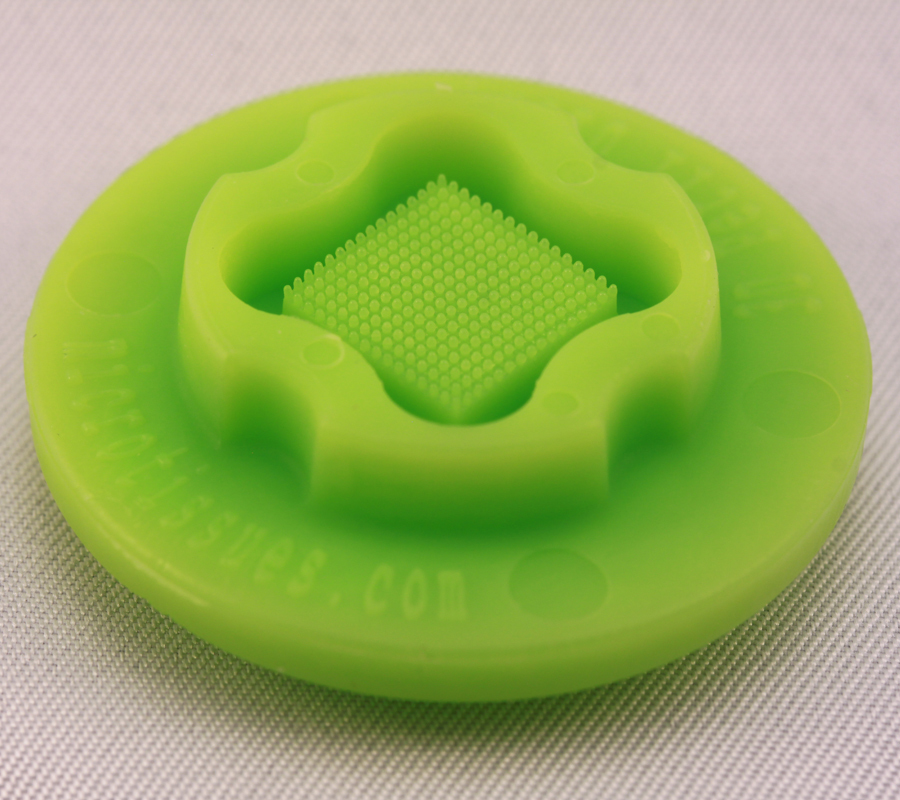
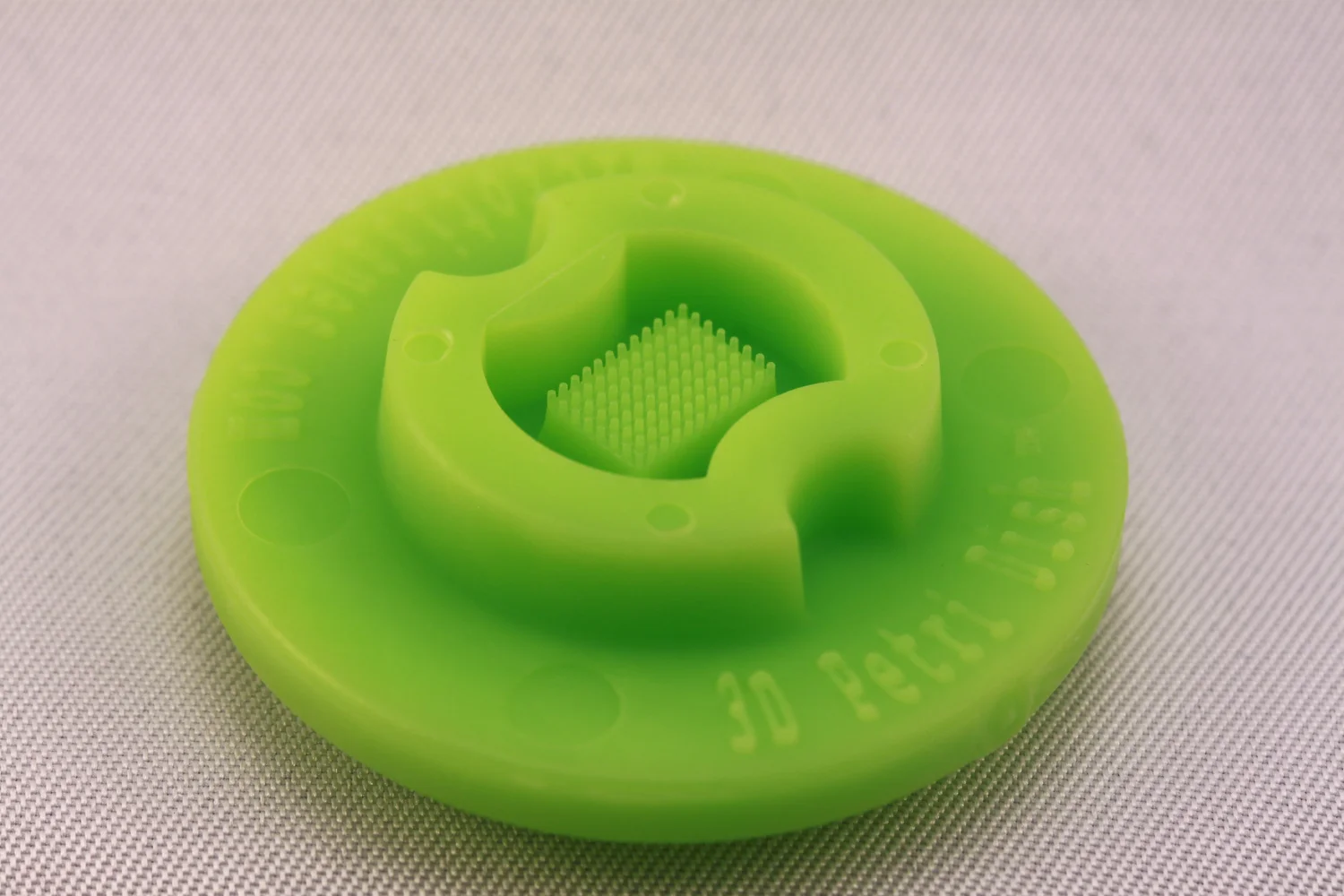
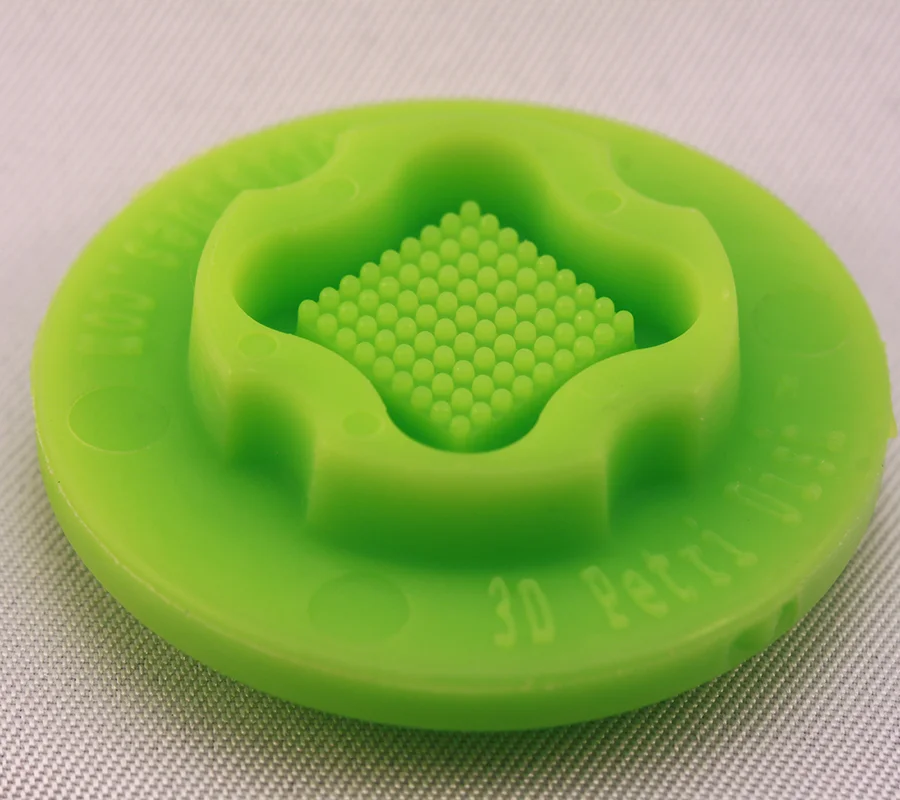
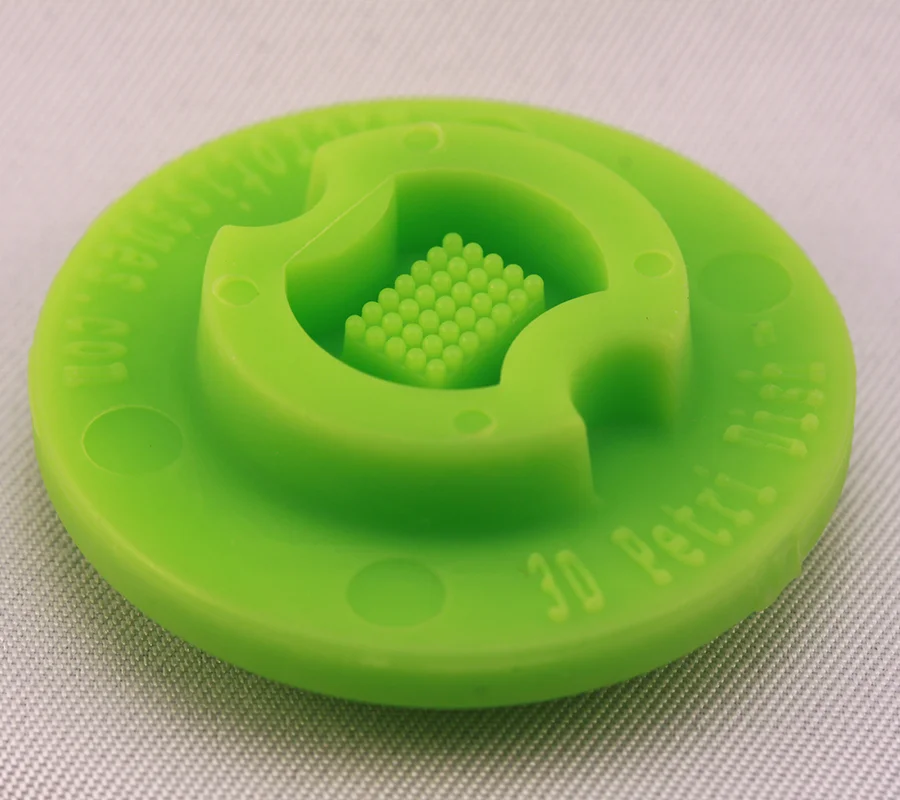
Published in Cell Transplantation (2020), this peer-reviewed study used 3D Petri Dish® micro-molds to form scaffold-free 3D microtissues. Full citation: Wassmer, Charles-Henri, et al. Engineering of Primary Pancreatic Islet Cell Spheroids for Three-dimensional Culture or Transplantation: A Methodological Comparative Study
Engineering of Primary Pancreatic Islet Cell Spheroids for Three-dimensional Culture or Transplantation: A Methodological Comparative Study
Research Overview
Engineered spheroids offer a more physiologically relevant environment than 2D culture, with uniform, size-controlled aggregates that carry organ-like microarchitecture. Because many spheroid techniques now exist, this study compared the efficiency of four methods for reaggregating dissociated rat pancreatic islet cells.
Islets were dissociated to single cells and reaggregated by (i) self-aggregation in non-adherent petri dishes, (ii) 3D hanging-drop culture, (iii) agarose microwell plates, or (iv) the Sphericalplate 5D™. The resulting spheroids were characterized to compare how each approach performs for generating islet cell spheroids.
Key Discoveries
- Head-to-head comparison of four islet cell aggregation methods
- Agarose microwell plates evaluated alongside hanging drops, non-adherent dishes, and Sphericalplate 5D
- Rat islets dissociated to single cells and reaggregated into spheroids