Summary
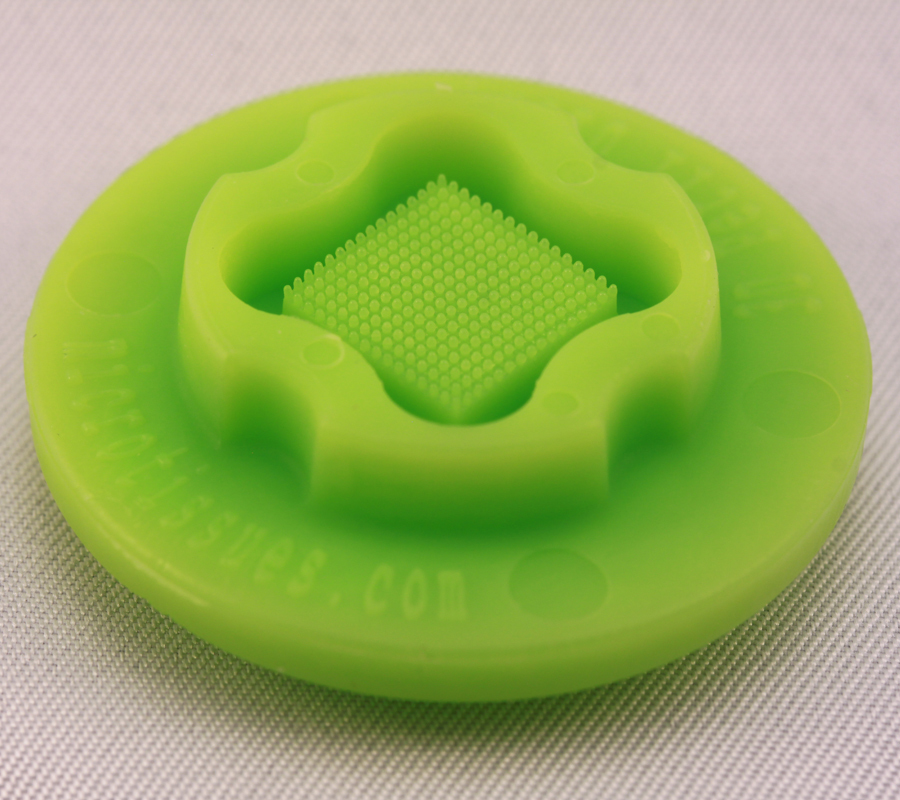
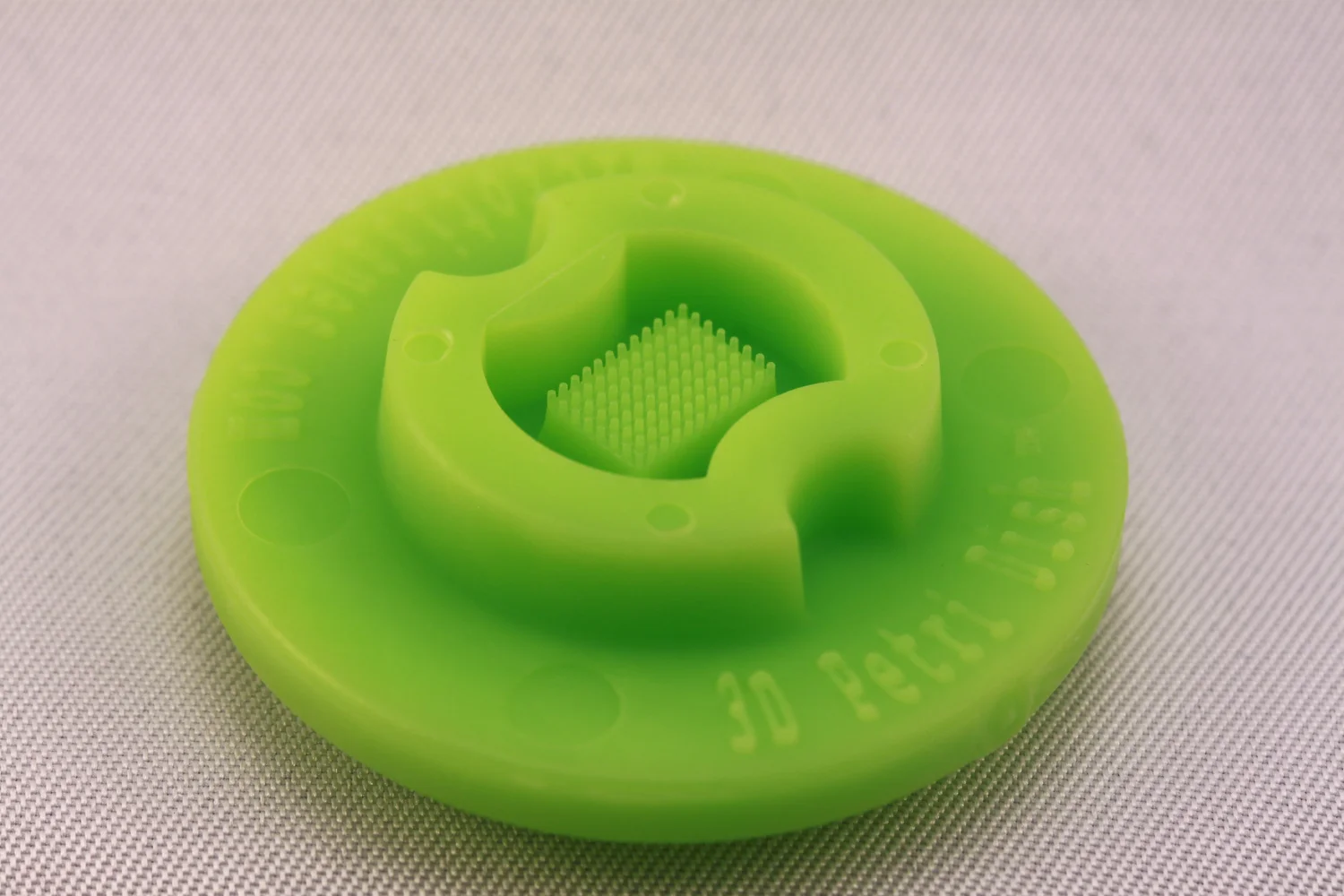
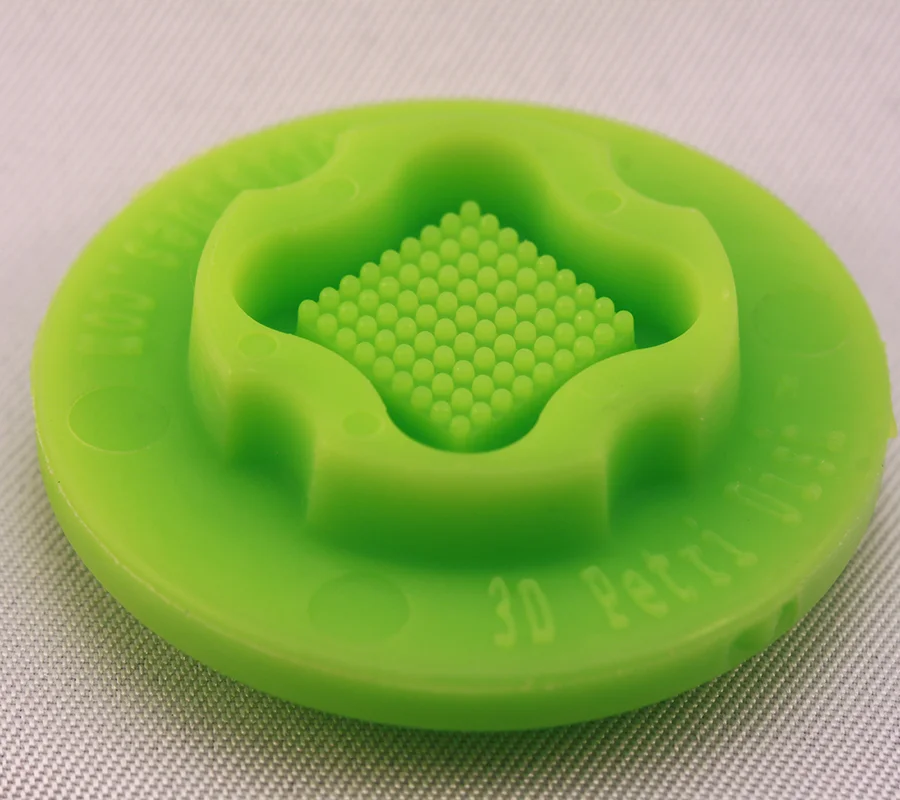
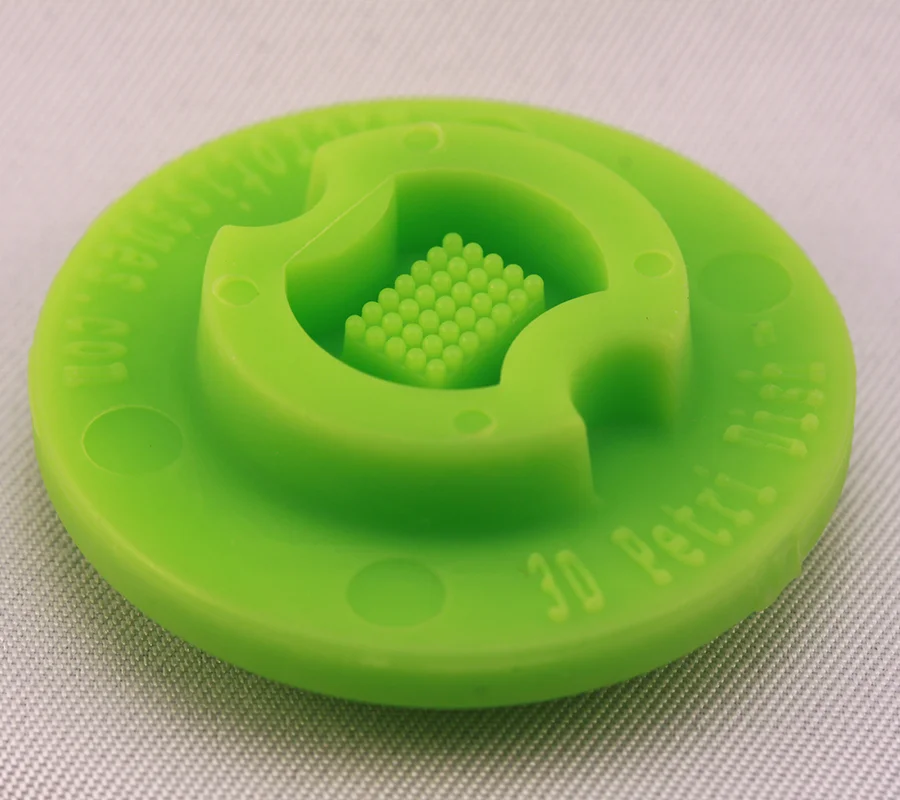
Published in Biosensors (2022), this peer-reviewed study used 3D Petri Dish® micro-molds to form scaffold-free 3D microtissues. Full citation: Wei, Chunyang, et al. Easy-to-Operate Co-Flow Step Emulsification Device for High-Throughput Three-Dimensional Cell Culture
Easy-to-Operate Co-Flow Step Emulsification Device for High-Throughput Three-Dimensional Cell Culture
Research Overview
3D culture reproduces in vivo cellular organization, heterogeneity, and cell–matrix interactions far better than monolayers, and this study packaged it into a single droplet-based microfluidic chip that integrates cell distribution, 3D culture, and in situ monitoring.
Using a co-flow step-emulsification approach, the device produced close-packed droplet arrays with an ultra-high 72% volume fraction, preventing cells from adhering to the chip surface so they grow in 3D, and making culture scalable and high-throughput. Droplet diameters were tunable from 55.29 ± 1.52 to 95.64 ± 3.35 µm.
Key Discoveries
- Single microfluidic chip integrates cell distribution, 3D culture, and in situ monitoring
- Co-flow step emulsification gave close-packed droplet arrays at 72% volume fraction
- Droplet size tunable from ~55 to ~96 µm for scalable high-throughput culture