Summary
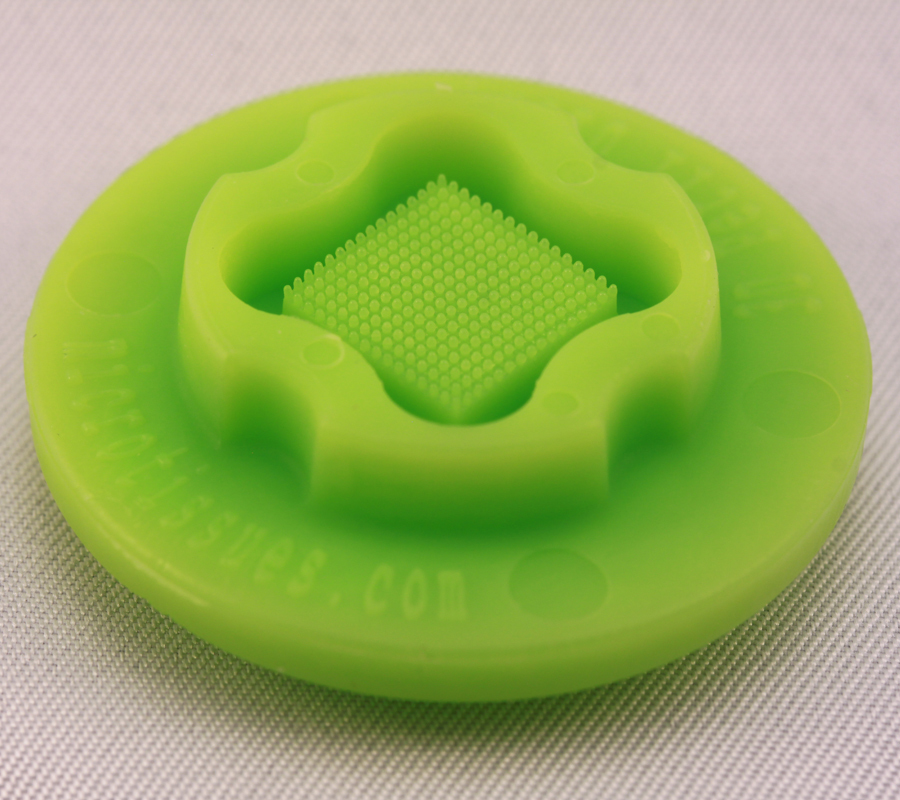
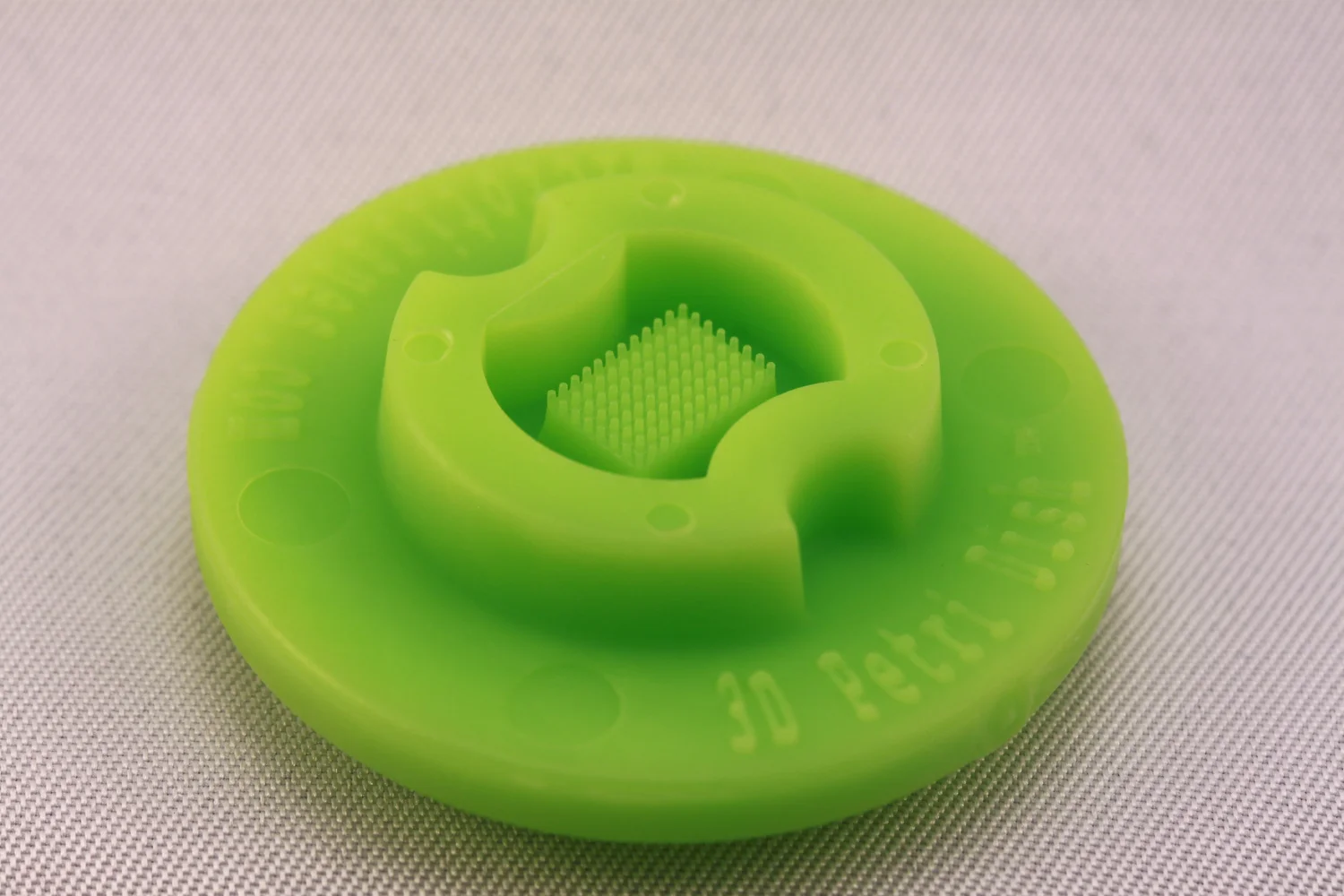
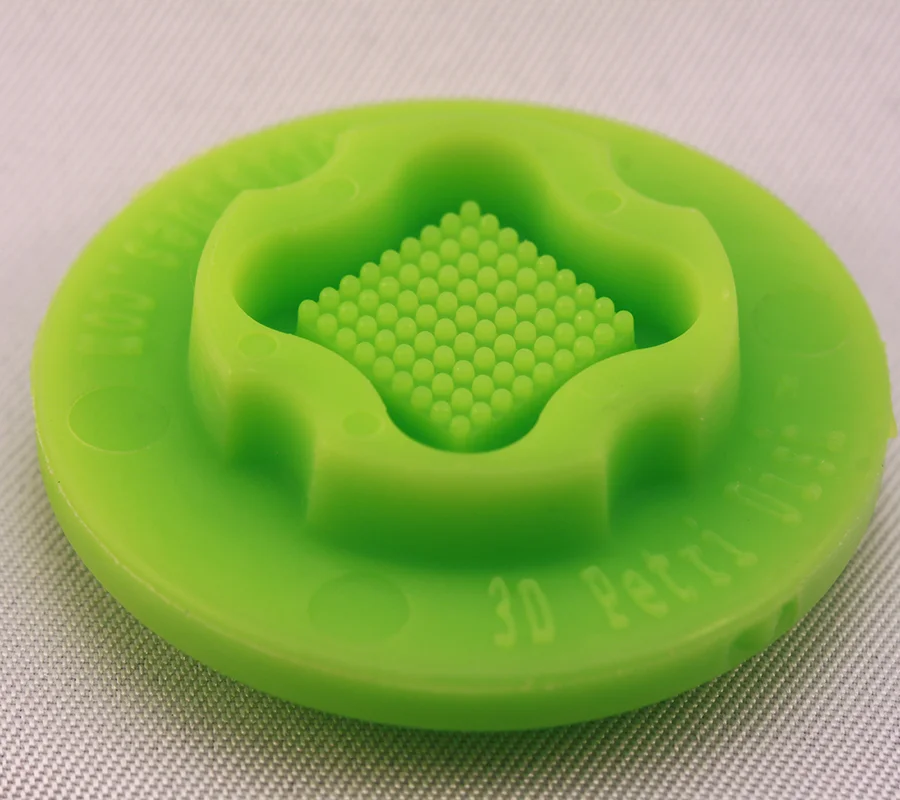
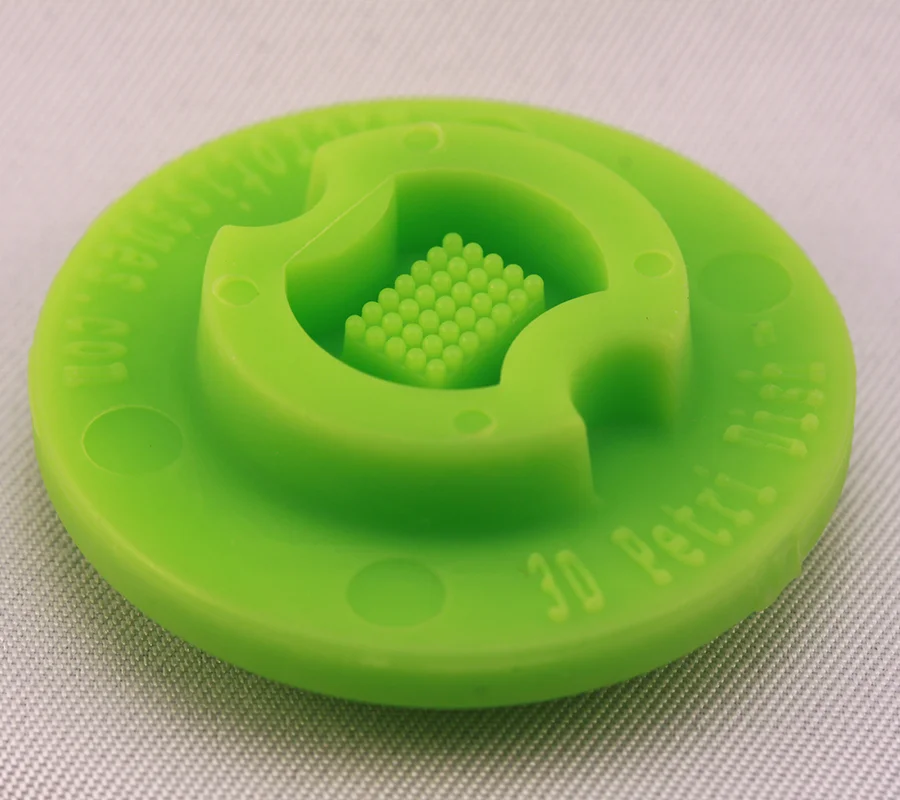
Published in npj Science of Food (2025), this peer-reviewed study used 3D Petri Dish® micro-molds to form scaffold-free 3D microtissues. Full citation: Vieira de Oliveira, Karla Pollyanna, et al. Cultured chicken meat developed by structuring cellular spheroids on an edible bacterial nanocellulose bioscaffold
Cultured chicken meat developed by structuring cellular spheroids on an edible bacterial nanocellulose bioscaffold
Research Overview
Cultured meat is a candidate sustainable protein, and structure is one of its hardest problems. This study used bacterial nanocellulose — synthesized as a hydrogel by Novacetimonas hansenii — to give cultured chicken a texture resembling conventional meat.
Chicken mesenchymal stem cells from pathogen-free eggs were grown as 2D monolayers and as 3D spheroids and introduced into the nanocellulose. Both formats kept their shape, viability, and stemness, but the 3D spheroids better replicated the natural cellular environment and showed enhanced differentiation potential. Differentiated cells grew on both modified and unmodified nanocellulose, with tissue-like organization appearing mainly on the modified hydrogel.
Key Discoveries
- Bacterial nanocellulose hydrogel from Novacetimonas hansenii provided meat-like structure
- Chicken MSC spheroids retained stemness and differentiated better than monolayers
- Tissue-like organization formed mainly on chemically modified nanocellulose