Summary
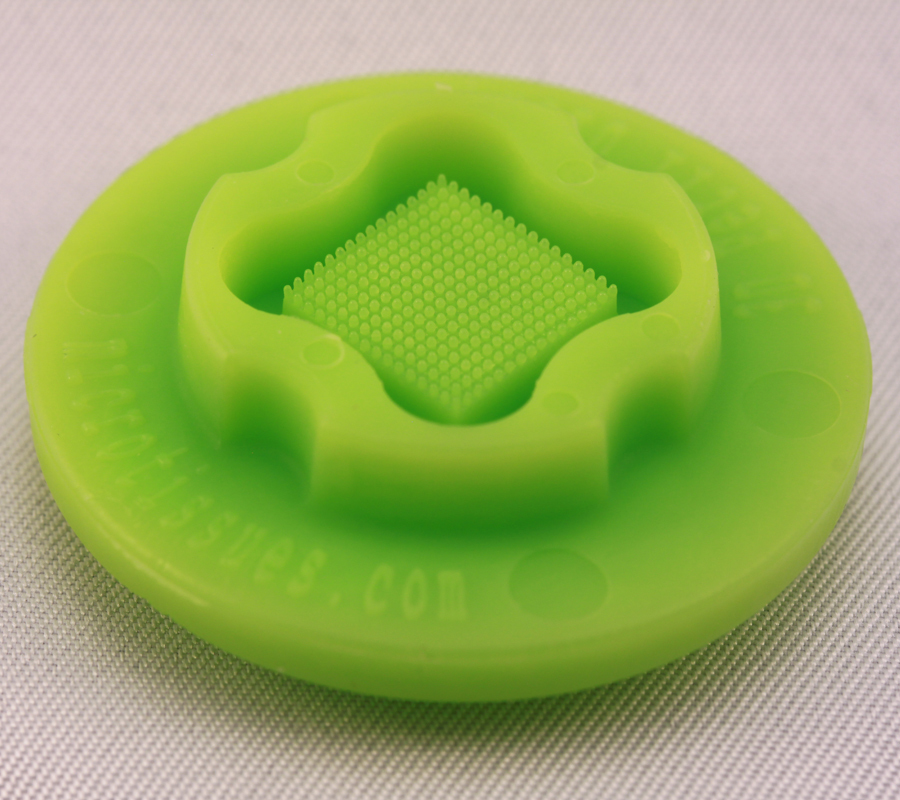
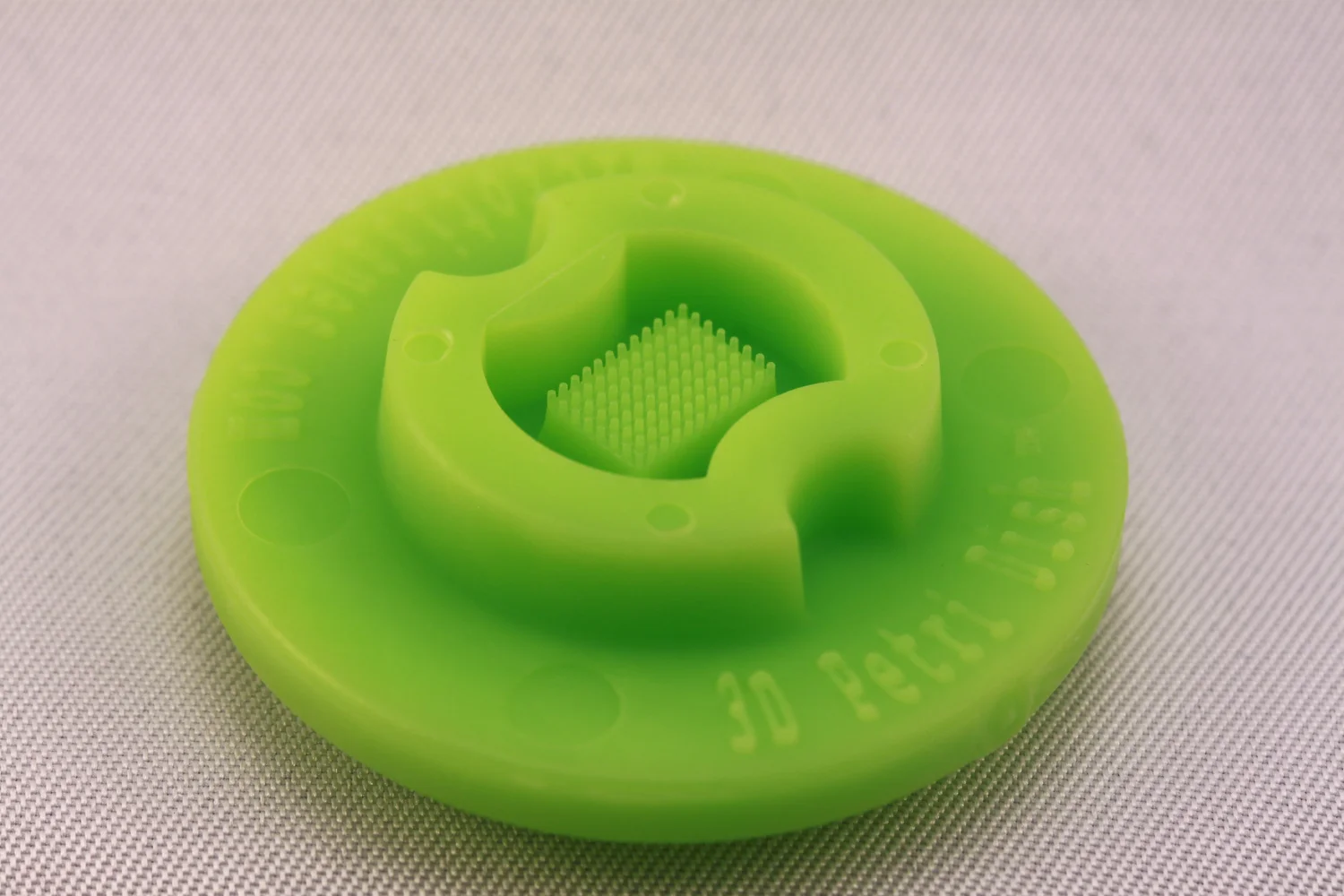
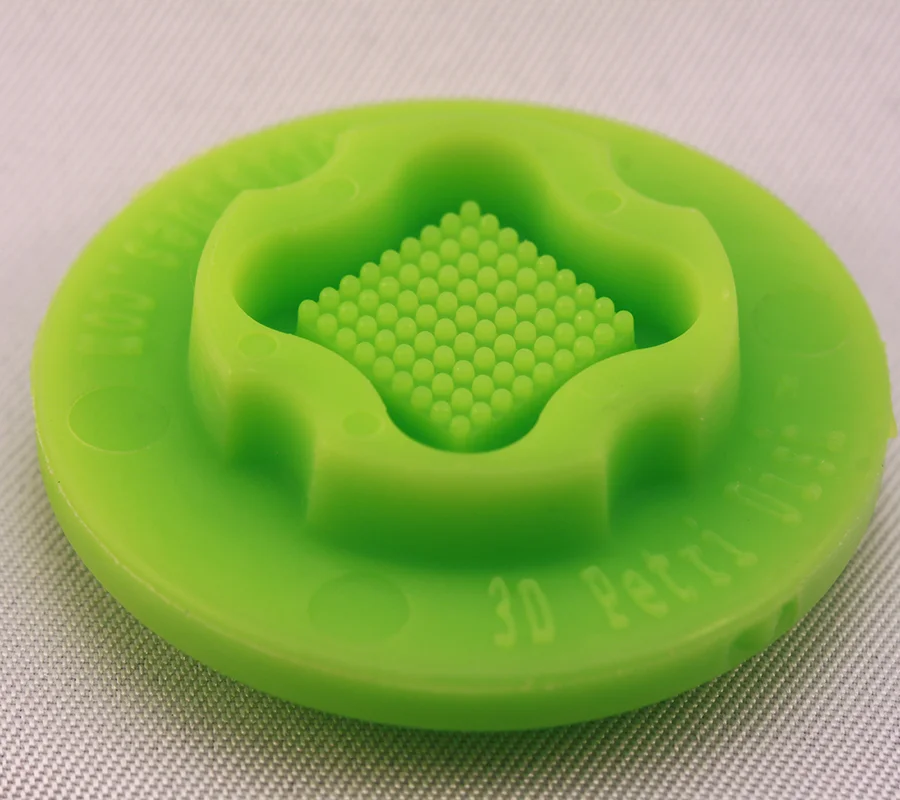
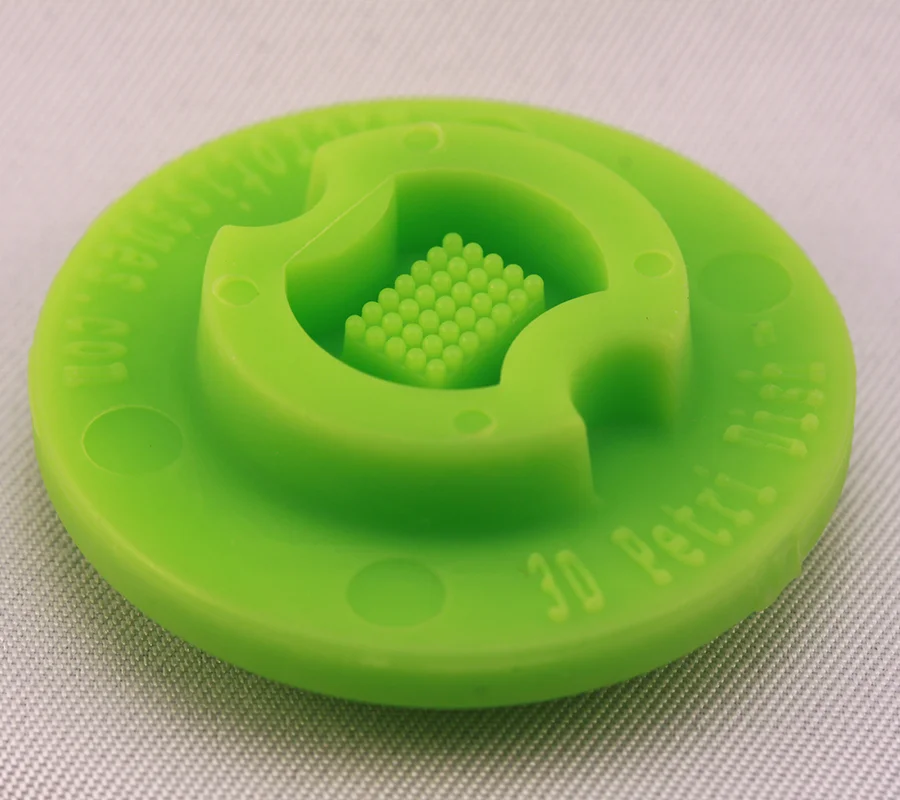
Published in International Journal of Molecular Sciences (2022), this peer-reviewed study used 3D Petri Dish® micro-molds to form scaffold-free 3D microtissues. Full citation: Qi, Xiaoli, et al. Comparison of EMT-Related and Multi-Drug Resistant Gene Expression, Extracellular Matrix Production, and Drug Sensitivity in NSCLC Spheroids Generated by Scaffold-Free and Scaffold-Based Methods
Comparison of EMT-Related and Multi-Drug Resistant Gene Expression, Extracellular Matrix Production, and Drug Sensitivity in NSCLC Spheroids Generated by Scaffold-Free and Scaffold-Based Methods
Research Overview
Spheroids are widely used to test drugs and personalize therapy because they reproduce the tumor microenvironment better than monolayers — but they can be made by scaffold-free or scaffold-based methods, and how much spheroid properties depend on that choice was unclear.
This study ran a head-to-head comparison of drug sensitivity and molecular expression profile in scaffold-free versus scaffold-based spheroids alongside 2D monolayer culture, using non-small cell lung cancer spheroids from the A549 adenocarcinoma line and testing sensitivity to five drugs — isolating fabrication method as a variable in its own right.
Key Discoveries
- Scaffold-free and scaffold-based A549 spheroids compared head-to-head against 2D monolayers
- Drug sensitivity tested across five compounds in all three formats
- Molecular expression profiles compared to determine how far fabrication method shapes spheroid biology