Summary
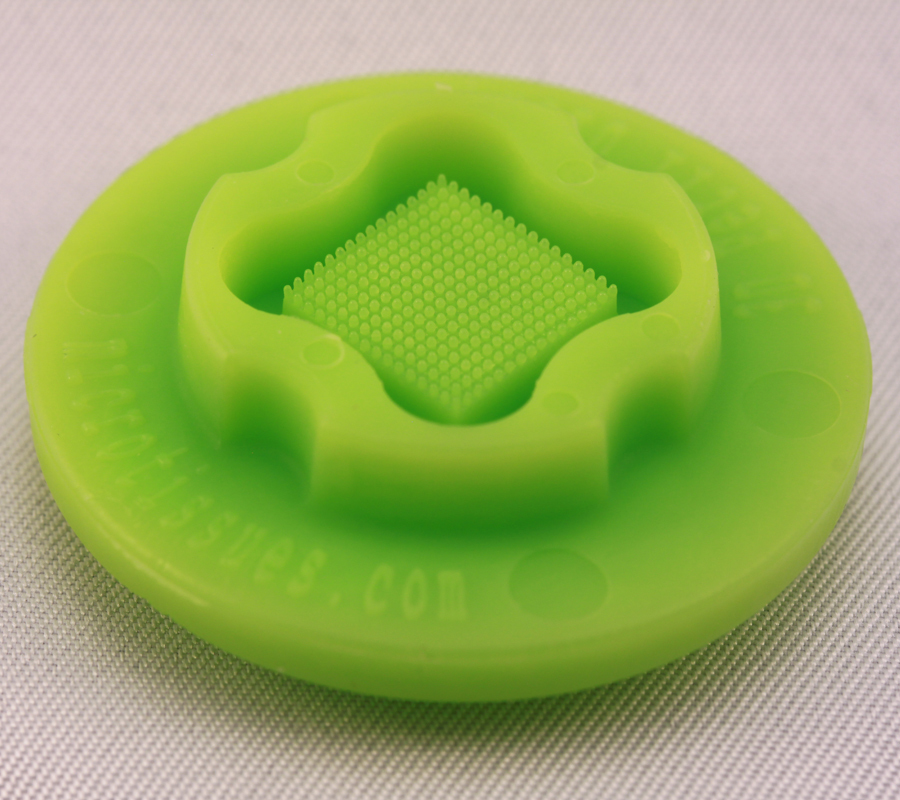
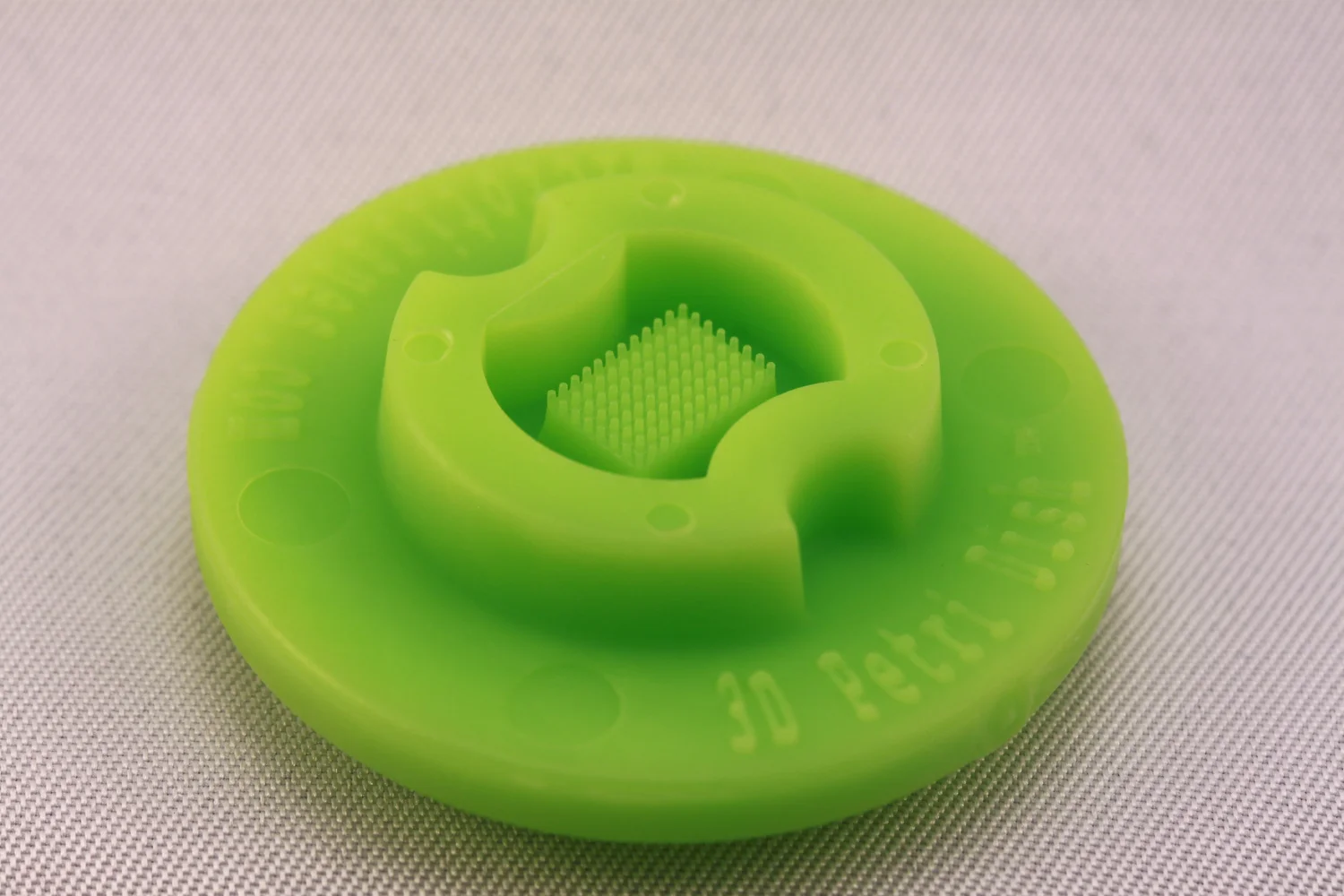
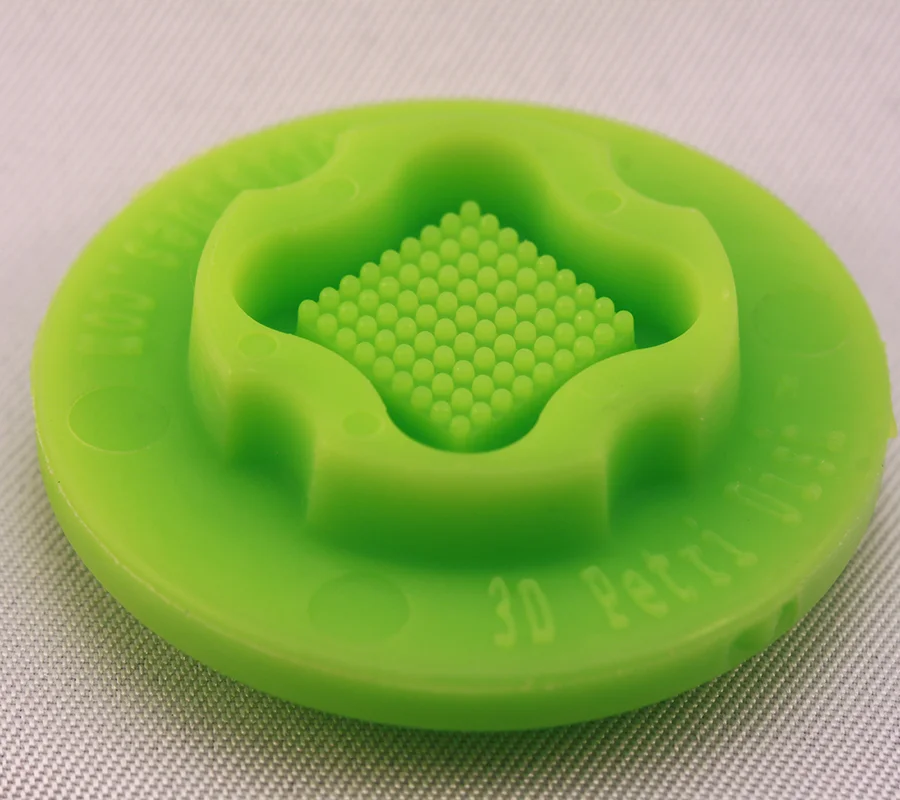
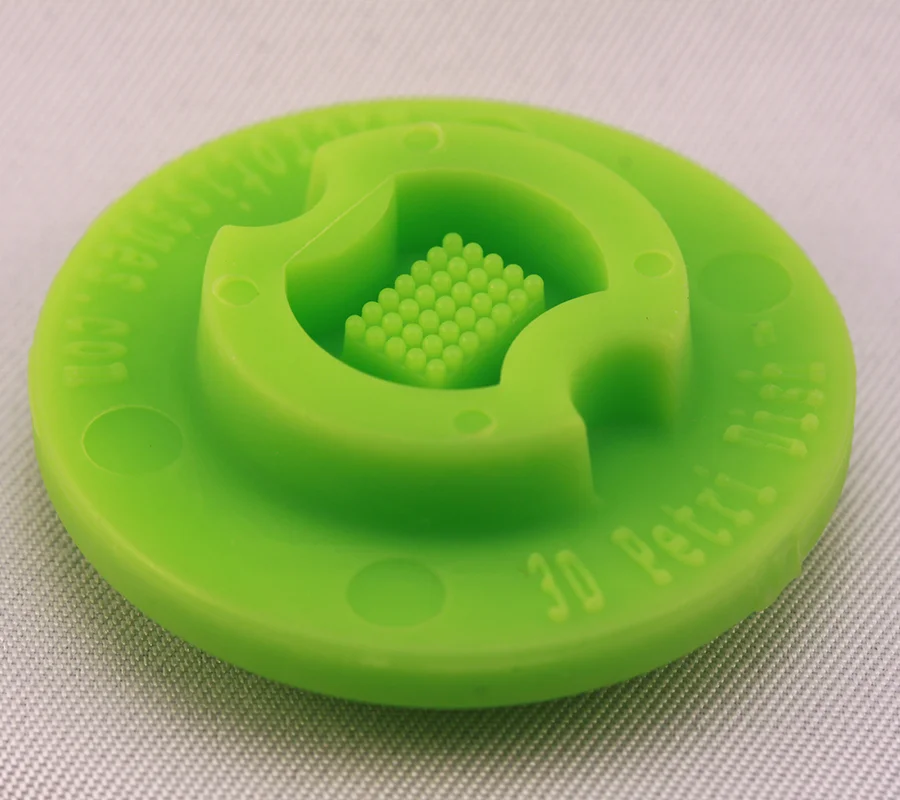
Published in Polymers (2020), this peer-reviewed study used 3D Petri Dish® micro-molds to form scaffold-free 3D microtissues. Full citation: Hou, Kai-Ting, et al. Cartilage Tissue-Mimetic Pellets with Multifunctional Magnetic Hyaluronic Acid-Graft-Amphiphilic Gelatin Microcapsules for Chondrogenic Stimulation
Cartilage Tissue-Mimetic Pellets with Multifunctional Magnetic Hyaluronic Acid-Graft-Amphiphilic Gelatin Microcapsules for Chondrogenic Stimulation
Research Overview
Articular cartilage defects are common consequences of sustained mechanical stress, and because cartilage is avascular its capacity for self-repair is limited. This study proposed tissue-mimetic pellets made of chondrocytes and hyaluronic acid-graft-amphiphilic gelatin microcapsules (HA-AGMCs) to serve as a biomimetic chondrocyte extracellular matrix environment.
The multifunctional HA-AGMCs target CD44 receptors, provided excellent structural stability, and maintained high cell viability even at the center of pellets after 14 days in culture. With superparamagnetic iron oxide nanoparticles built into the microcapsule shell, the microcapsules also guided cells and delivered two physical stimuli — a static magnetic field and magnet-derived shear stress.
Key Discoveries
- Chondrocyte pellets built around CD44-targeting hyaluronic acid-gelatin microcapsules
- High viability retained at the pellet center after 14 days
- SPIO-loaded microcapsule shells enabled magnetic cell guidance plus static-field and shear-stress stimulation