Summary
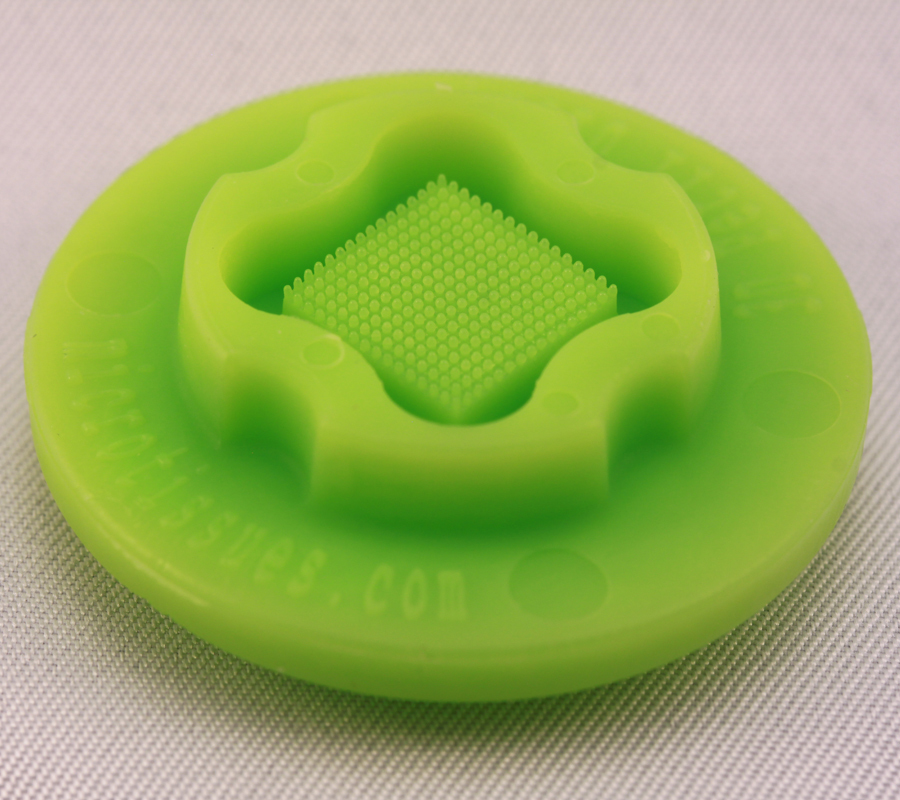
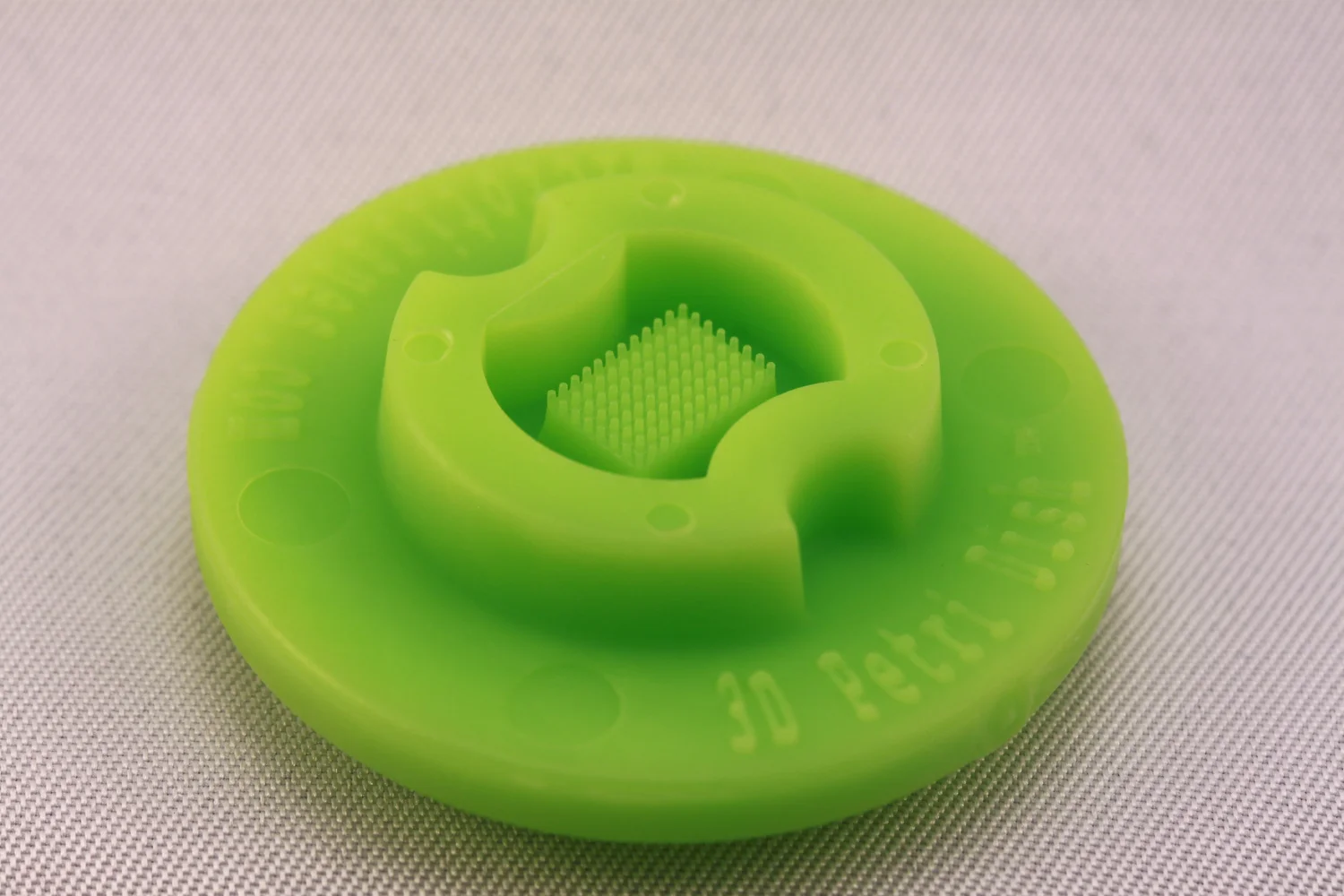
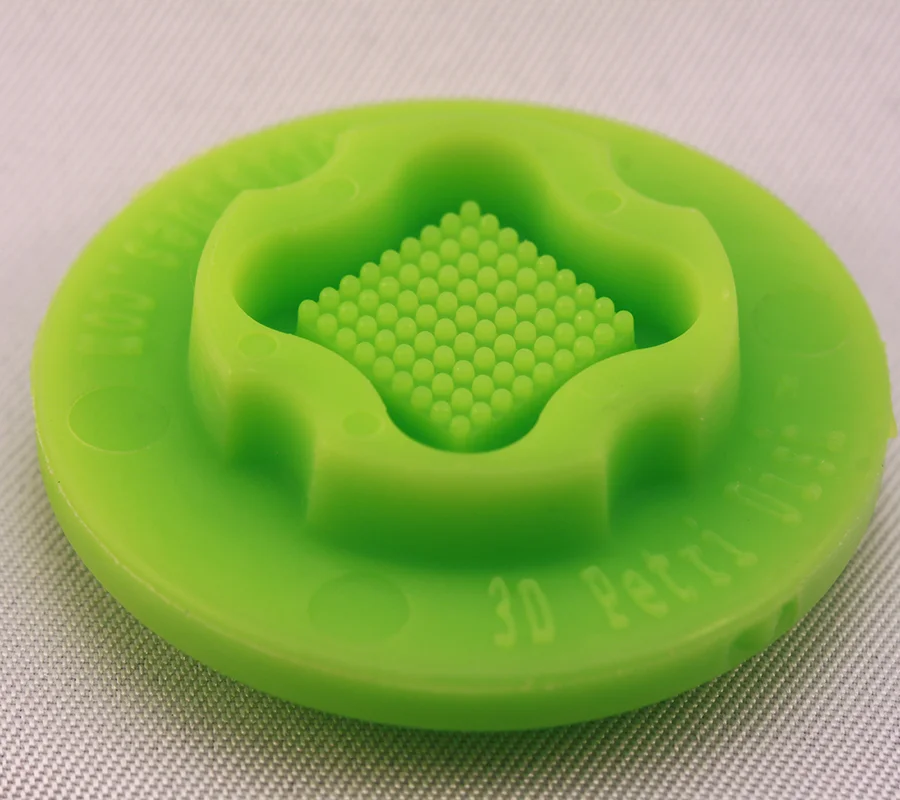
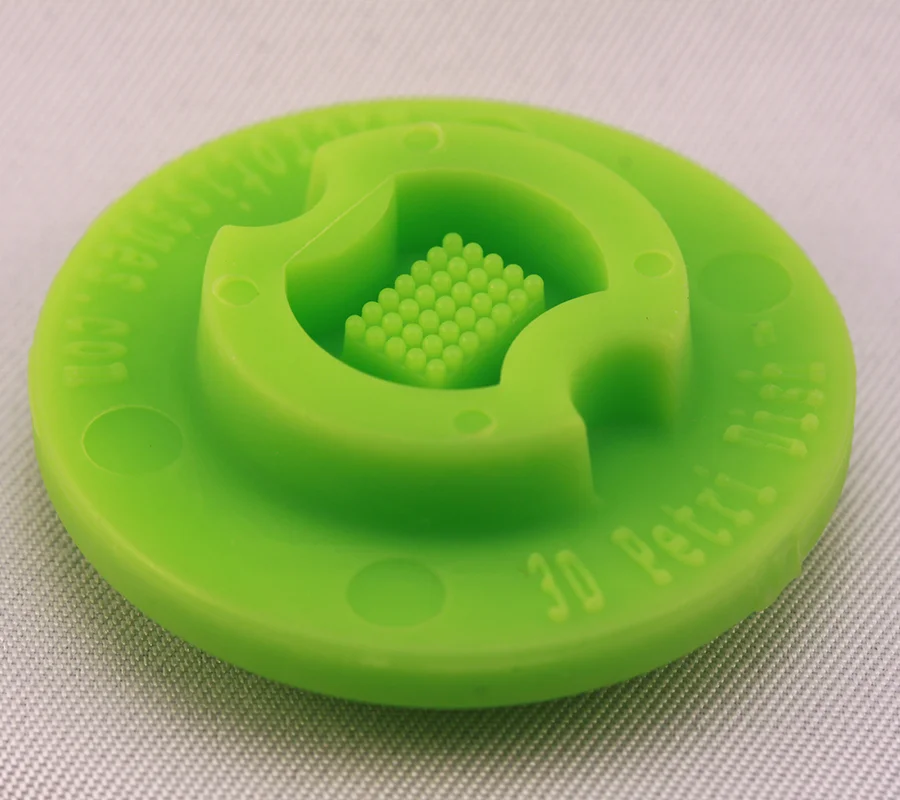
Published in Bioengineering & Translational Medicine (2025), this publication cites the 3D Petri Dish® micro-mold system rather than reporting its own experimental use of it. Full citation: Yücer, Seydanur, et al. Bioprinting revolution: Innovative design of 3D bioactive scaffolds for living organs and transdermal tissues
Bioprinting revolution: Innovative design of 3D bioactive scaffolds for living organs and transdermal tissues
Research Overview
Bioprinting has opened new possibilities for designing and fabricating 3D bioactive scaffolds for living organs and transdermal tissues, assembling biomaterials and living cells precisely enough to mimic the complexity of natural tissue. Advances in the field have enabled personalized scaffolds for tissue regeneration, wound healing, and transdermal drug delivery.
This review surveys cutting-edge innovations in bioactive scaffold design and their potential to replicate functional organ structures and support transdermal therapy. It weighs the field’s persistent challenges — achieving vascularization and mechanical integrity — against emerging solutions and the path toward clinical translation.
Key Discoveries
- Reviews bioprinted bioactive scaffolds for organ and transdermal tissue applications
- Highlights personalized scaffolds for regeneration, wound healing, and transdermal drug delivery
- Identifies vascularization and mechanical integrity as the central unsolved challenges