Summary
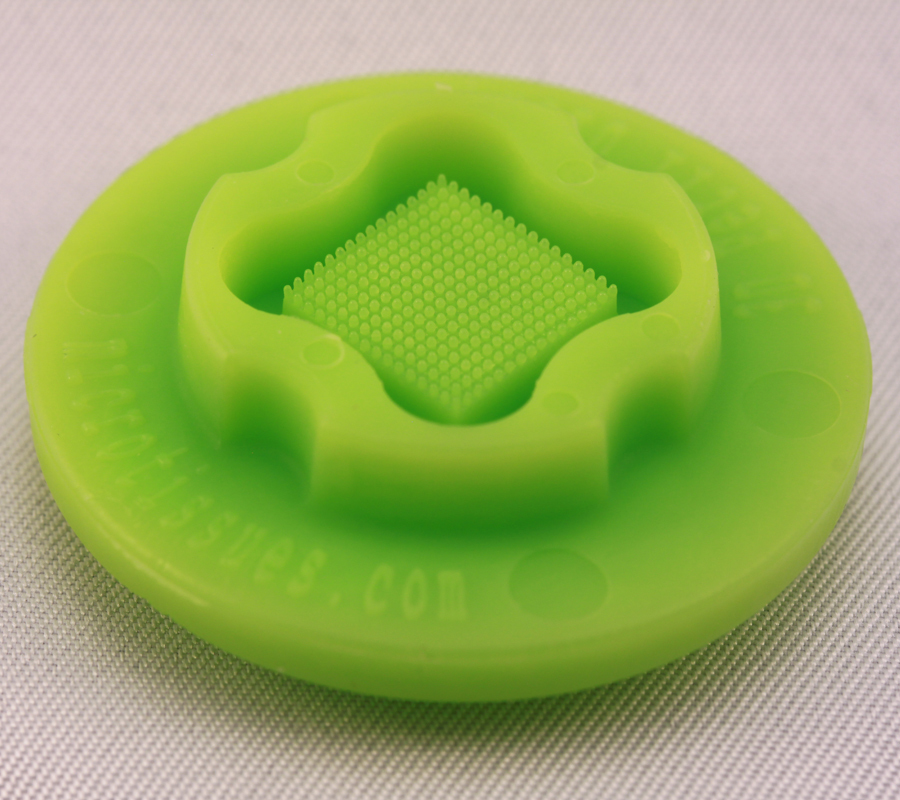
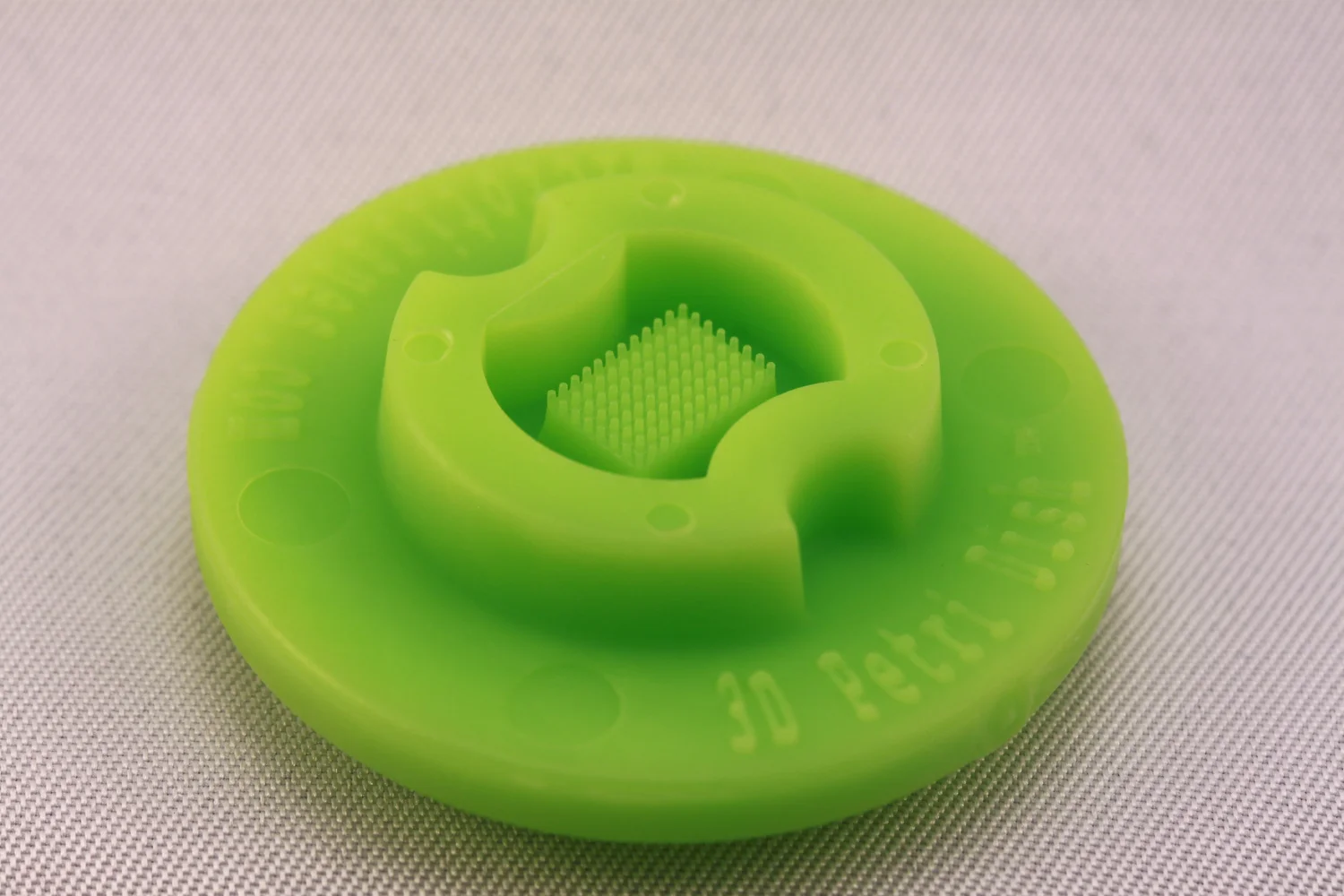
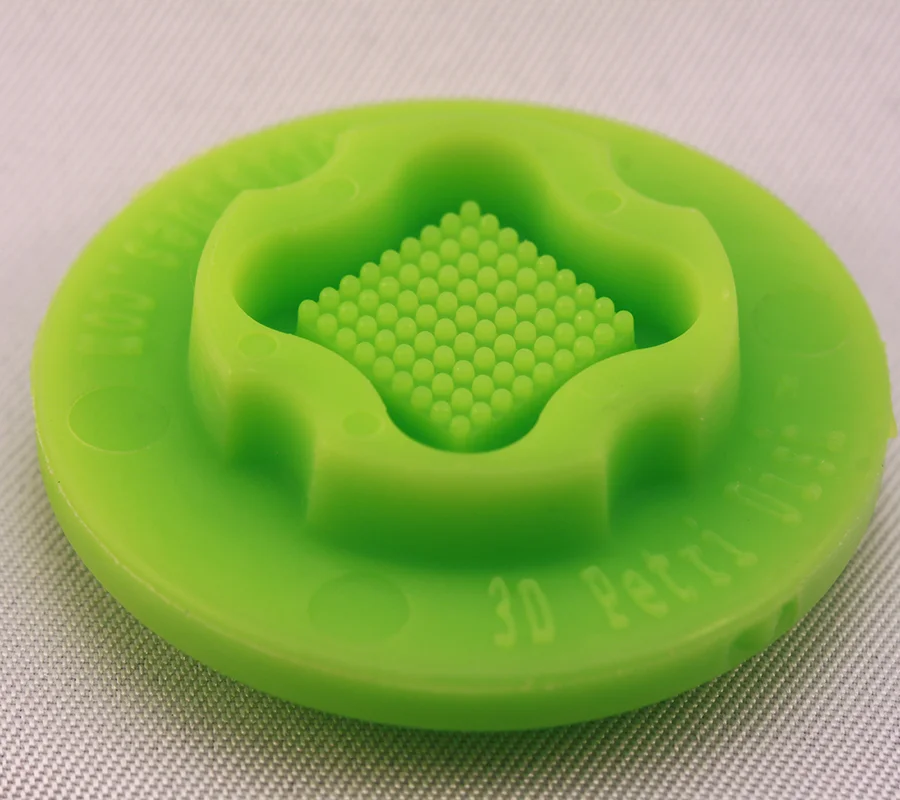
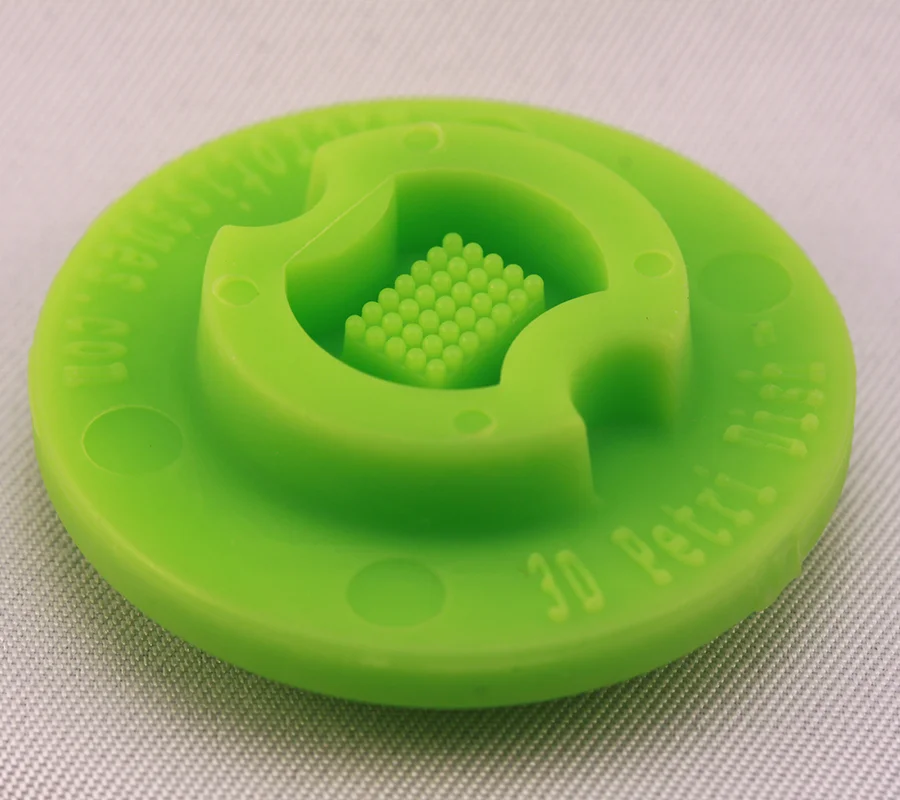
Published in Human Reproduction Update (2022), this publication cites the 3D Petri Dish® micro-mold system rather than reporting its own experimental use of it. Full citation: Francés-Herrero, Emilio, et al. Bioengineering trends in female reproduction: a systematic review
Bioengineering trends in female reproduction: a systematic review
Research Overview
The female reproductive system coordinates uterine dynamics with ovarian hormones to support implantation and fetal development, with the fallopian tubes carrying the zygote, the cervix protecting the fetus, and the vagina serving as birth canal. Pathology in any of these organs can compromise fertility, so modeling them accurately — or restoring their function — matters for translational research.
This systematic review addresses the obstacles: innate differences between human and animal reproductive tracts, and the static nature of 2D cell and tissue culture. It surveys bioengineering approaches across the reproductive organs and the trends shaping the field.
Key Discoveries
- Systematic review of bioengineering approaches across the female reproductive tract
- Addresses the poor translation of animal reproductive models to humans
- Covers the limits of static 2D culture for modeling dynamic reproductive processes