Summary
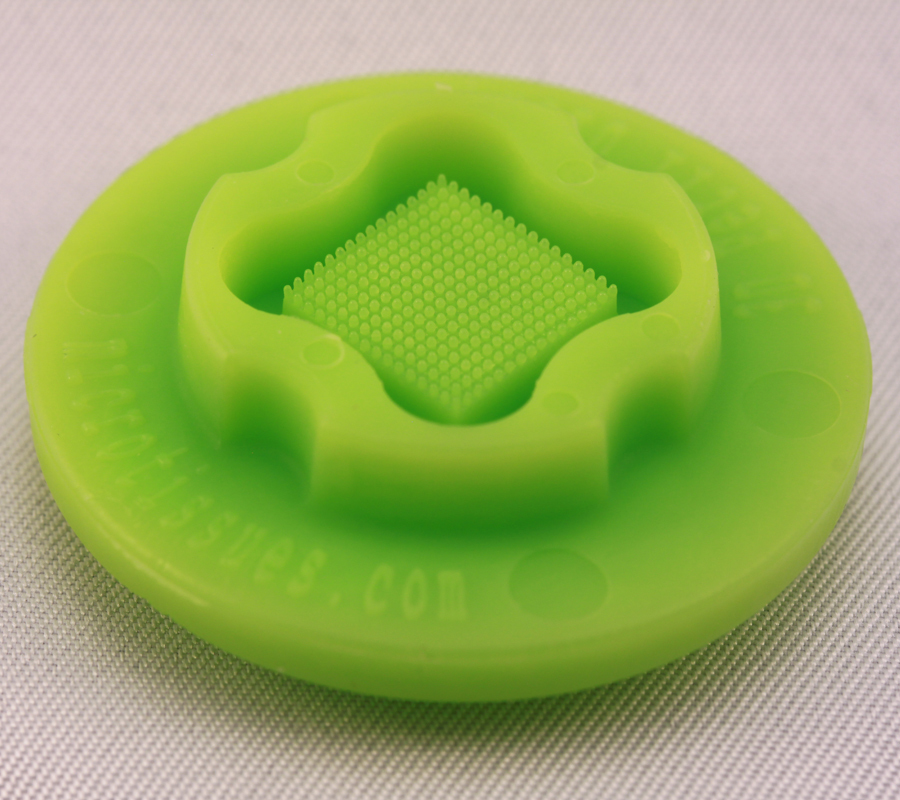
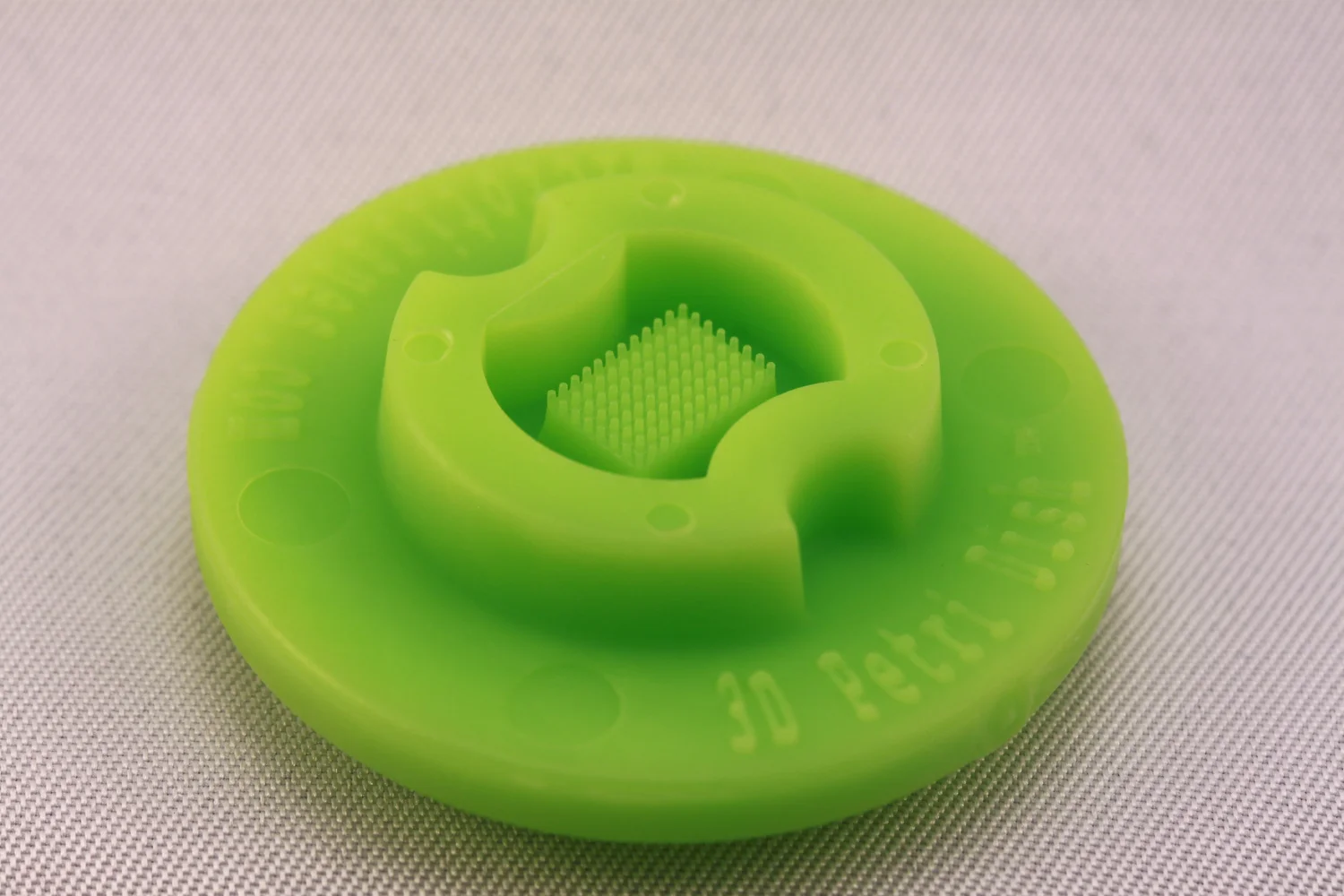
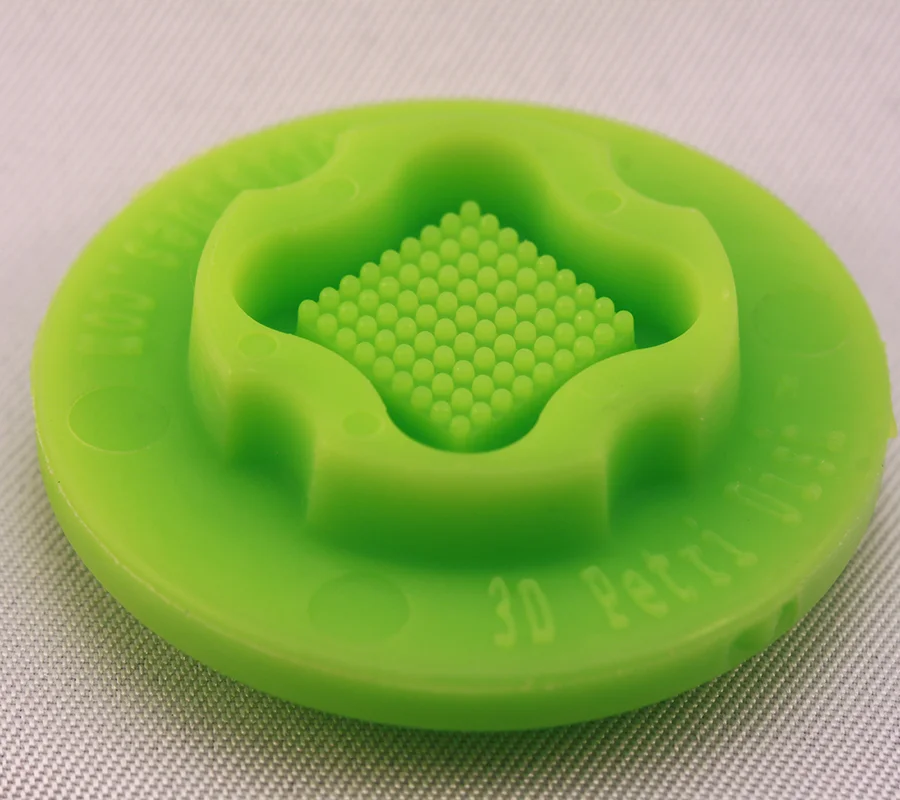
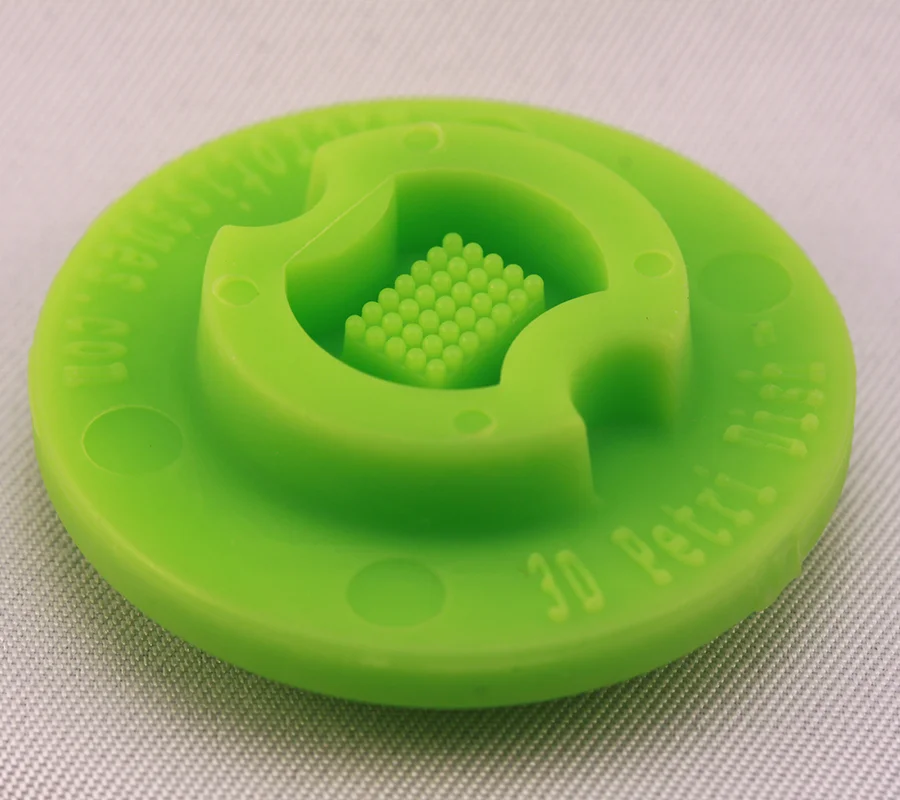
Published in Journal of Pharmacy And Bioallied Sciences (2015), this publication cites the 3D Petri Dish® micro-mold system rather than reporting its own experimental use of it. Full citation: Jain, Aditya, et al. Applications of regenerative medicine in organ transplantation
Applications of regenerative medicine in organ transplantation
Research Overview
A worldwide shortage of organs for clinical transplantation creates a pressing need to bring forward and test new technologies. Regenerative medicine holds the potential to augment organ function, repair damaged organs, or regenerate deteriorated organs and tissues, and researchers are exploring how the two fields — regenerative medicine and organ transplantation — can benefit each other.
This review discusses the strategies being implemented to regenerate or bio-engineer human organs for clinical use and highlights the limitations that regenerative medicine must still address. It draws on a MEDLINE search using the keywords “regenerative medicine,” “tissue-engineering,” “bio-engineered organs,” “decellularized scaffold,” and “three-dimensional printing,” screening about 170 articles.
Key Discoveries
- Reviews strategies for regenerating or bio-engineering human organs for transplantation
- Frames regenerative medicine as a response to the global donor organ shortage
- Based on a MEDLINE screen of ~170 articles across tissue engineering, decellularized scaffolds, and 3D printing