Summary
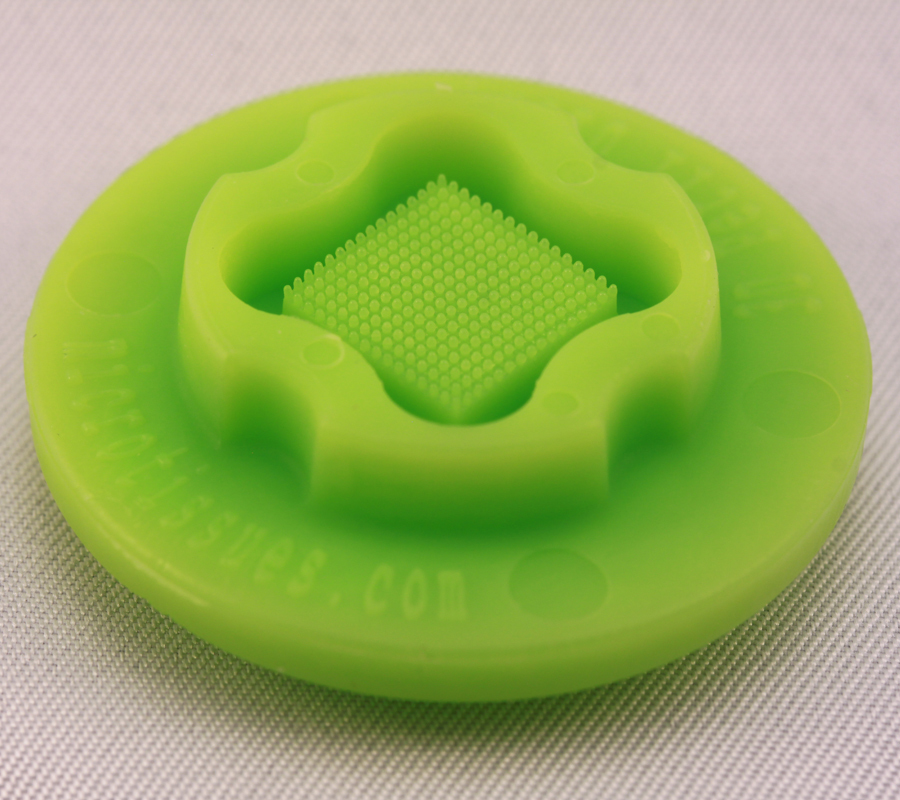
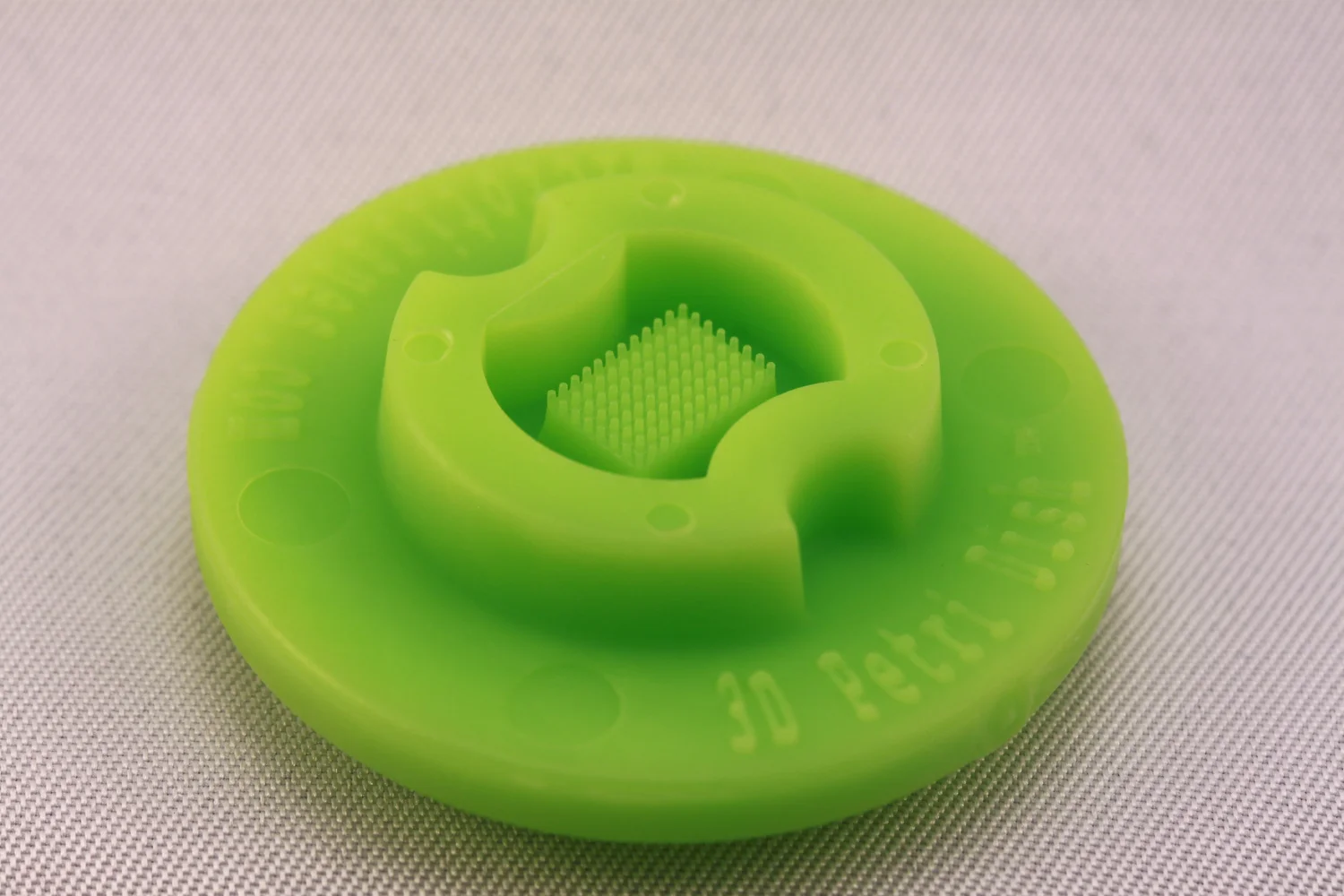
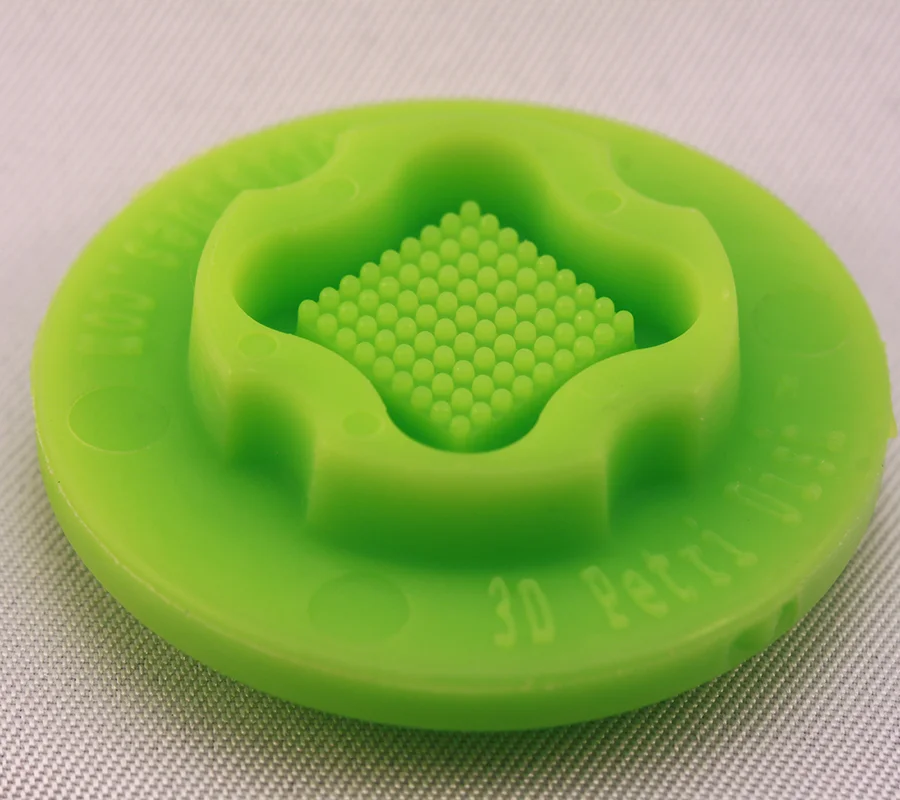
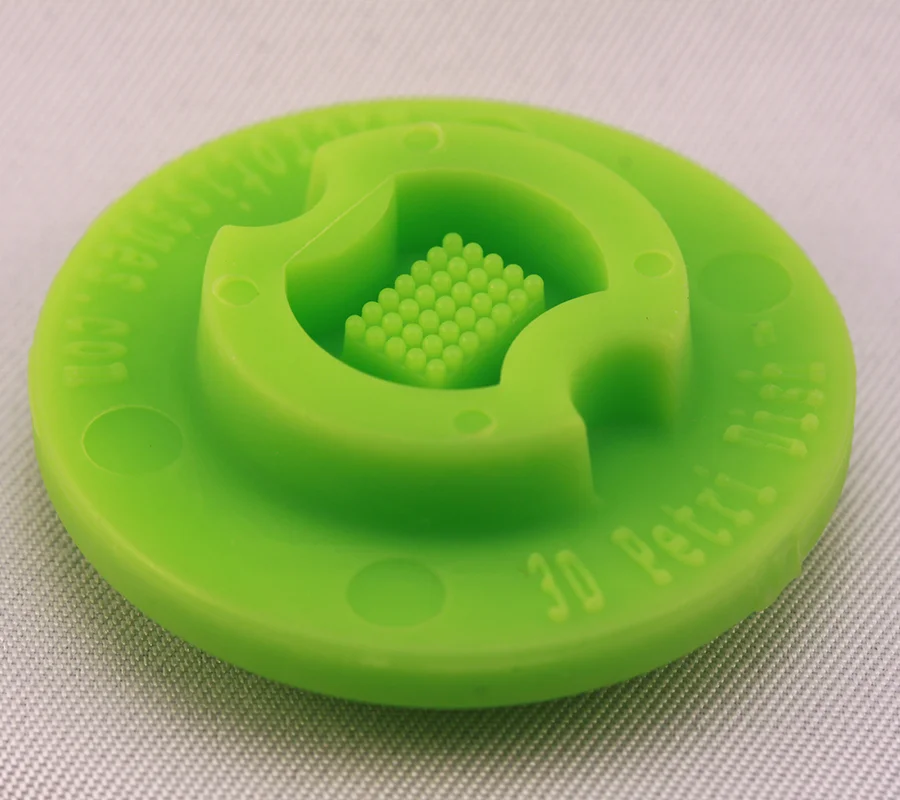
Published in Toxicology in Vitro (2019), this peer-reviewed study used 3D Petri Dish® micro-molds to form scaffold-free 3D microtissues. Full citation: Messner, Catherine Jane, et al. Bile salts regulate CYP7A1 expression and elicit a fibrotic response and abnormal lipid production in 3D liver microtissues
Bile salts regulate CYP7A1 expression and elicit a fibrotic response and abnormal lipid production in 3D liver microtissues
Research Overview
Disrupted regulation and accumulation of bile salts in the liver contribute to progressive damage and fibrosis. This study investigated their role in cholestatic injury using 3D scaffold-free multicellular human liver microtissues built from HepaRG, THP-1, and hTERT-HSC cells.
That model reproduces the cellular events leading to fibrosis — hepatocellular injury, inflammation, and stellate cell activation culminating in extracellular matrix deposition. To distinguish each cell type’s contribution during cholestasis, the authors examined bile salt effects on CYP7A1 expression and the resulting fibrotic response.
Key Discoveries
- Tri-culture liver microtissues reproduced injury, inflammation, and stellate activation of fibrosis
- Bile salt regulation of CYP7A1 expression examined in a human 3D system
- Model allowed contributions of individual cell types during cholestasis to be separated