Summary
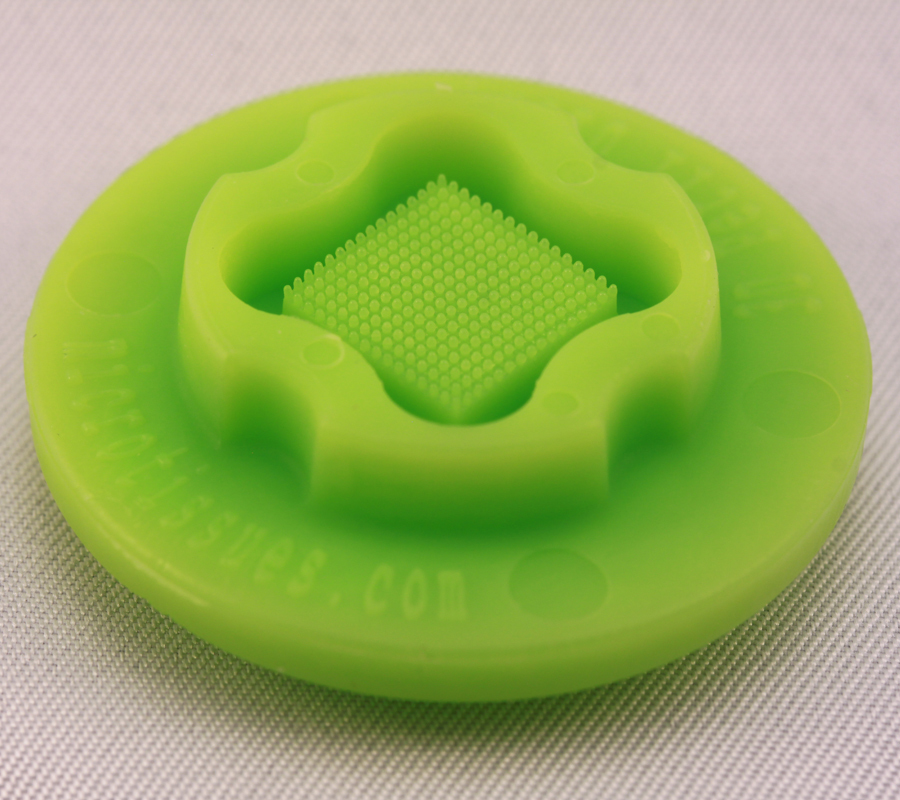
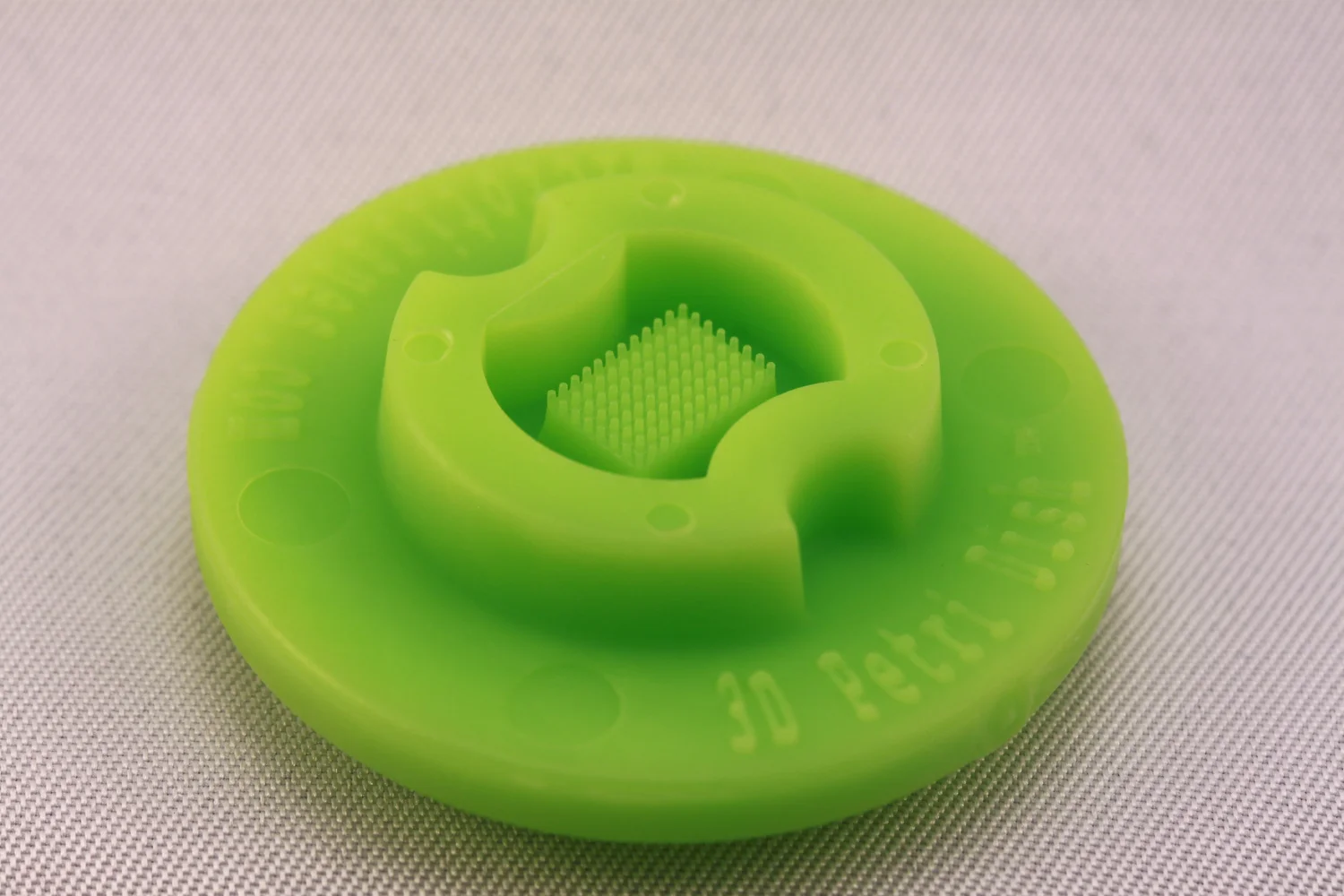
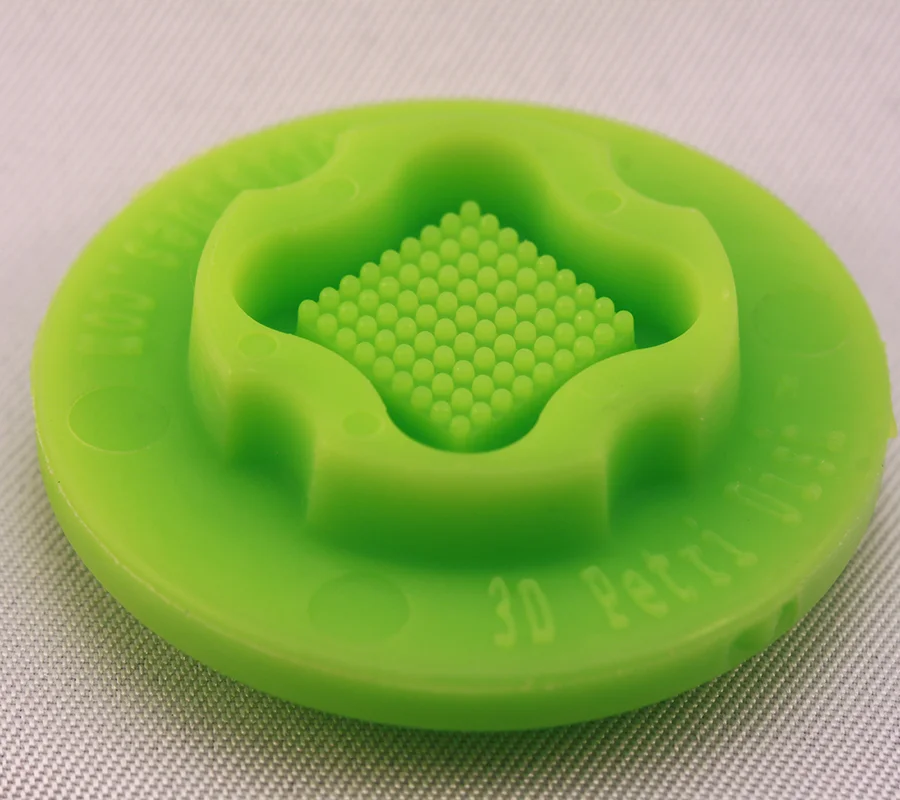
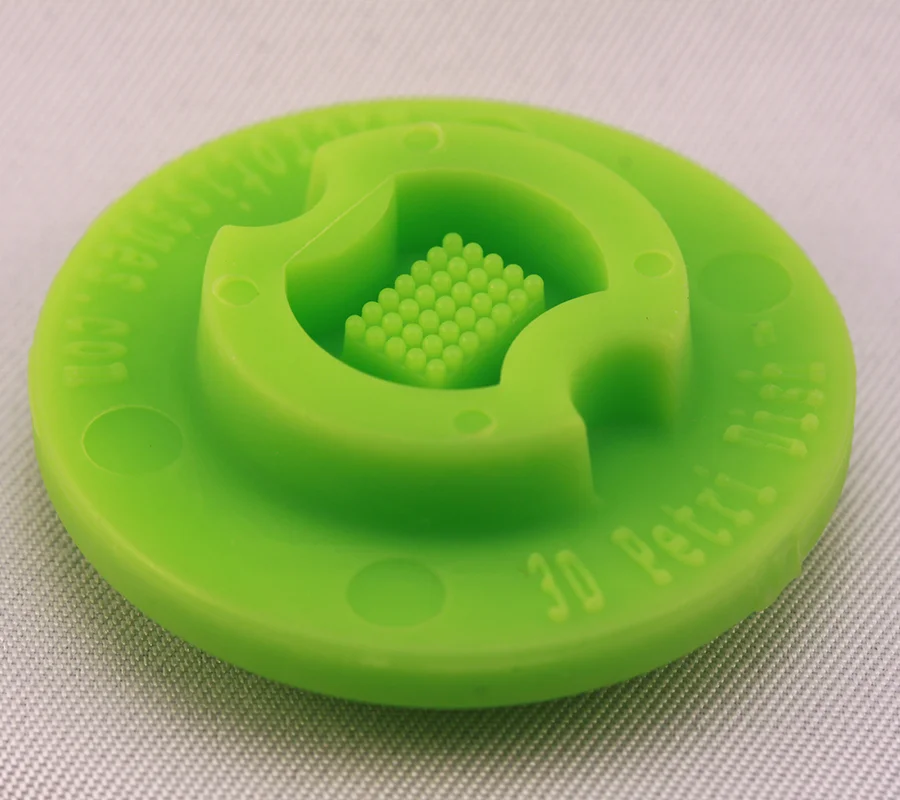
Published in Annals of Biomedical Engineering (2014), this peer-reviewed study used 3D Petri Dish® micro-molds to form scaffold-free 3D microtissues. Full citation: Czajka, Caitlin A., et al. Scaffold-Free Tissue Engineering: Organization of the Tissue Cytoskeleton and Its Effects on Tissue Shape
Scaffold-Free Tissue Engineering: Organization of the Tissue Cytoskeleton and Its Effects on Tissue Shape
Research Overview
This work characterized tissues formed in scaffold-free, non-adherent systems and tested their usefulness for modular tissue engineering. Immunofluorescence revealed that all such tissues organize cortical cytoskeletons that appear to be under tension.
That tension also showed itself when spheroid modules were fused into larger tissues: real-time analysis of spheroid fusion in unconstrained systems showed modular motion consistent with shifting tensions, driven by the disassembly and reassembly of cortical cytoskeletons that modular fusion requires.
Key Discoveries
- Scaffold-free tissues organize cortical cytoskeletons that remain under tension
- Real-time fusion analysis revealed modular motion driven by tension changes
- Cortical cytoskeleton disassembly and reassembly identified as the mechanism of module fusion