Summary
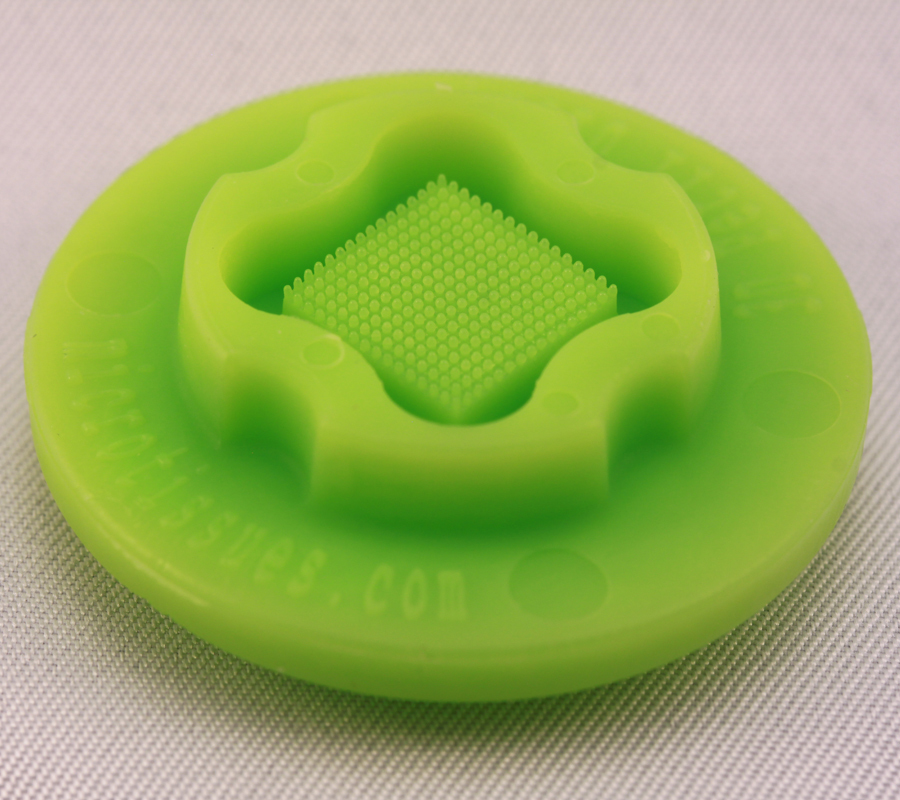
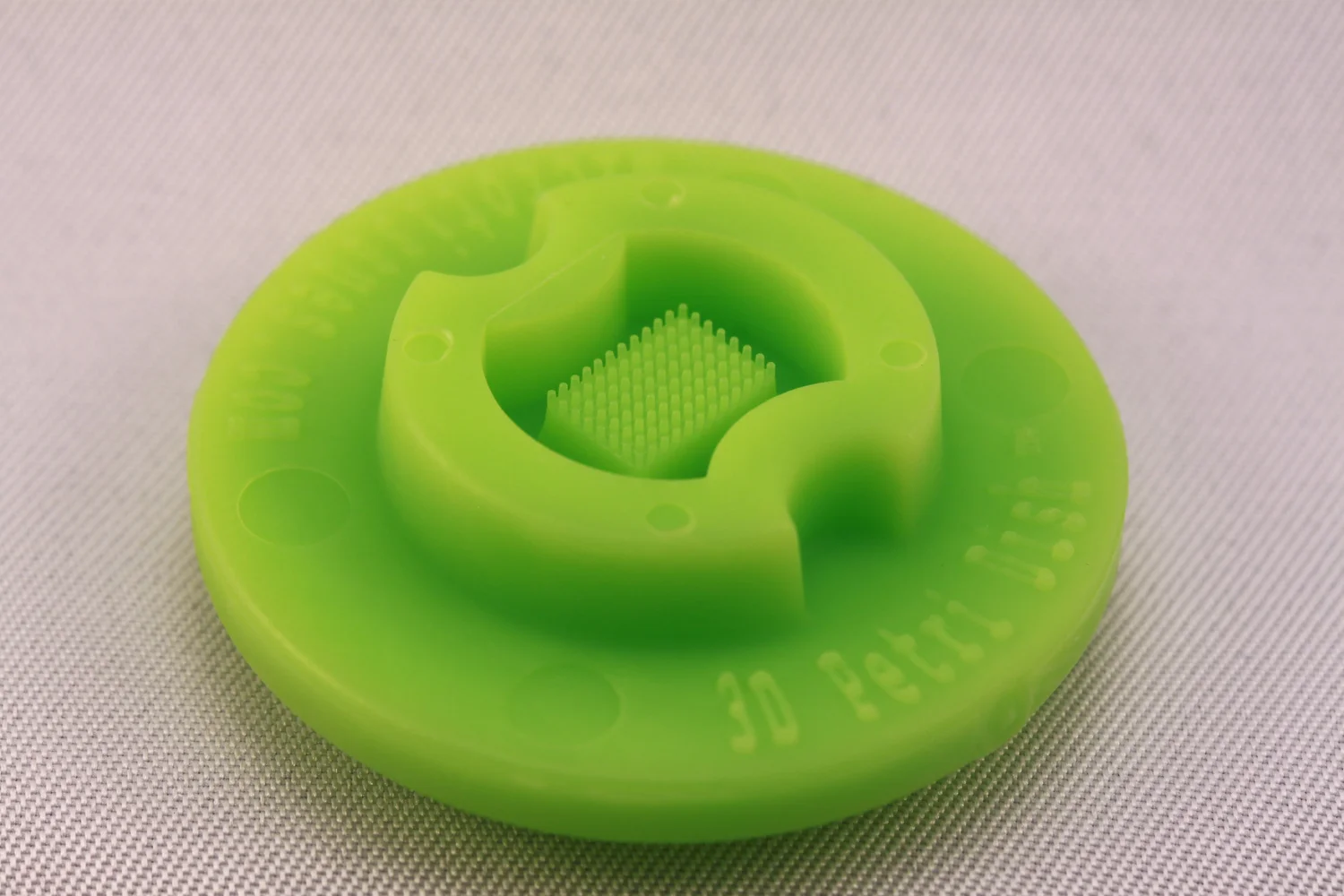
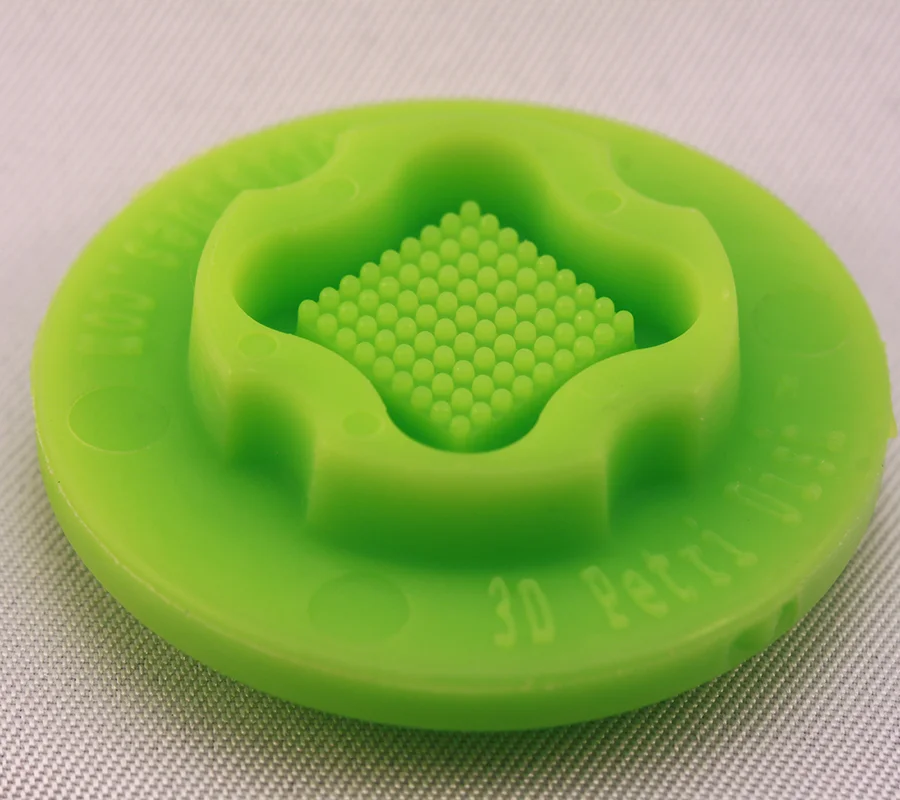
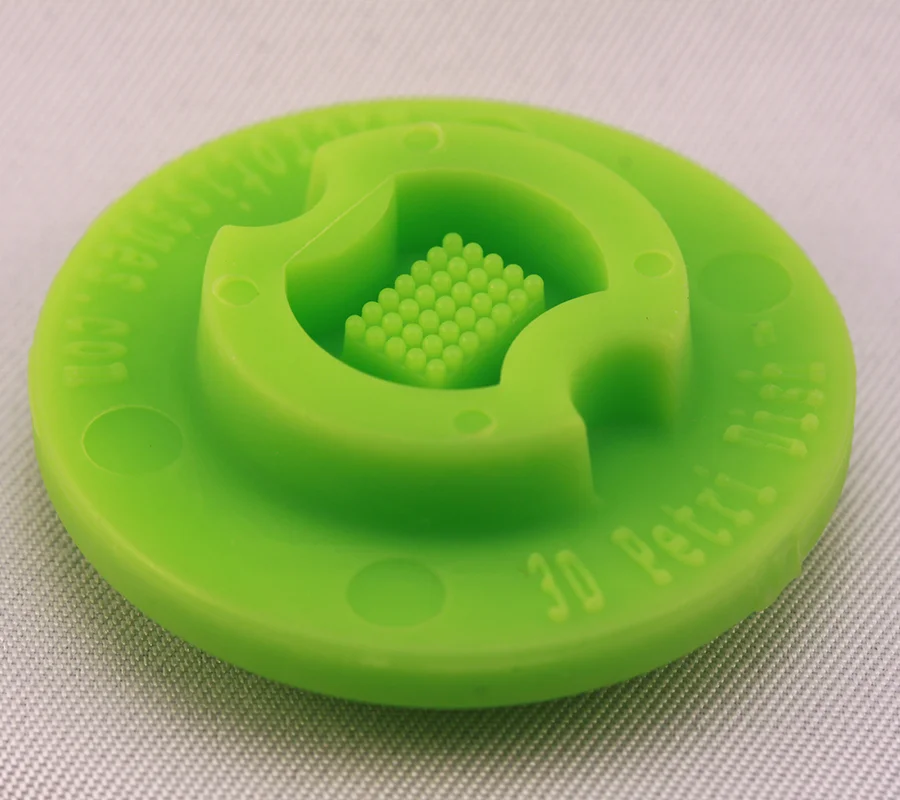
Published in Journal of Dental Research (2014), this peer-reviewed study used 3D Petri Dish® micro-molds to form scaffold-free 3D microtissues. Full citation: Dissanayaka, W.L., et al. Scaffold-free Prevascularized Microtissue Spheroids for Pulp Regeneration
Scaffold-free Prevascularized Microtissue Spheroids for Pulp Regeneration
Research Overview
Dental pulp regeneration faces two hurdles: creating a microenvironment resembling natural pulp extracellular matrix, and securing blood supply for transplanted cells — and many scaffolds fail to mimic essential matrix functions.
This study took a scaffold-free route, using microtissue spheroids of dental pulp stem cells prevascularized with human umbilical vein endothelial cells. The spheroids were fabricated in vitro, inserted into the canal space of tooth-root slices, and implanted subcutaneously into immunodeficient mice, with histological examination assessing pulp-like tissue regeneration.
Key Discoveries
- Scaffold-free dental pulp stem cell spheroids prevascularized with endothelial cells
- Spheroids inserted into tooth-root canal space and implanted in immunodeficient mice
- Addresses both matrix mimicry and blood supply, the two central hurdles in pulp regeneration