Summary
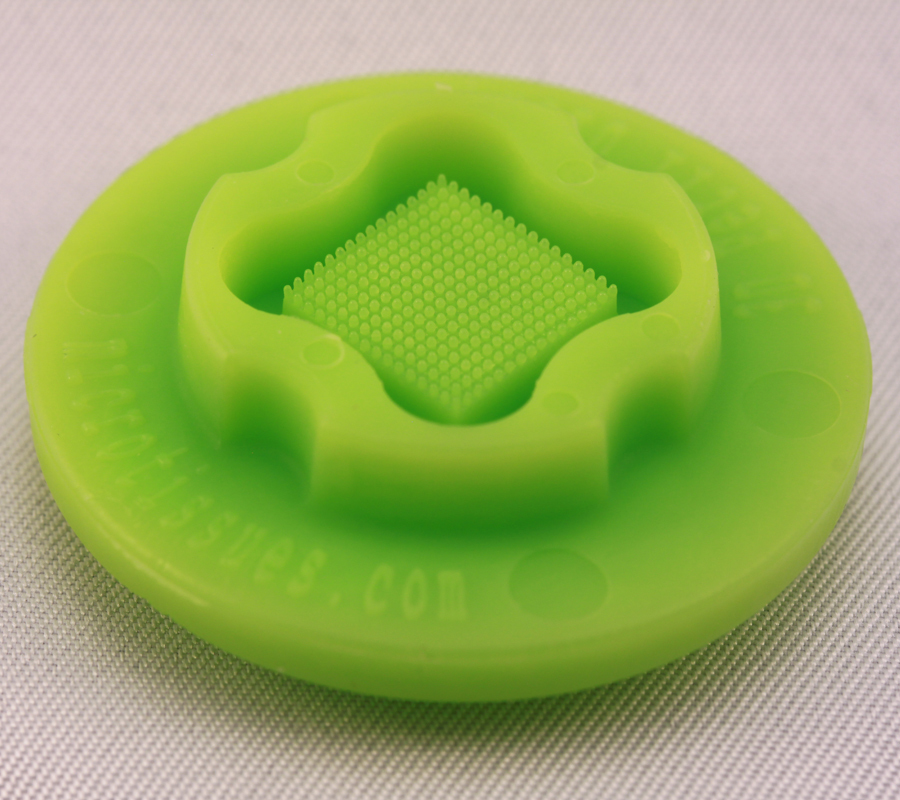
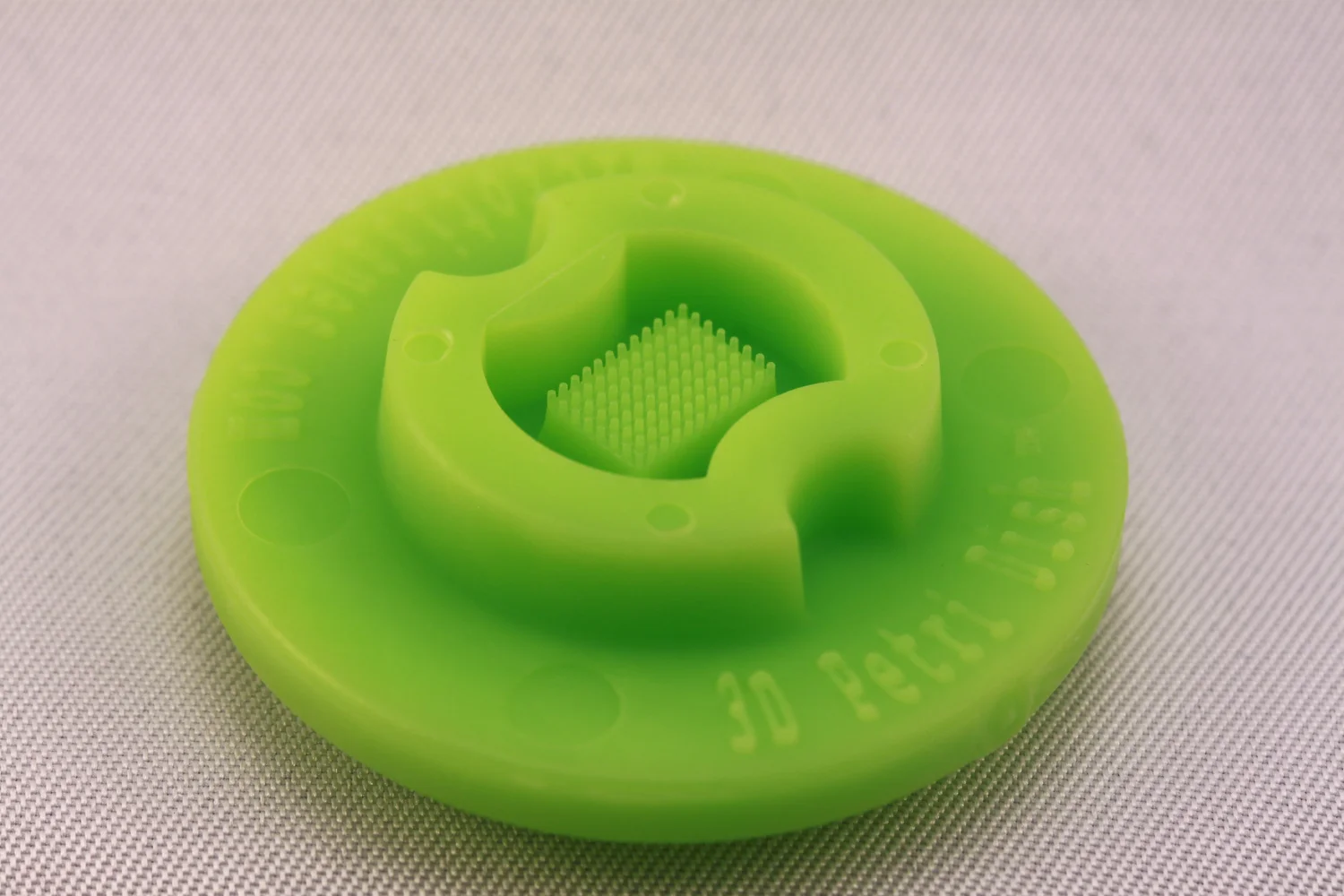
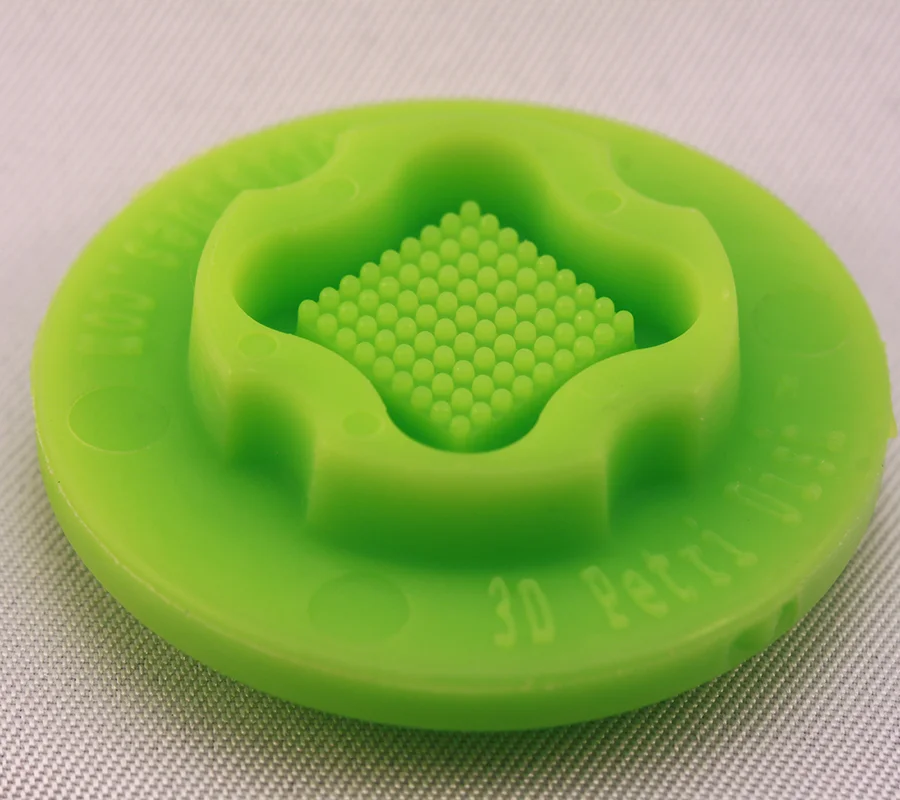
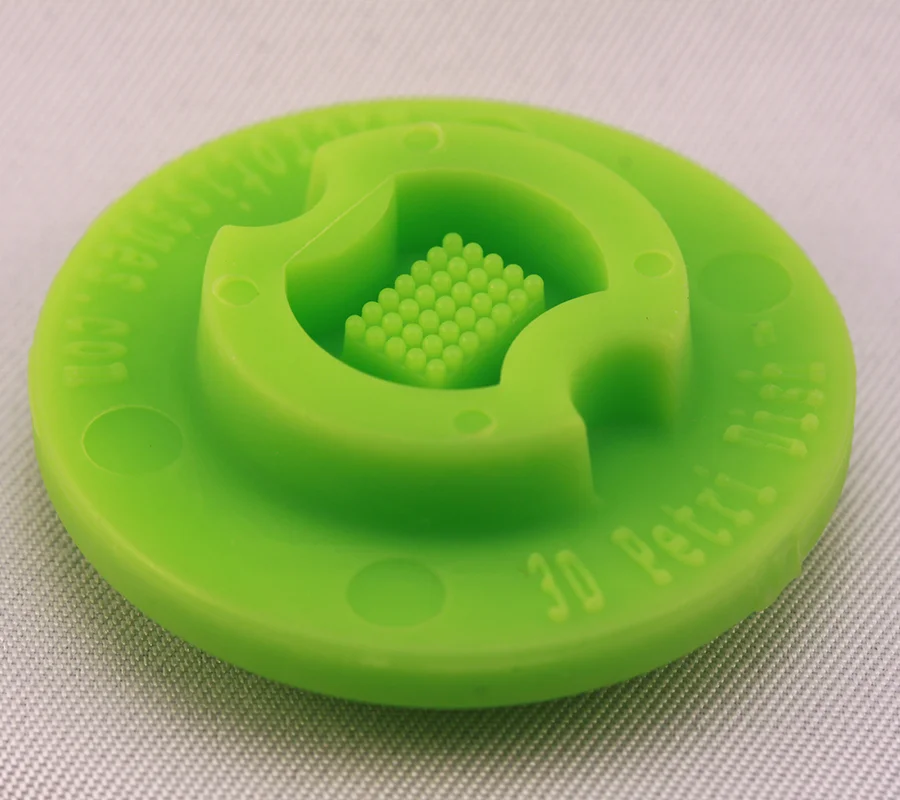
Published in Cellular and Molecular Bioengineering (2024), this peer-reviewed study used 3D Petri Dish® micro-molds to form scaffold-free 3D microtissues. Full citation: Fonseca, Vera C., et al. Primary Human Cell-Derived Extracellular Matrix from Decellularized Fibroblast Microtissues with Tissue-Dependent Composition and Microstructure
Primary Human Cell-Derived Extracellular Matrix from Decellularized Fibroblast Microtissues with Tissue-Dependent Composition and Microstructure
Research Overview
Human extracellular matrix has complex, tissue- and disease-specific composition and architecture that is hard to reverse engineer. Matrix secreted by primary human fibroblasts and then decellularized is a promising route — but fibroblasts on rigid culture plastic or scaffolds experience abnormal mechanical cues that distort matrix biochemistry, mechanics, and production efficiency.
This study demonstrated a method for preparing decellularized matrix from primary human fibroblasts that retains tissue- and disease-specific features, illustrated through case studies including cardiac matrix.
Key Discoveries
- Decellularized matrix prepared from primary human fibroblasts retains tissue-specific features
- Avoids the aberrant mechanical cues fibroblasts receive on rigid plastic or scaffolds
- Demonstrated across disease-specific case studies including cardiac matrix