Summary
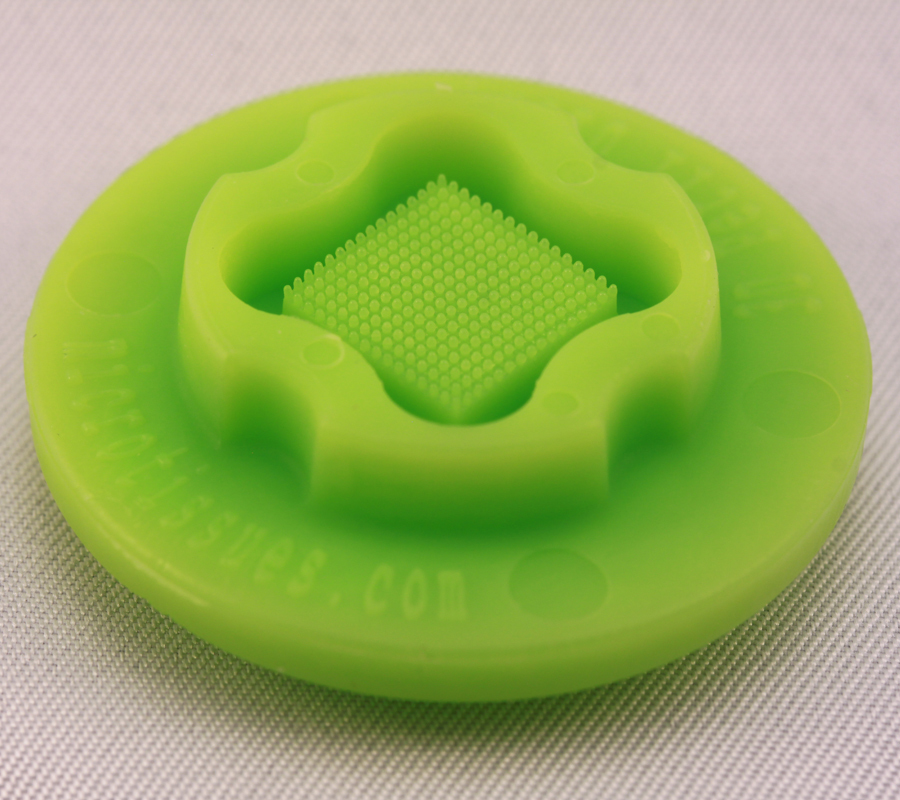
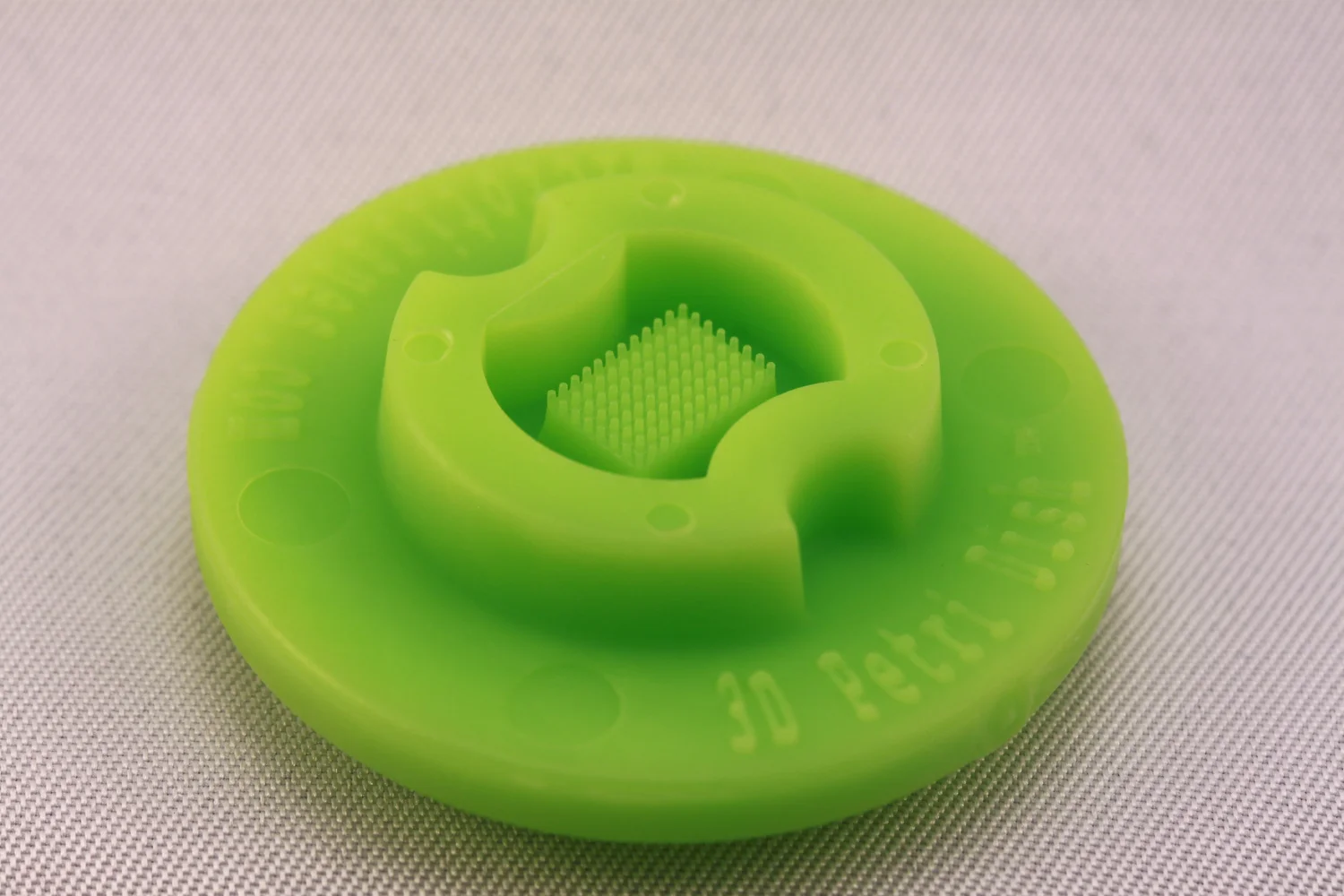
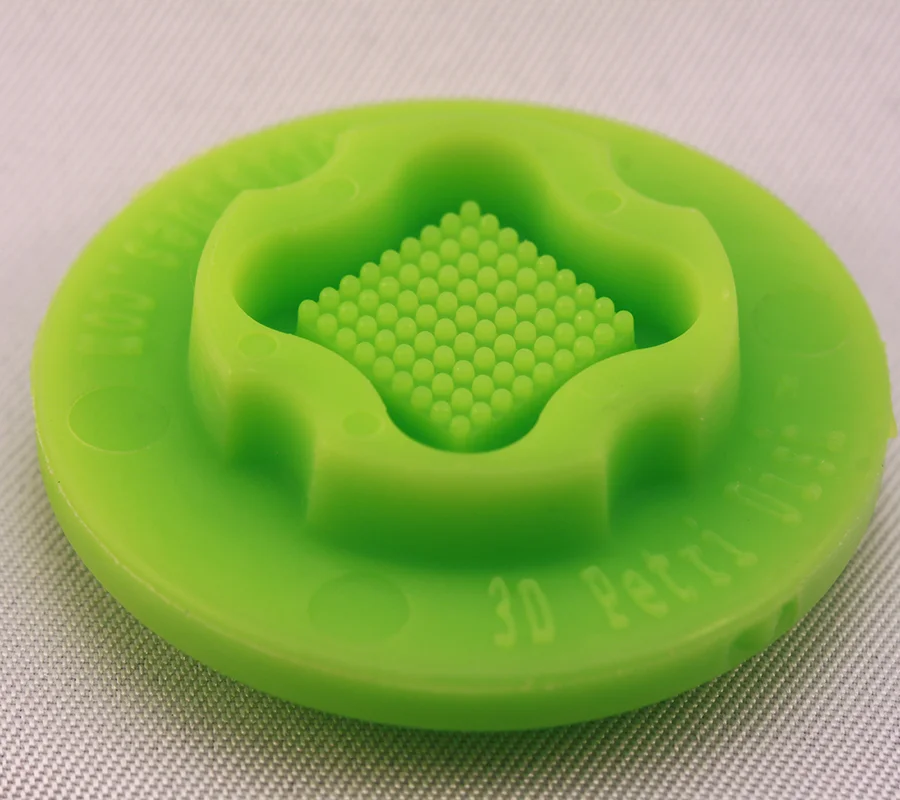
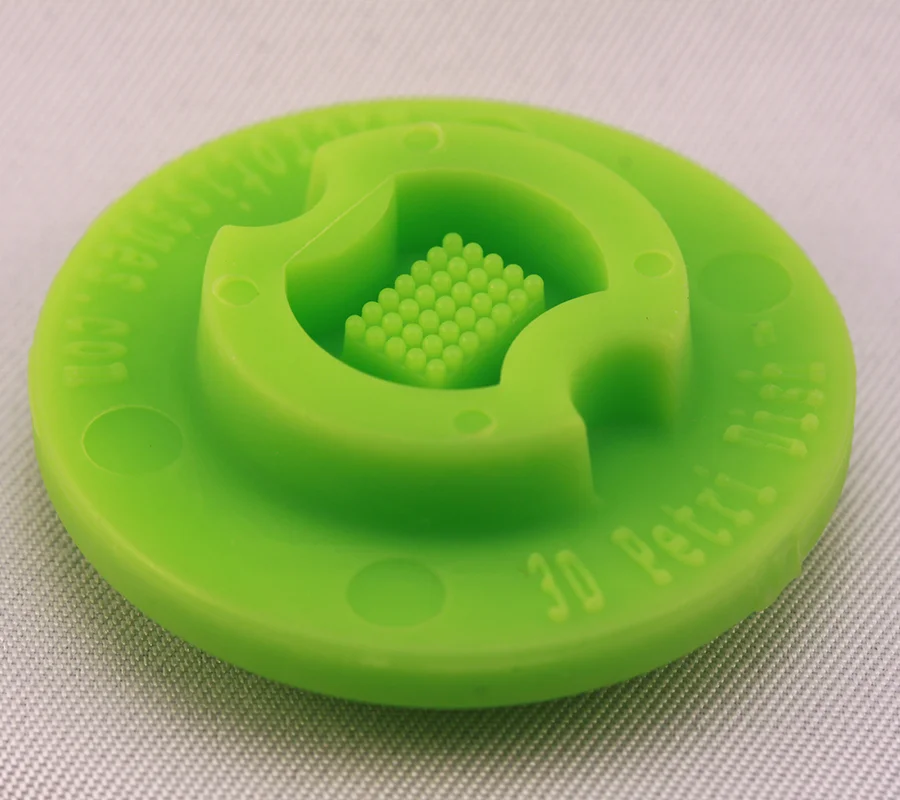
Published in Birth Defects Research Part C: Embryo Today: Reviews (2016), this peer-reviewed study used 3D Petri Dish® micro-molds to form scaffold-free 3D microtissues. Full citation: Alexander, Peter G., et al. Prenatal exposure to environmental factors and congenital limb defects
Prenatal exposure to environmental factors and congenital limb defects
Research Overview
Limb congenital defects affect roughly 0.6 per 1,000 live births, and prenatal exposure to drugs and environmental toxicants is a major contributor alongside genetics. Thalidomide, warfarin, valproic acid, misoprostol, and phenytoin are recognized limb teratogens, but predicting the teratogenicity of thousands of uncharacterized environmental pollutants remains imprecise.
The limitation is the models: guideline animal studies have inherently deficient predictive power because of genomic and anatomical differences from humans. This work addresses that gap with human-relevant 3D approaches to limb developmental toxicity screening.
Key Discoveries
- Targets the prediction gap for thousands of uncharacterized environmental limb teratogens
- Identifies genomic and anatomical species differences as the limit of animal guideline models
- Applies human-relevant 3D culture to developmental toxicity assessment