Summary
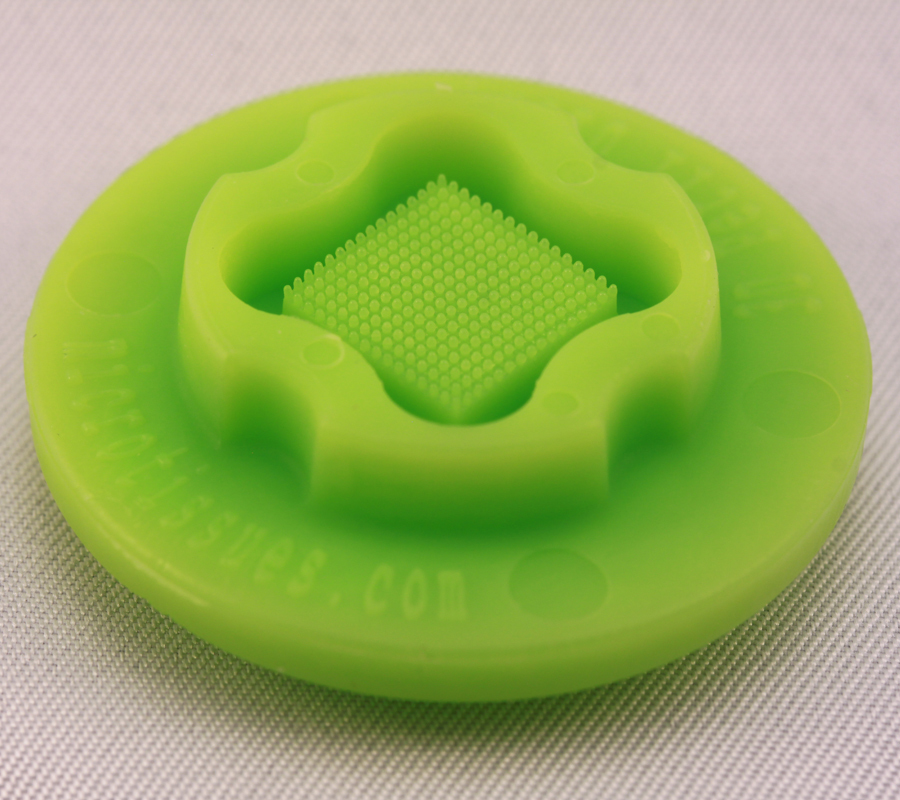
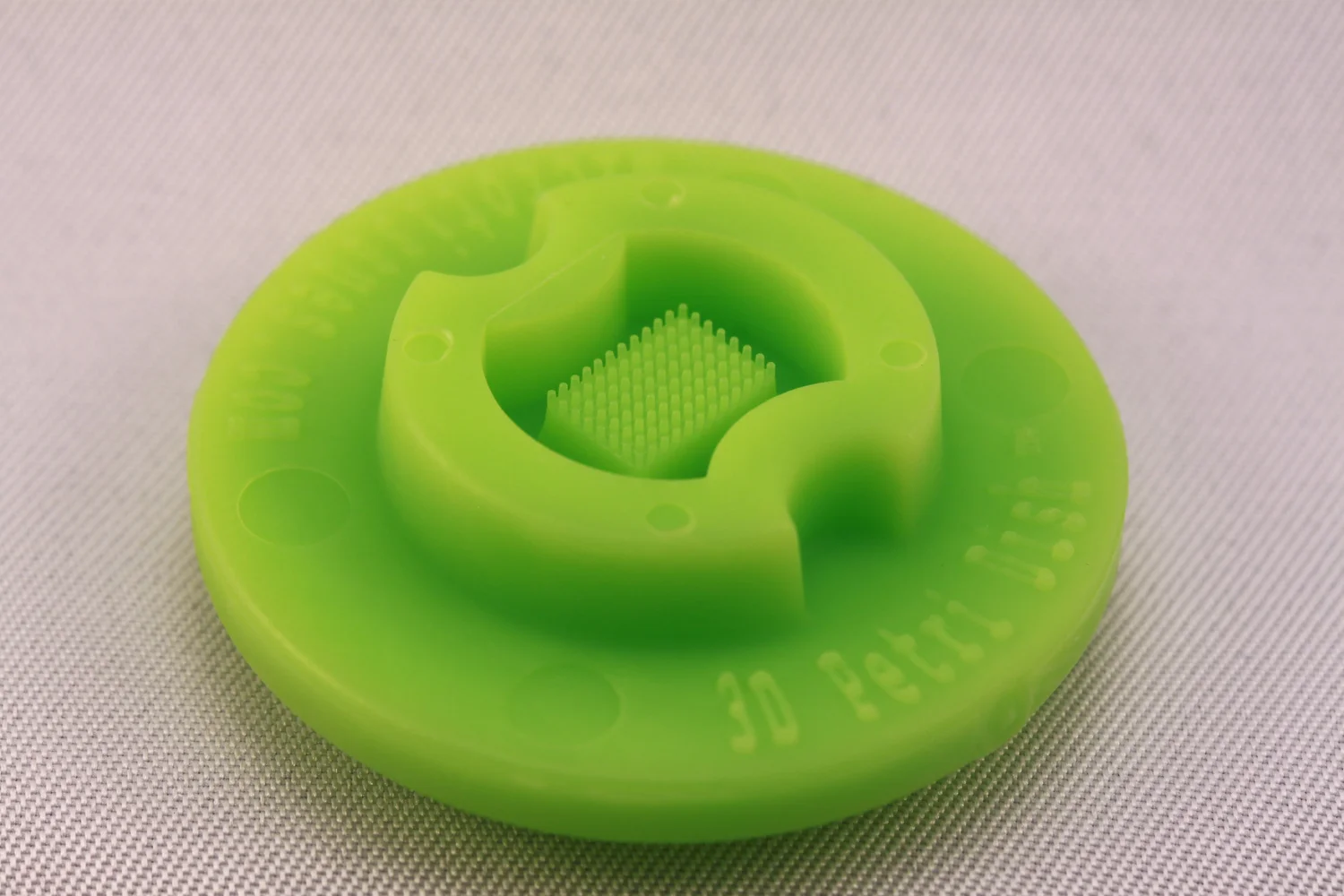
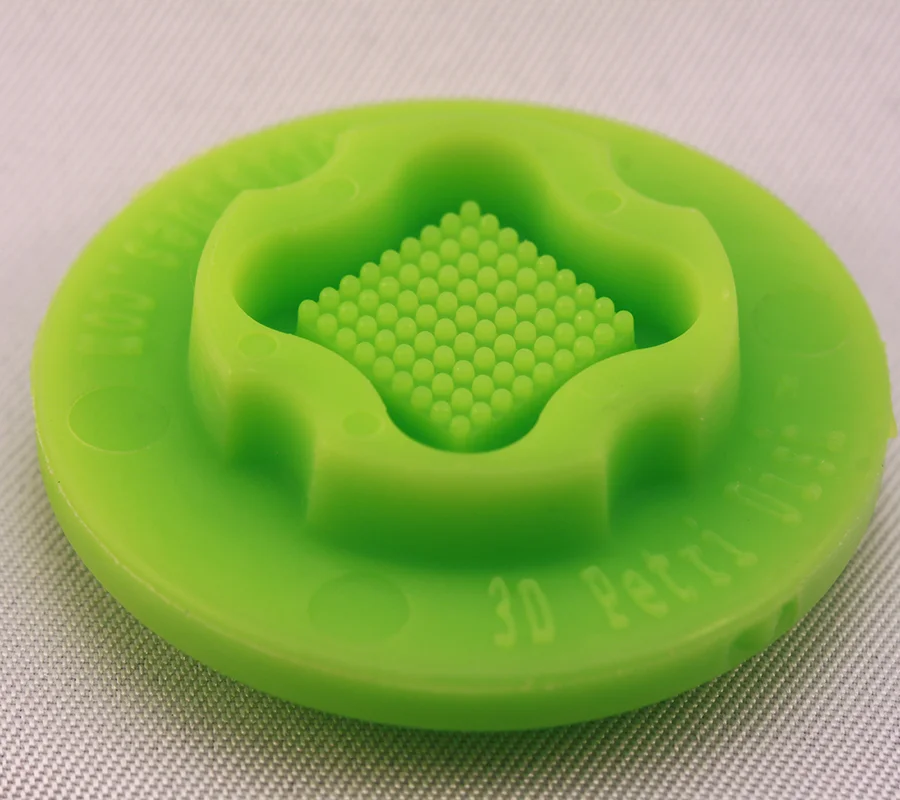
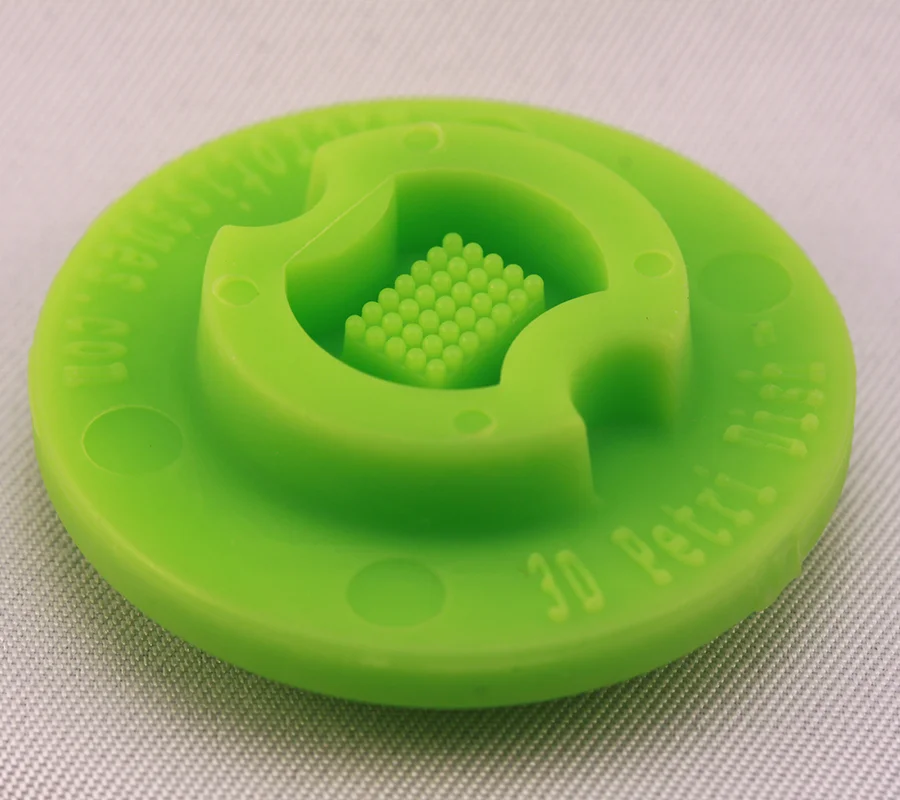
Published in Current Opinion in Biotechnology (2011), this peer-reviewed study used 3D Petri Dish® micro-molds to form scaffold-free 3D microtissues. Full citation: Elbert, Donald L. Bottom-up tissue engineering
Bottom-up tissue engineering
Research Overview
Recreating the structures formed during development is an extreme synthetic and biological challenge. Materials for supporting transplanted cells have advanced considerably, yet tissue complexity far exceeds even the most sophisticated scaffolds.
Self-assembly — a motif development itself relies on — offers an alternative route to complex materials. Beyond well-explored nanoscale self-assembly of peptides and proteins, this brief review covers emerging ideas for self-assembly at the micron scale, surveying recent advances in the assembly of micron-scale cell aggregates and microgels.
Key Discoveries
- Reviews micron-scale self-assembly of cell aggregates and microgels
- Positions self-assembly as a route past the complexity ceiling of engineered scaffolds
- Extends self-assembly thinking beyond nanoscale peptides and proteins