Summary
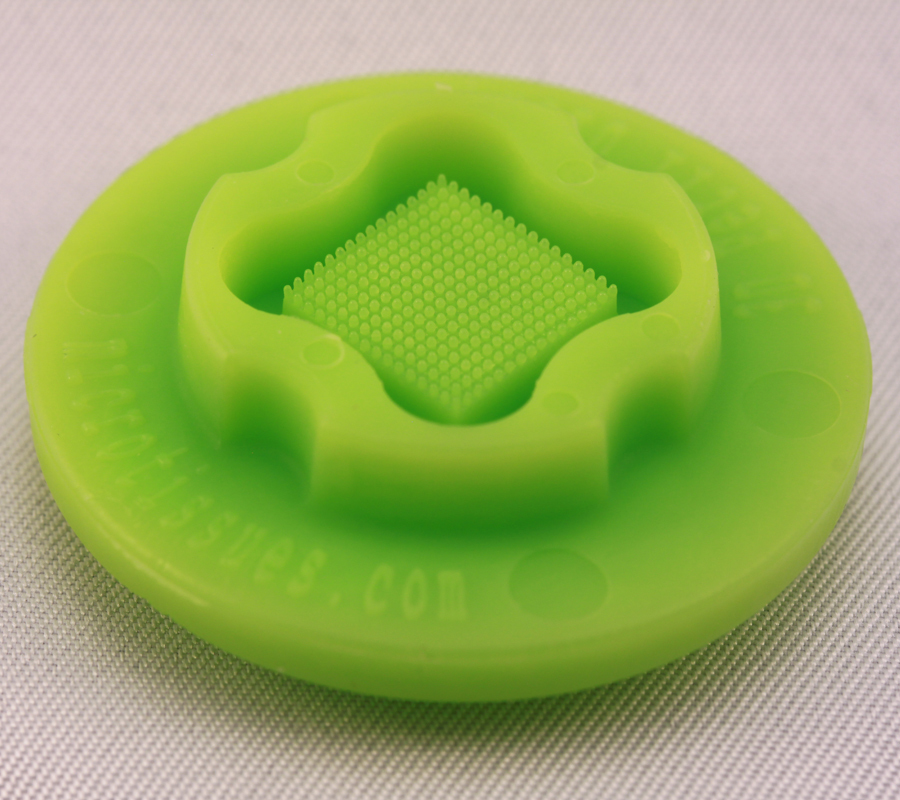
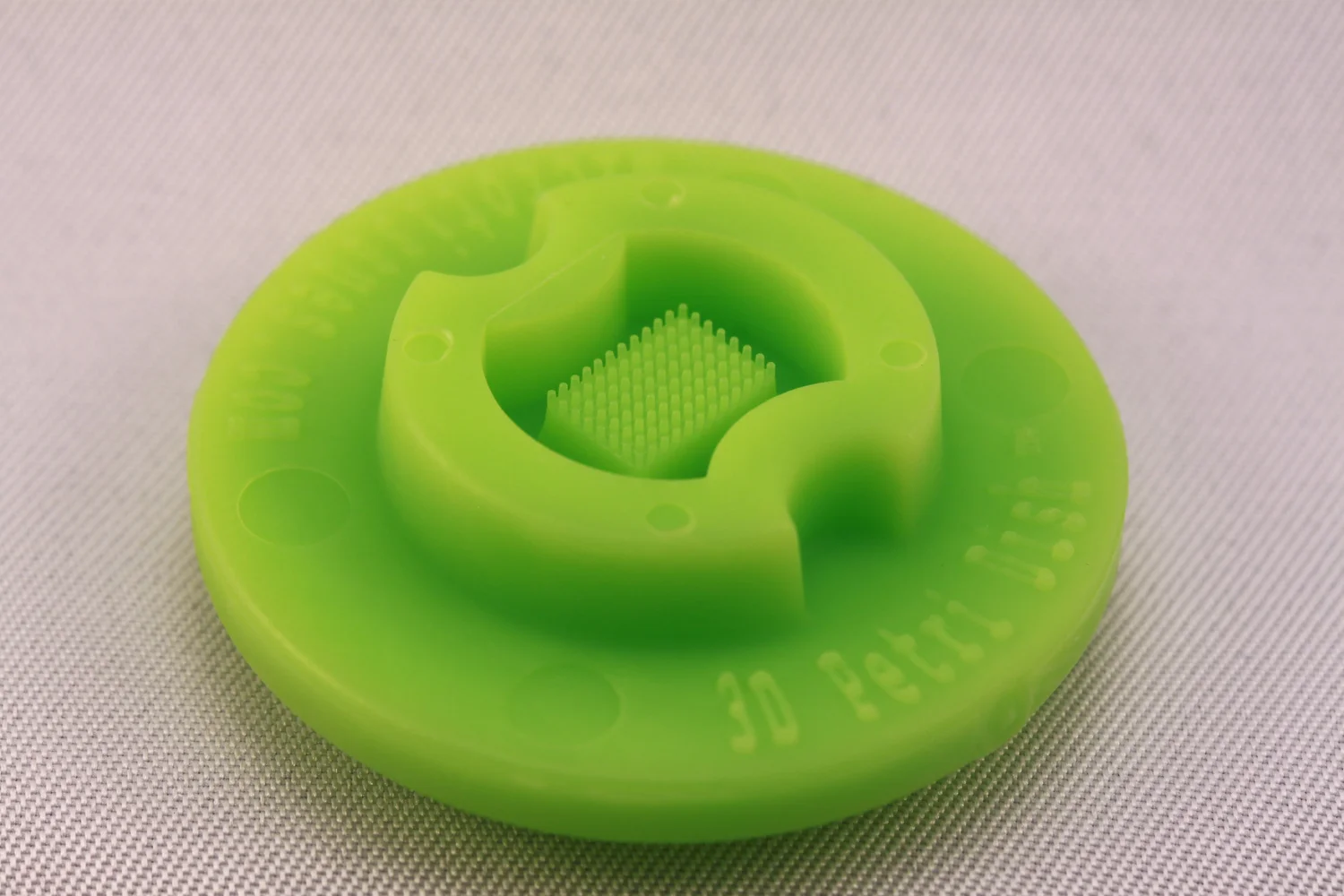
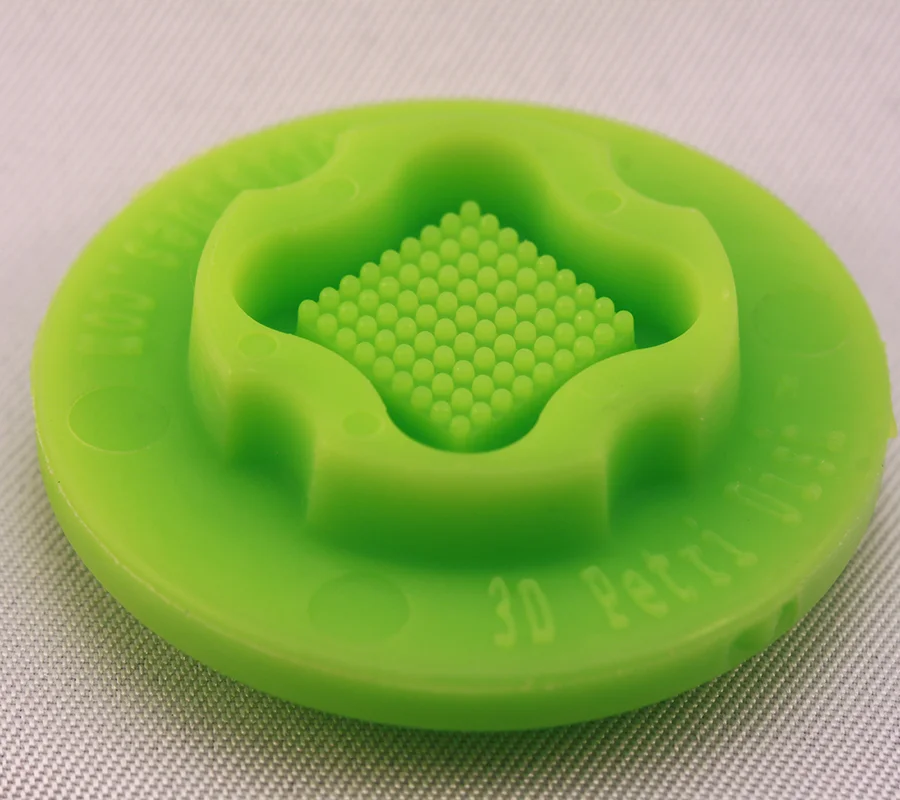
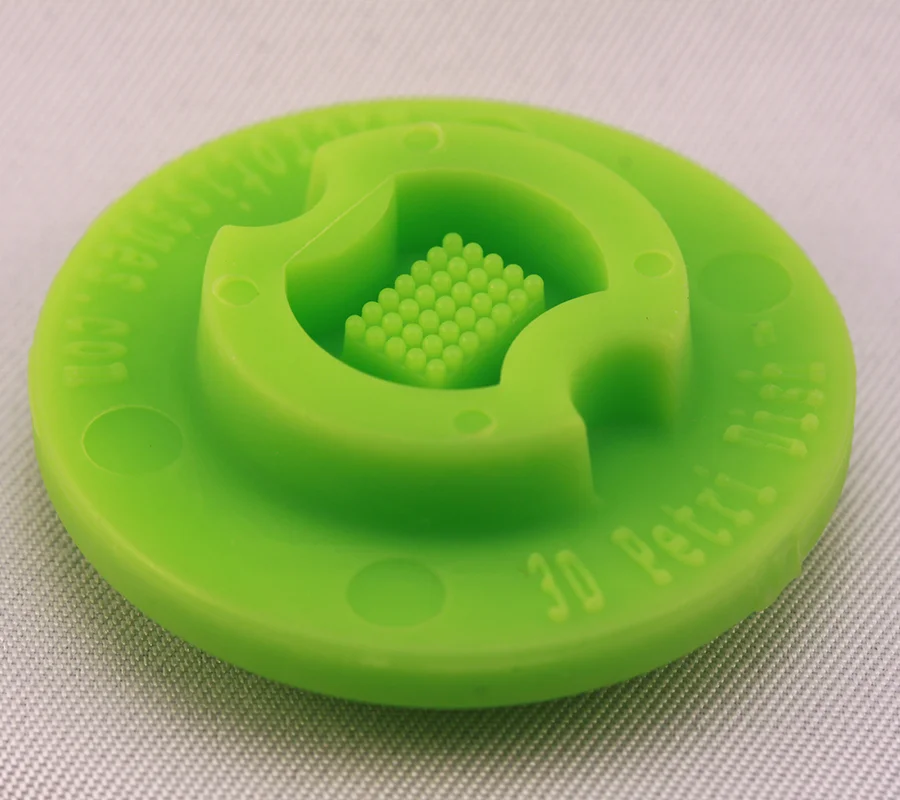
Published in Advanced Functional Materials (2024), this peer-reviewed study used 3D Petri Dish® micro-molds to form scaffold-free 3D microtissues. Full citation: Duong, Van Thuy, et al. Photo‐Responsive Decellularized Small Intestine Submucosa Hydrogels
Photo‐Responsive Decellularized Small Intestine Submucosa Hydrogels
Research Overview
Decellularized small intestine submucosa is rich in extracellular matrix proteins — collagen, laminin, fibronectin — and after mild decellularization supports cell adhesion, proliferation, and differentiation. But the conventional thermally crosslinked matrix is soft and unstable.
Methacrylate modification enabled photocrosslinking into more stable hydrogels; this study went further, developing decellularized submucosa modified with clickable handles for orthogonal crosslinking. The result is a photoresponsive biomaterial with tunable stability for tissue regeneration applications.
Key Discoveries
- Decellularized small intestine submucosa modified with clickable handles for orthogonal crosslinking
- Addresses the softness and instability of thermally crosslinked matrix
- Photoresponsive hydrogel retains ECM proteins supporting adhesion and differentiation