Summary
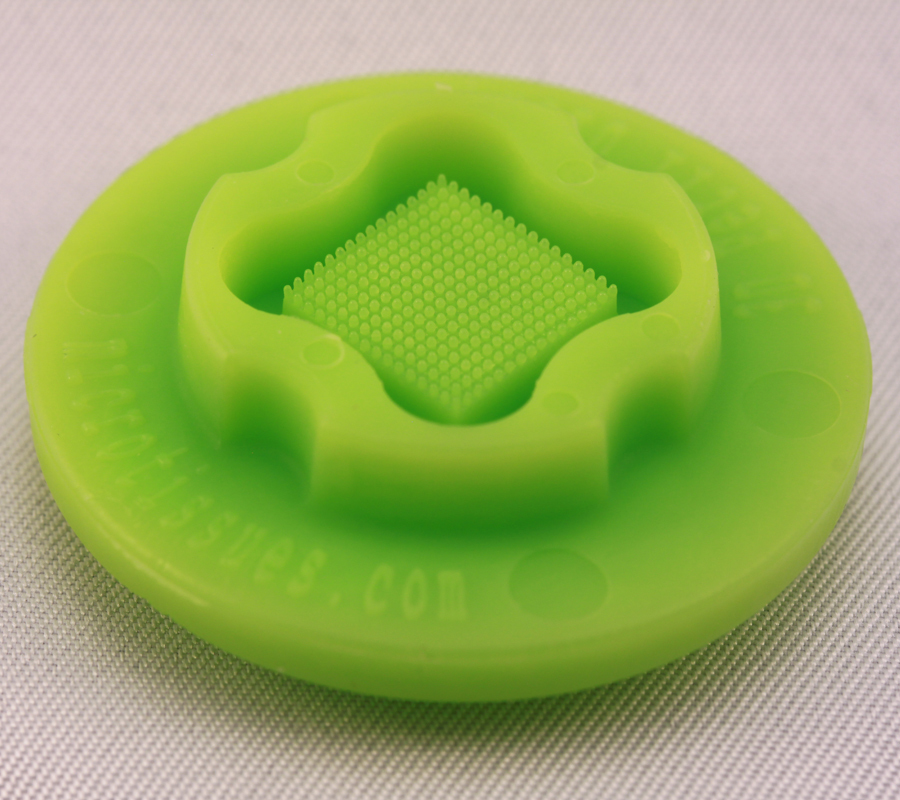
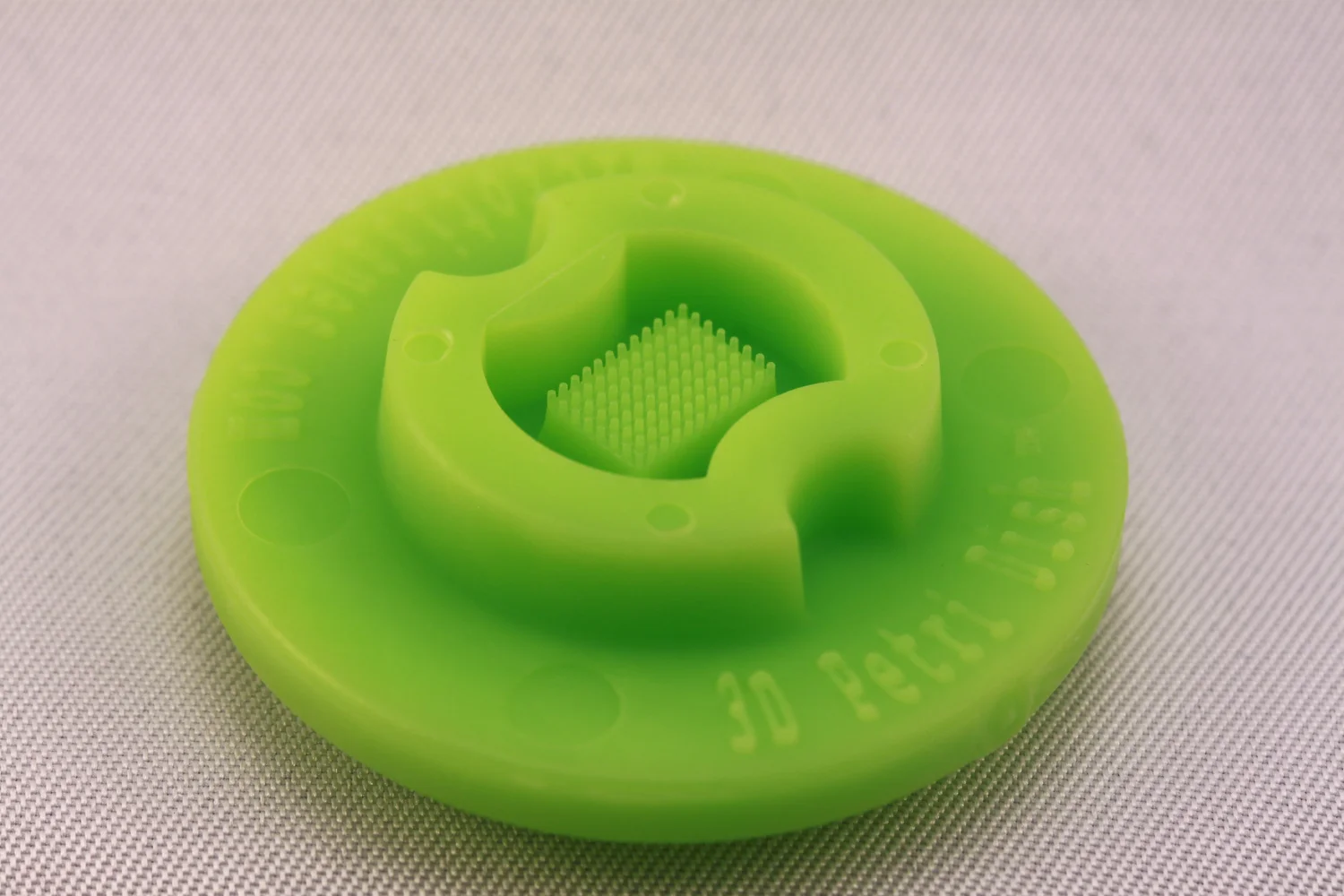
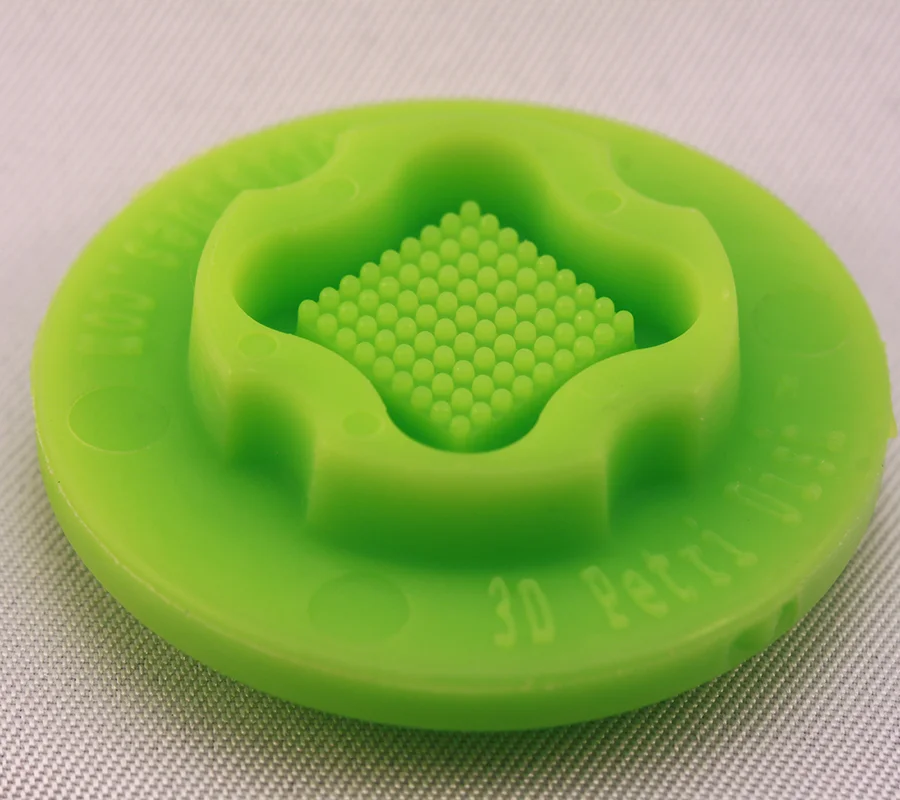
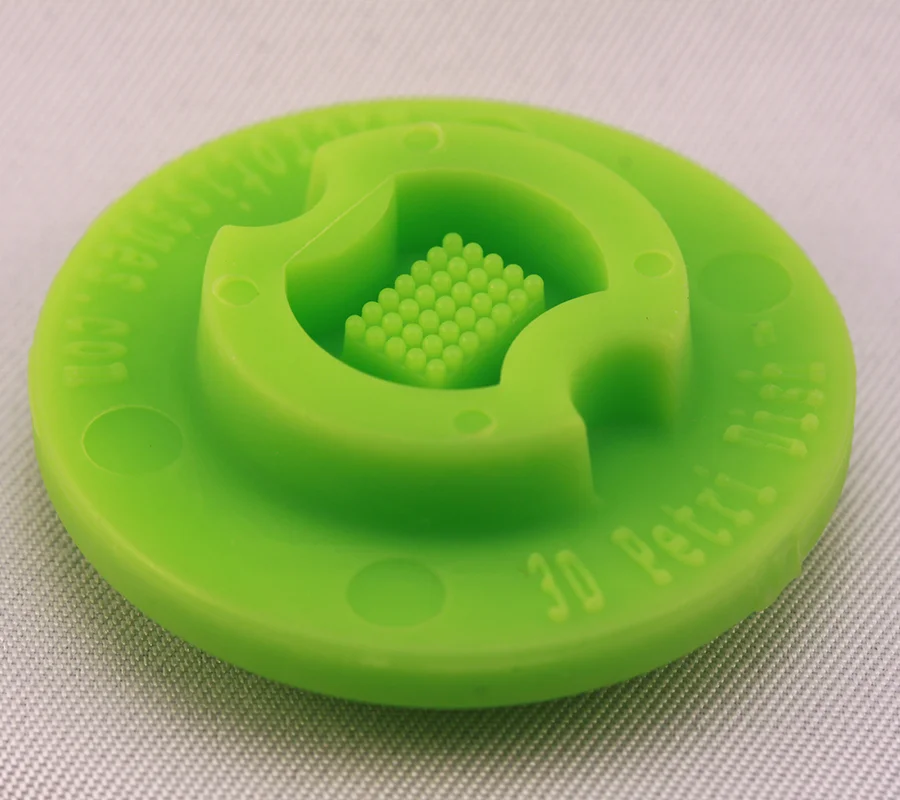
This study by Ip, B. C. et al was published in 2018. It utilized Microtissues 3D Petri Dish® micro-molds for 3D cell culture, contributing to advances in developmental biology research.
Perfused Organ Cell‐Dense Macrotissues Assembled from Prefabricated Living Microtissues
Research Overview
Engineered tissues usually fall short of physiological cell density and size because diffusion alone cannot feed a large construct. This study reported the Bio-Pick, Place, and Perfuse (Bio-P3) — an integrated biofabrication-bioreactor platform that semi-automatically and rapidly assembles cell-dense macrotissues containing 100 million cells while actively perfusing them.
The system grips, aligns, and stacks prefabricated, scaffold-free microtissue parts with integrated lumens onto a perfusable build platform, so nutrient exchange continues during assembly — a route past the diffusion limit that has constrained tissue engineering.
Key Discoveries
- Utilized Microtissues 3D Petri Dish® micro-molds for reproducible 3D spheroid formation
- Enabled physiologically relevant cell-cell interactions in a controlled 3D environment
- Supported the study of complex biological processes that cannot be replicated in traditional 2D culture
3D Petri Dish® Application
3D Petri Dish® Application
- Non-adhesive hydrogel micro-molds promoted self-assembly of cells into 3D spheroids:
- Uniform microtissue size ensured experimental reproducibility:
- Compatible with standard cell culture workflows and imaging techniques: