Summary
This study by Svoronos, A. A., Tejavibulya, N., Schell, J. Y., Shenoy, V. B. & Morgan, J. R was published in Tissue Engineering Part A 20, 1134–, 2013. It utilized Microtissues 3D Petri Dish® micro-molds for 3D cell culture, contributing to advances in developmental biology research.
Micro-Mold Design Controls the 3D Morphological Evolution of Self-Assembling Multicellular Microtissues
Research Overview
When seeded into nonadhesive micro-molds, cells self-assemble into 3D microtissues through cytoskeletal contraction and cell-cell adhesion — and the resulting size and shape depend on cell type plus the size, shape, and obstacles built into the mold. This study used human fibroblasts to dissect which mold design elements steer that morphology.
In a loop-ended dogbone mold with two nonadhesive posts, fibroblasts formed a self-constrained tissue whose own tension made it thin and eventually rupture. Widening the dogbone’s connecting rod increased stability — direct evidence that mold geometry is a design parameter for controlling how a 3D tissue self-organizes and survives its own contraction.
Key Discoveries
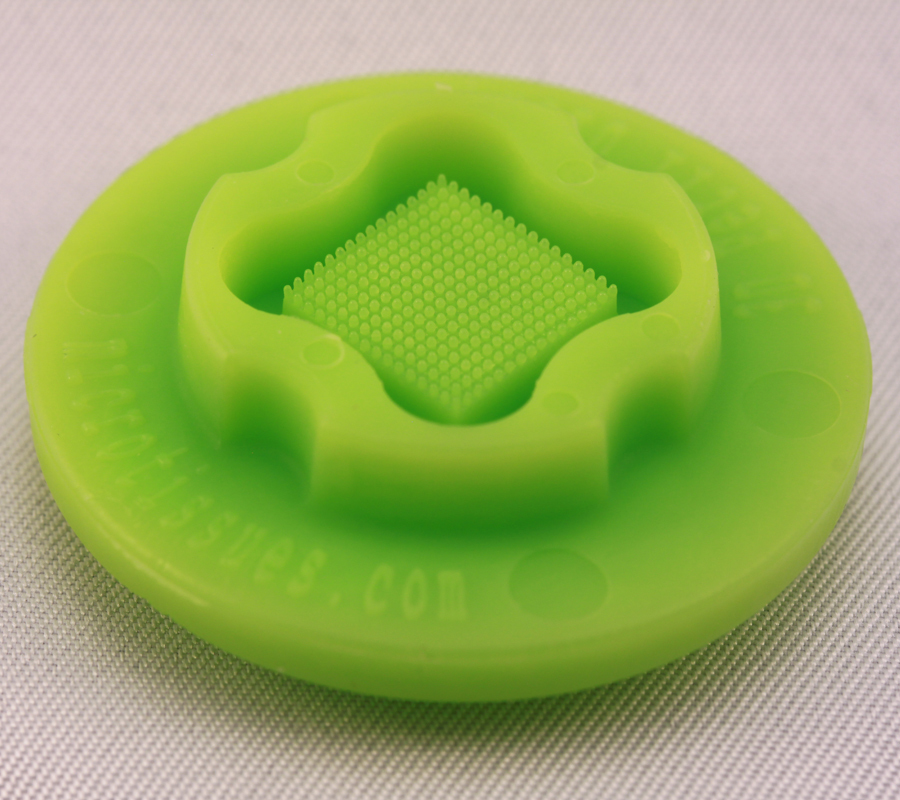
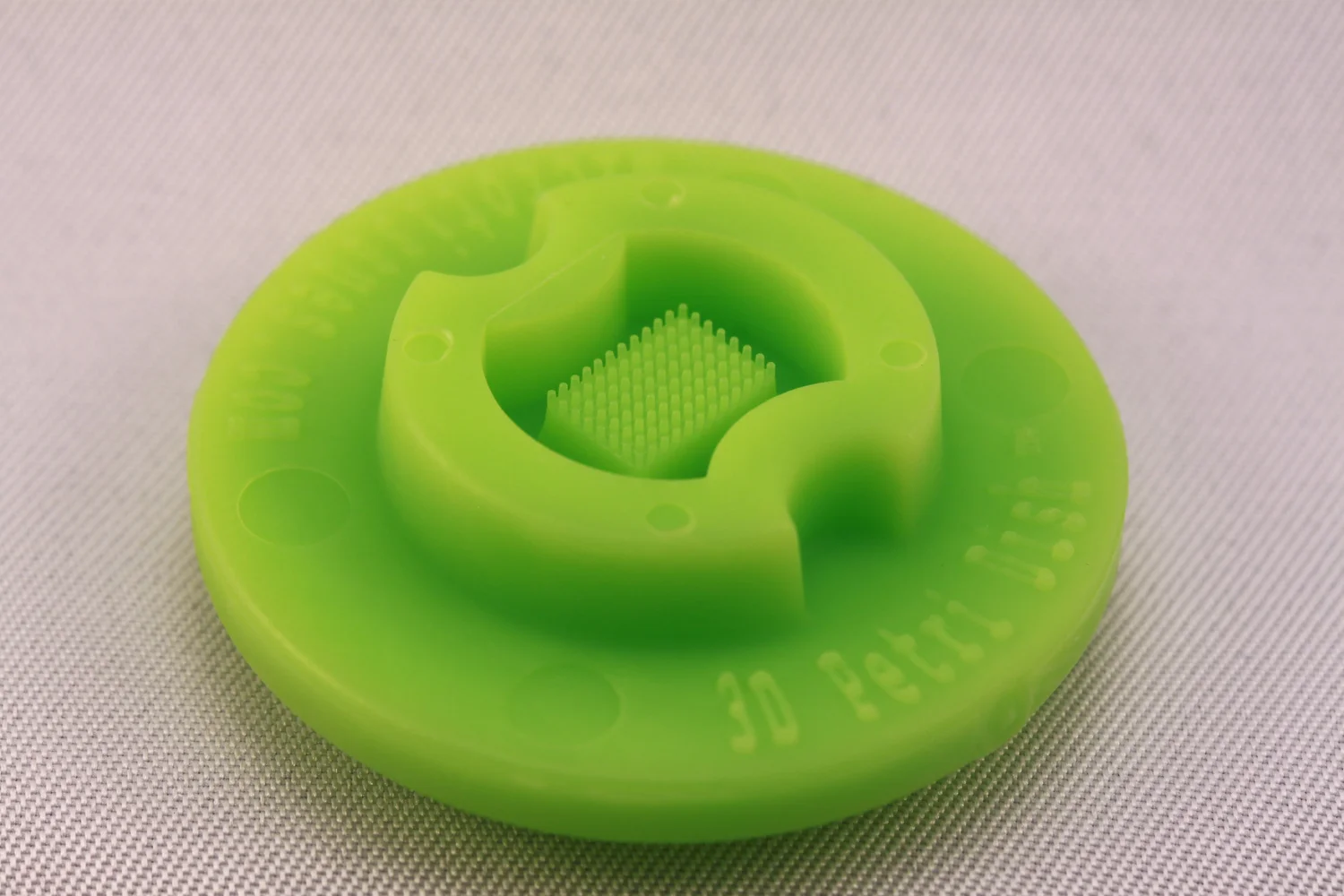
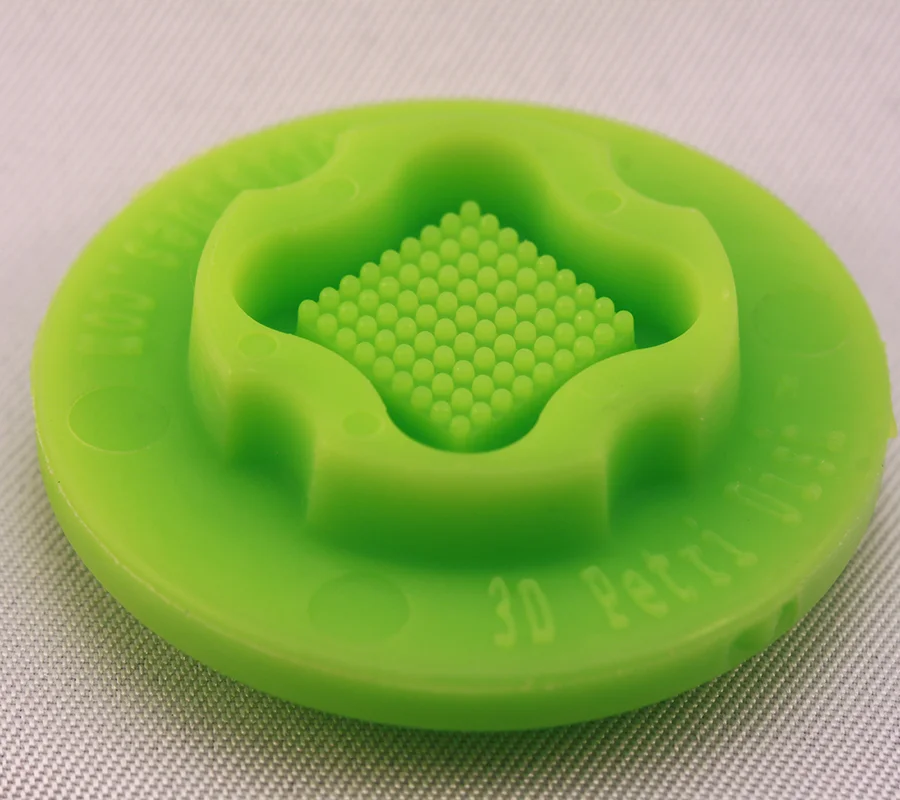
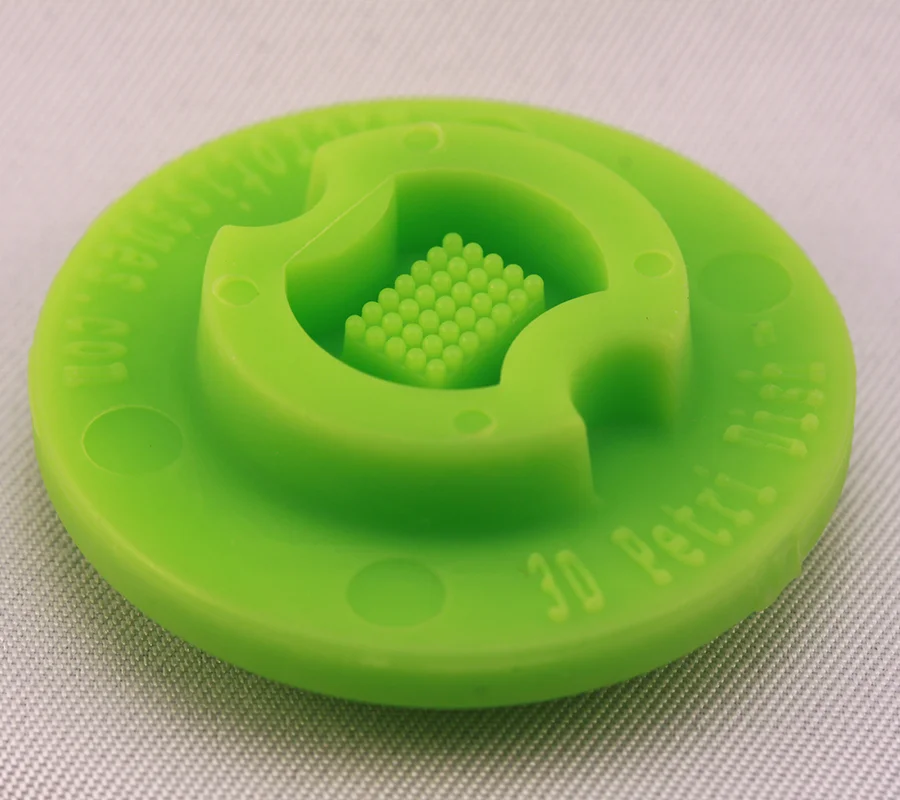
- Utilized Microtissues 3D Petri Dish® micro-molds for reproducible 3D spheroid formation
- Enabled physiologically relevant cell-cell interactions in a controlled 3D environment
- Supported the study of complex biological processes that cannot be replicated in traditional 2D culture
3D Petri Dish® Application
3D Petri Dish® Application
- Non-adhesive hydrogel micro-molds promoted self-assembly of cells into 3D spheroids:
- Uniform microtissue size ensured experimental reproducibility:
- Compatible with standard cell culture workflows and imaging techniques: