Summary
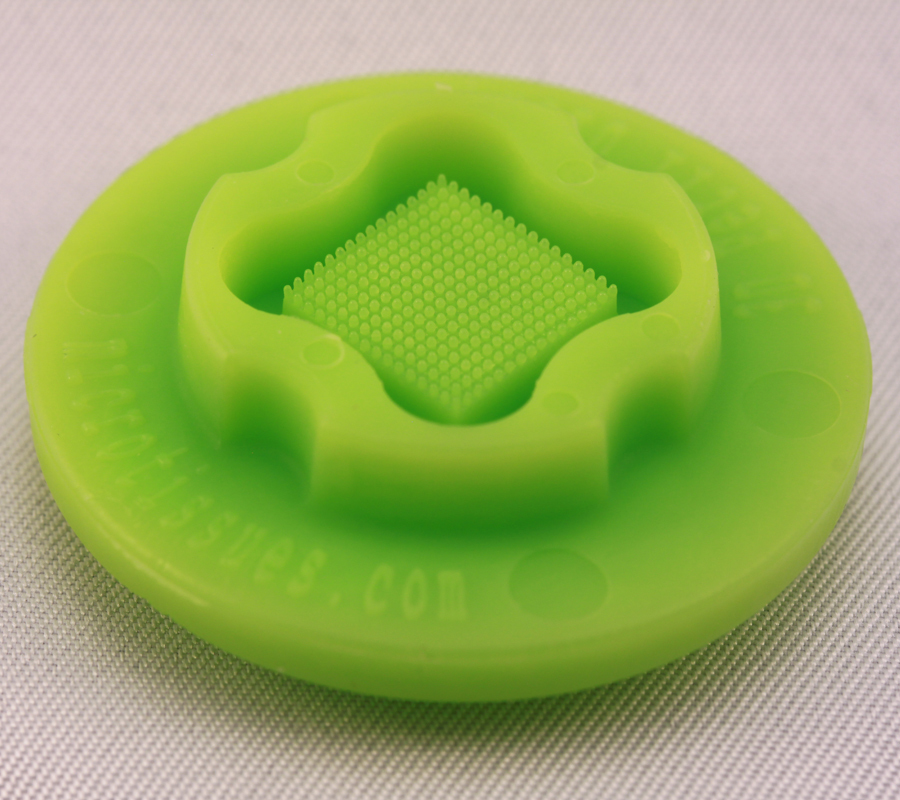
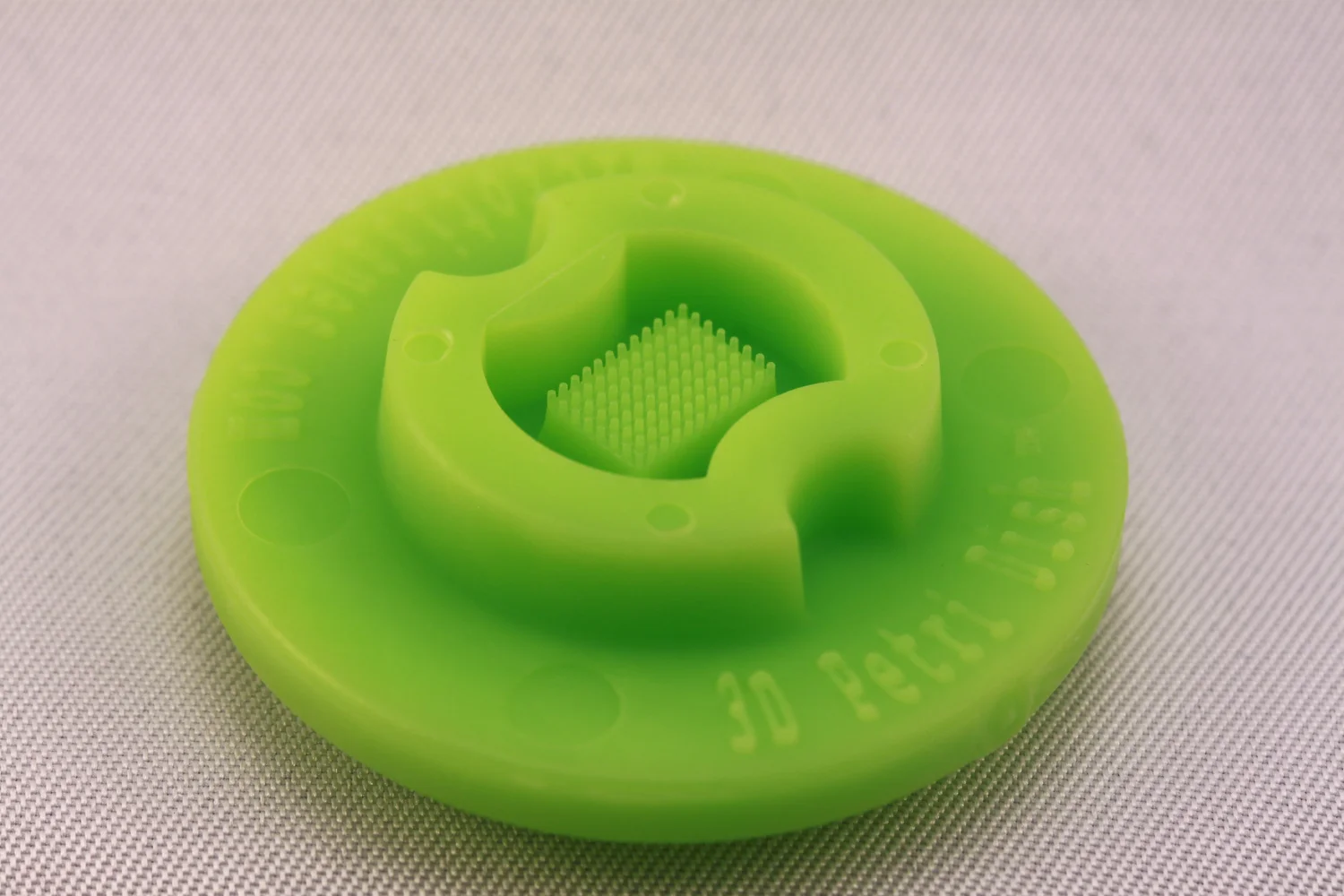
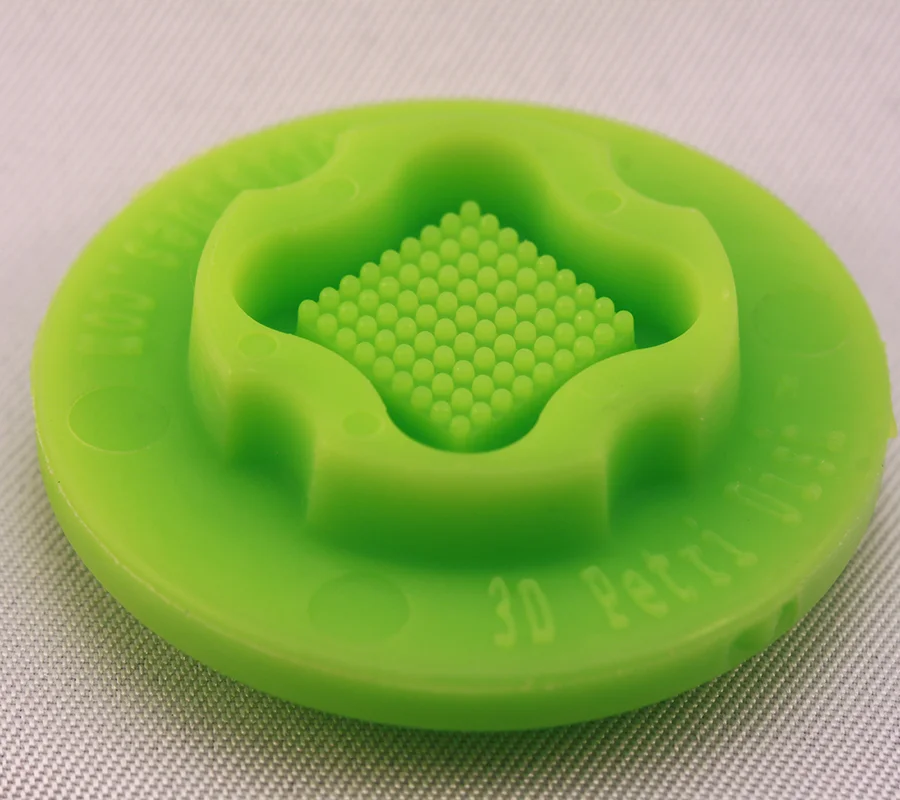
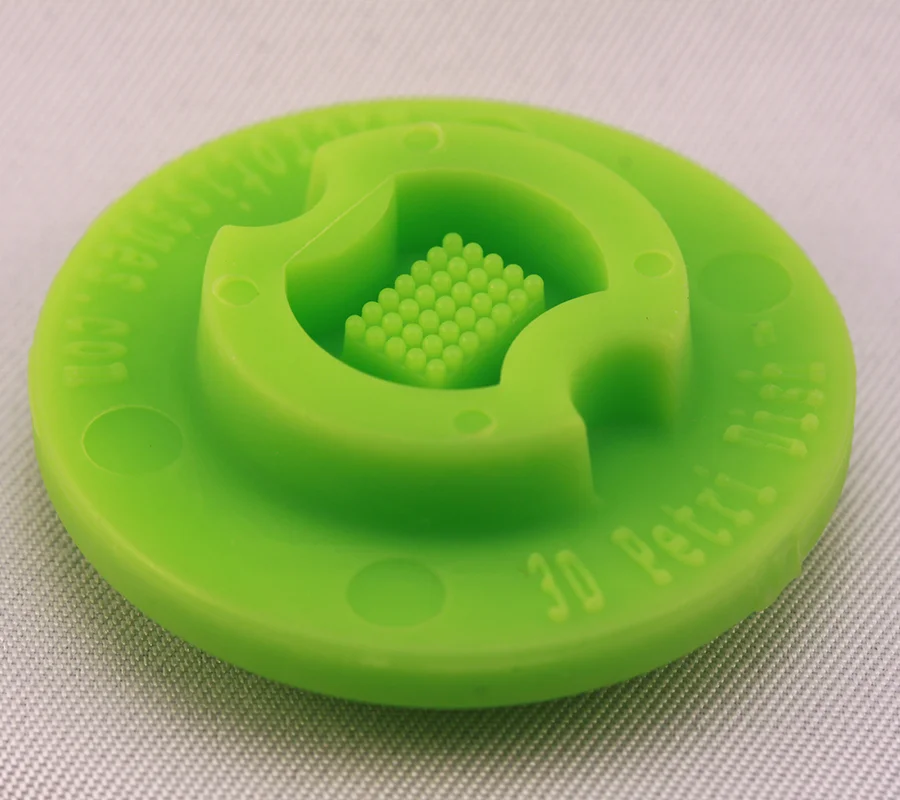
Published in Journal of Endodontics (2015), this peer-reviewed study used 3D Petri Dish® micro-molds to form scaffold-free 3D microtissues. Full citation: Dissanayaka, Waruna Lakmal, et al. In Vitro Analysis of Scaffold-free Prevascularized Microtissue Spheroids Containing Human Dental Pulp Cells and Endothelial Cells
In Vitro Analysis of Scaffold-free Prevascularized Microtissue Spheroids Containing Human Dental Pulp Cells and Endothelial Cells
Research Overview
Scaffolds often fail to reproduce the extracellular matrix functions that regulate cell-cell communication in tissue microenvironments, making scaffold-free microtissues containing stem-cell-derived matrix an attractive alternative.
This study fabricated 3D microtissue spheroids of dental pulp cells prevascularized with human umbilical vein endothelial cells, characterizing both dental-pulp-only and co-culture spheroids for their ability to form pulp-like tissue constructs in vitro — pairing the cells’ own matrix with an endothelial network before implantation.
Key Discoveries
- Dental pulp cell spheroids prevascularized with human umbilical vein endothelial cells
- Scaffold-free format let cells supply their own extracellular matrix
- Characterized for in vitro formation of pulp-like tissue constructs