Summary
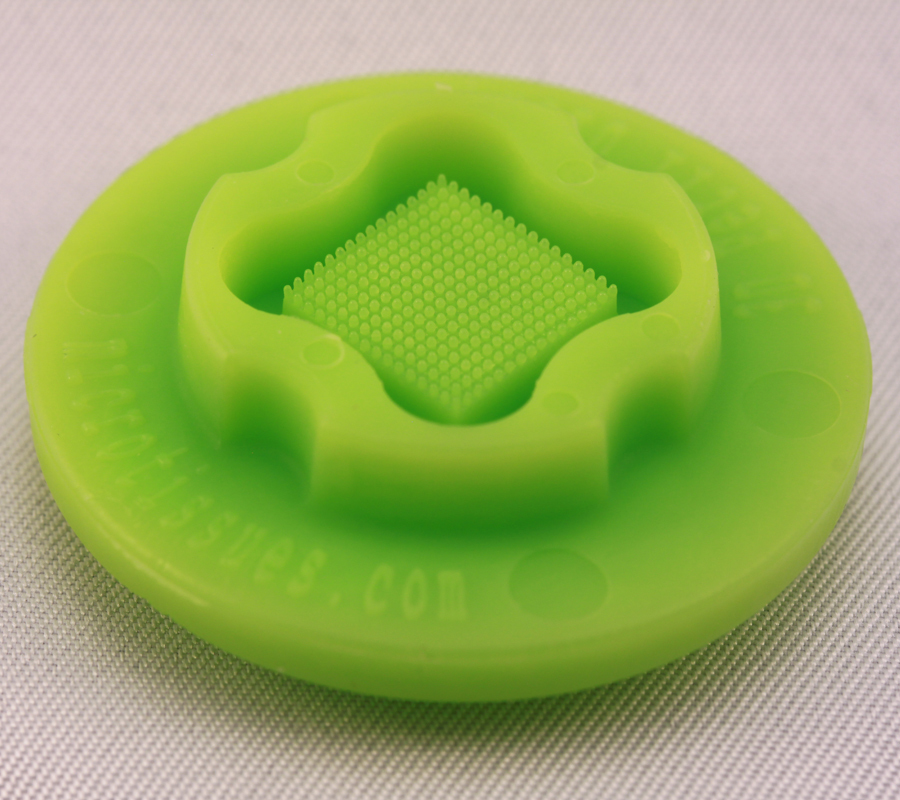
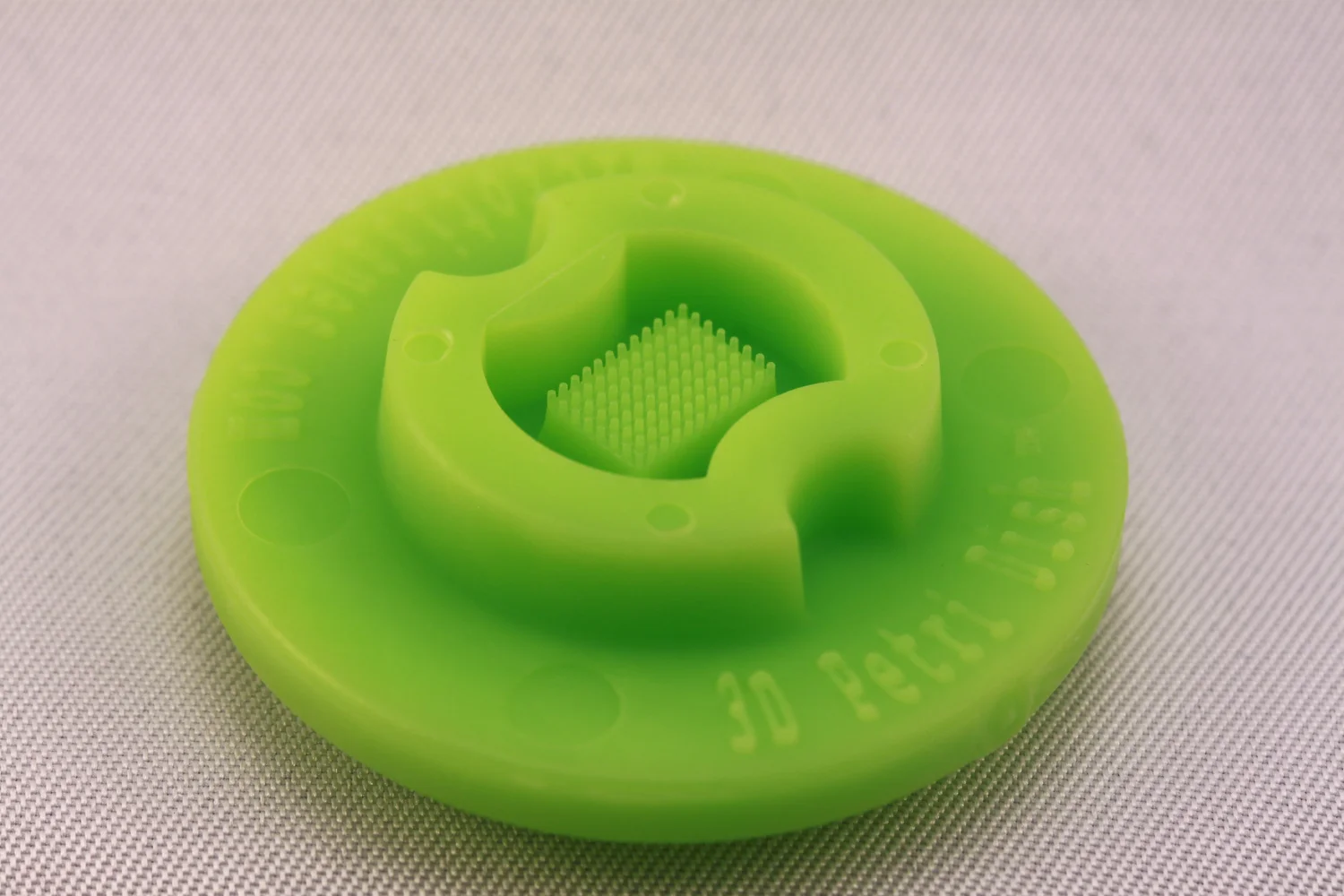
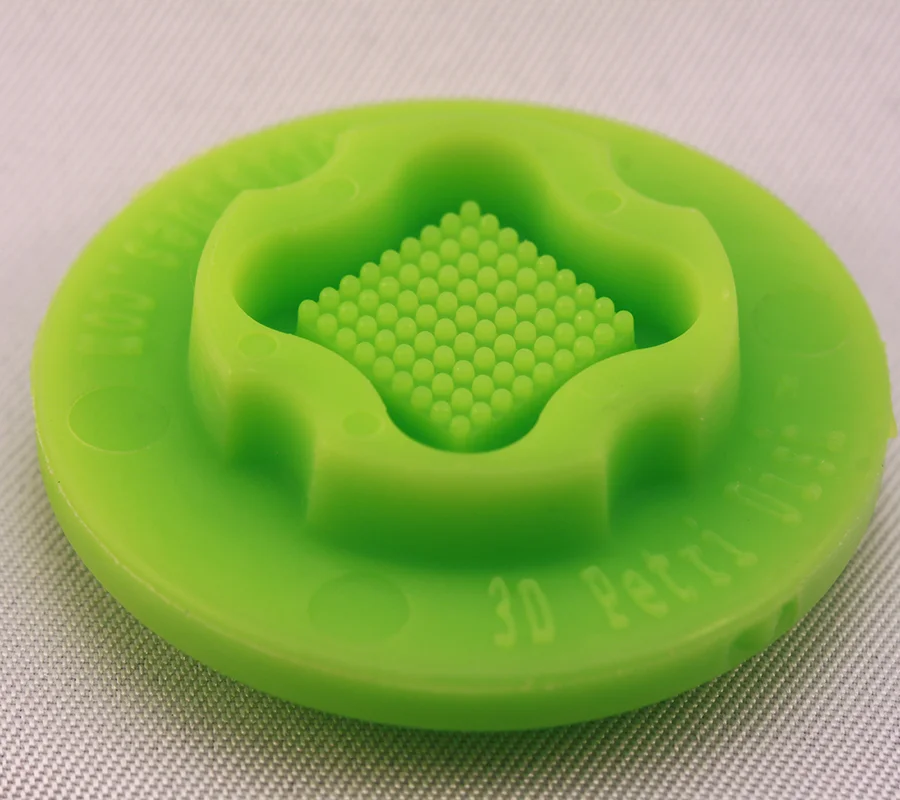
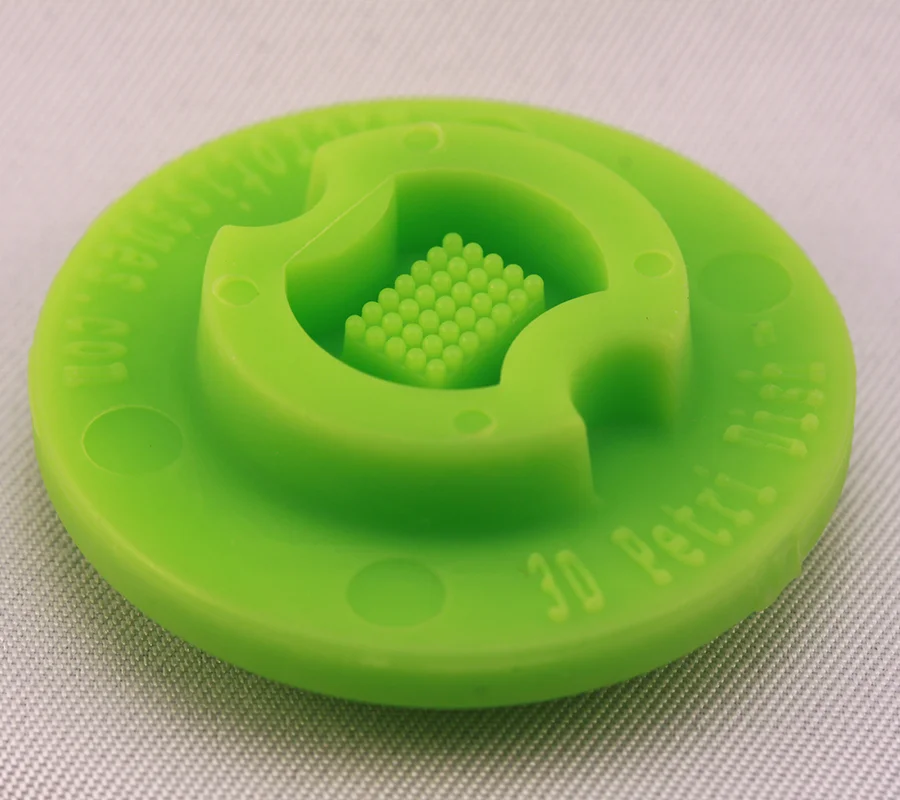
Published in Biomaterials Science (2020), this peer-reviewed study used 3D Petri Dish® micro-molds to form scaffold-free 3D microtissues. Full citation: Tan, Yu, et al. Human fibroblast-macrophage tissue spheroids demonstrate ratio-dependent fibrotic activity for in vitro fibrogenesis model development
Human fibroblast-macrophage tissue spheroids demonstrate ratio-dependent fibrotic activity for in vitro fibrogenesis model development
Research Overview
Fibrosis is dysregulated wound healing, and research aims to limit it without abolishing the fibrogenesis organs need — but 2D fibroblast monolayers make a poor model, holding back mechanistic work.
This study developed and optimized fibrosis spheroids: a scaffold-free 3D human fibroblast-macrophage system as an improved benchtop model. Fibroblast-only spheroids were first created, characterized, and optimized, demonstrating increased collagen deposition, before macrophages were incorporated at defined ratios to capture the immune contribution to fibrotic remodeling.
Key Discoveries
- Scaffold-free human fibroblast-macrophage spheroids model fibrosis on the benchtop
- Fibroblast-only spheroids showed increased collagen deposition versus 2D monolayers
- Fibroblast-to-macrophage ratio used as a controllable variable in the fibrotic response