Summary
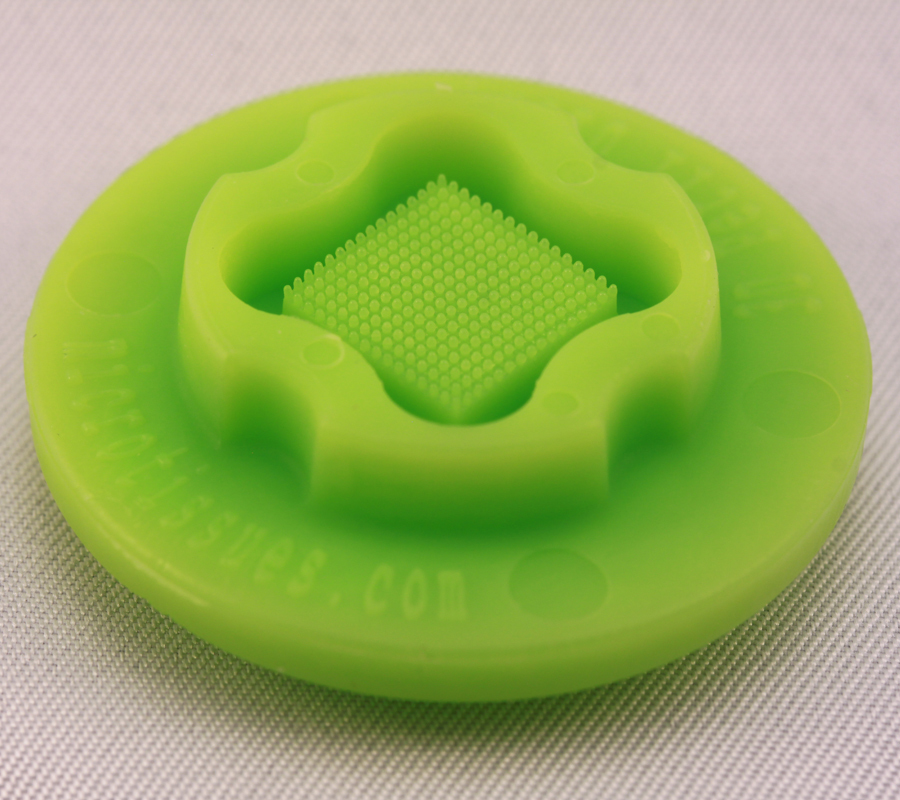
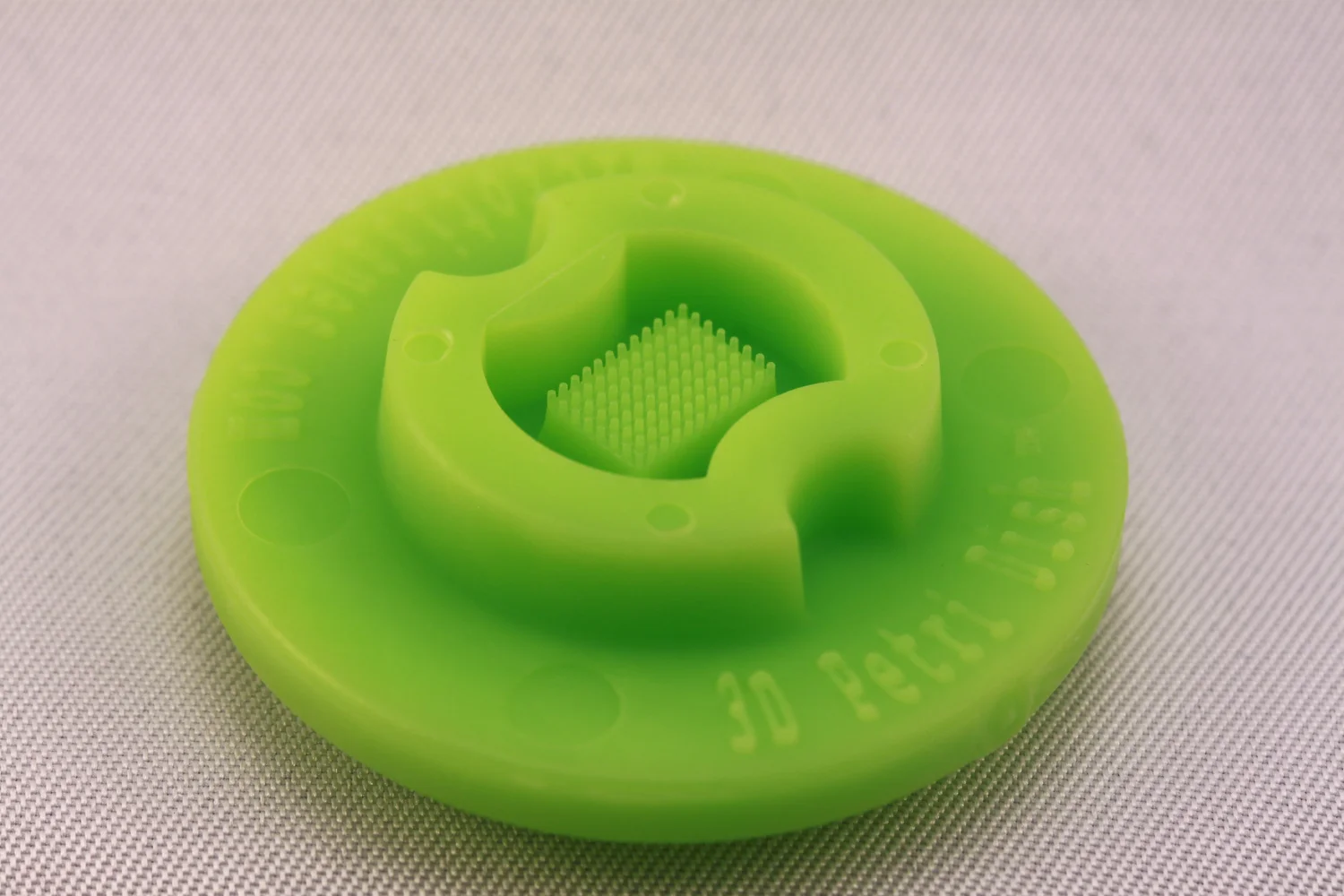
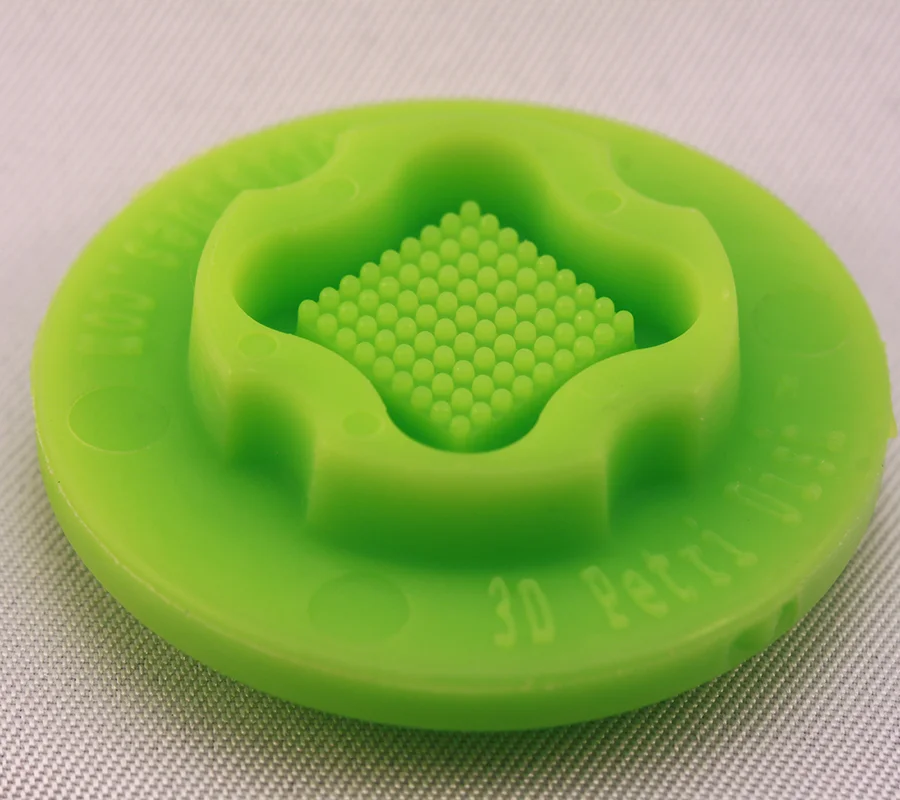
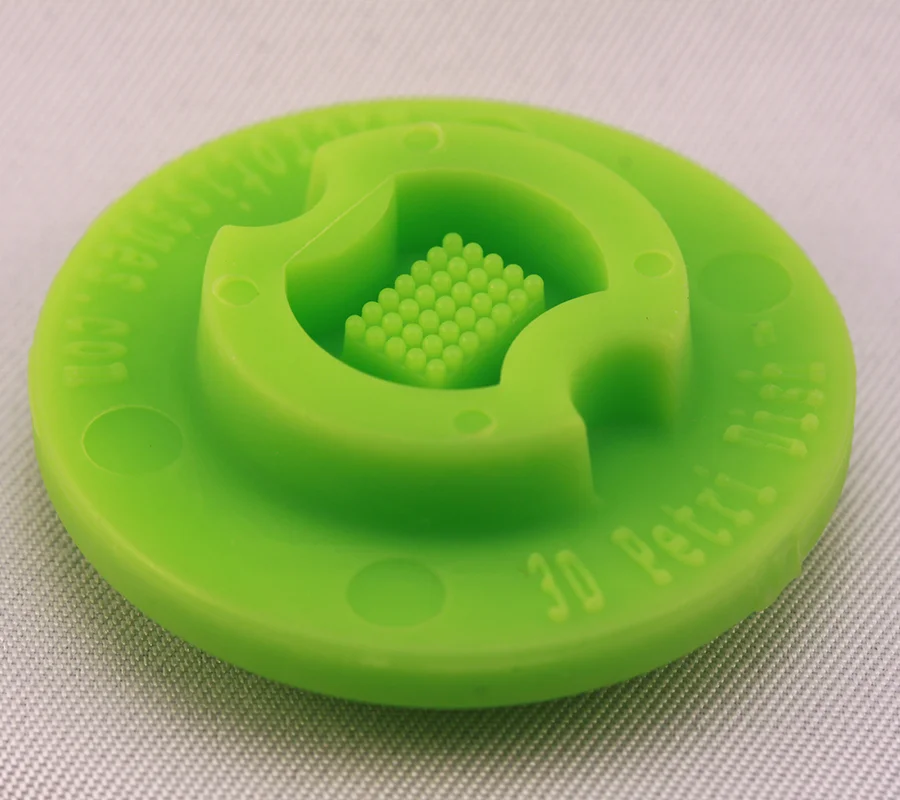
Published in Biomaterials (2016), this peer-reviewed study used 3D Petri Dish® micro-molds to form scaffold-free 3D microtissues. Full citation: Schell, Jacquelyn Y., et al. Harnessing cellular-derived forces in self-assembled microtissues to control the synthesis and alignment of ECM
Harnessing cellular-derived forces in self-assembled microtissues to control the synthesis and alignment of ECM
Research Overview
The alignment and blend of extracellular matrix proteins give tissue its mechanical properties and physiological function. Engineering methods that take purified matrix proteins and align them into gels, sponges, or threads all produce aligned matrix, but suffer loss of hierarchical collagen structure and poor mechanical performance.
This study developed a different method: controlling matrix synthesis using self-assembled cells. Cells were seeded into custom-designed, scaffold-free micro-molds with fixed obstacles that harnessed and directed cell-mediated stresses — letting the cells build and align their own matrix under engineered mechanical constraint.
Key Discoveries
- Micro-mold obstacles harnessed cell-generated forces to direct matrix alignment
- Cells synthesized and aligned their own matrix rather than being seeded into purified protein
- Avoids the loss of hierarchical collagen structure seen in gel, sponge, and thread methods