Summary
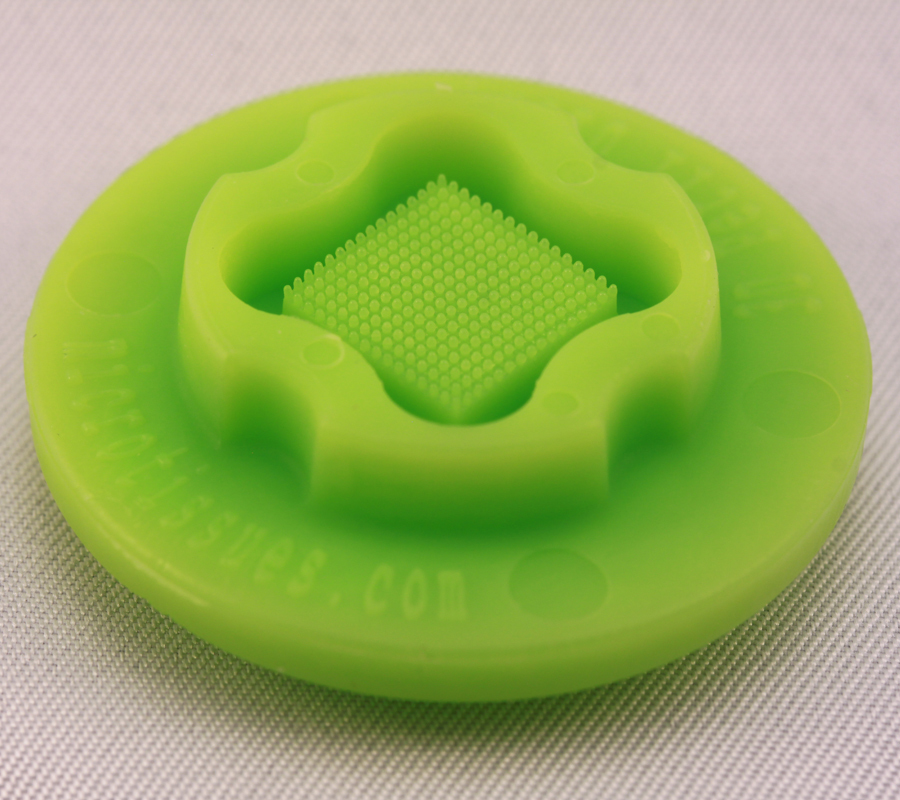
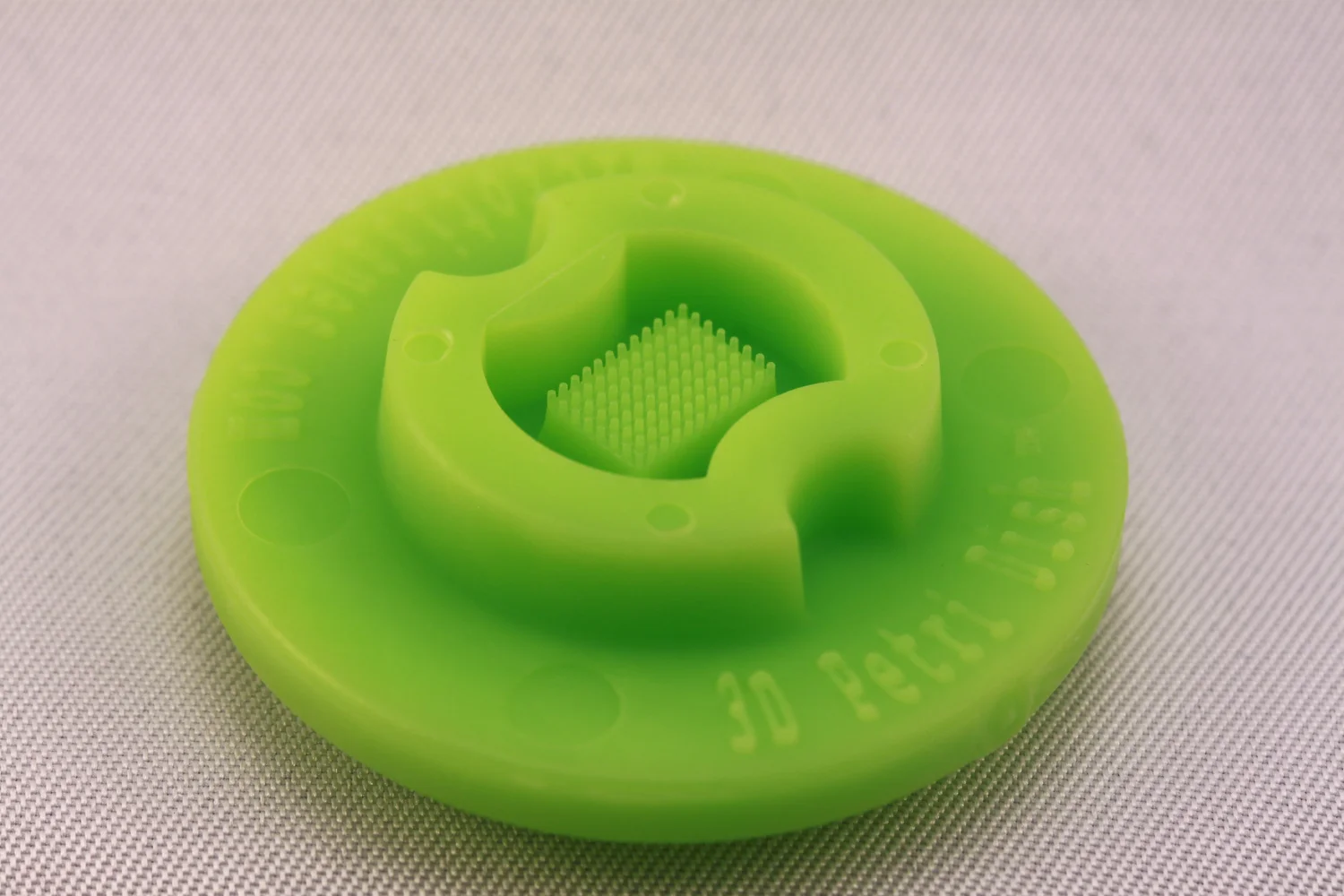
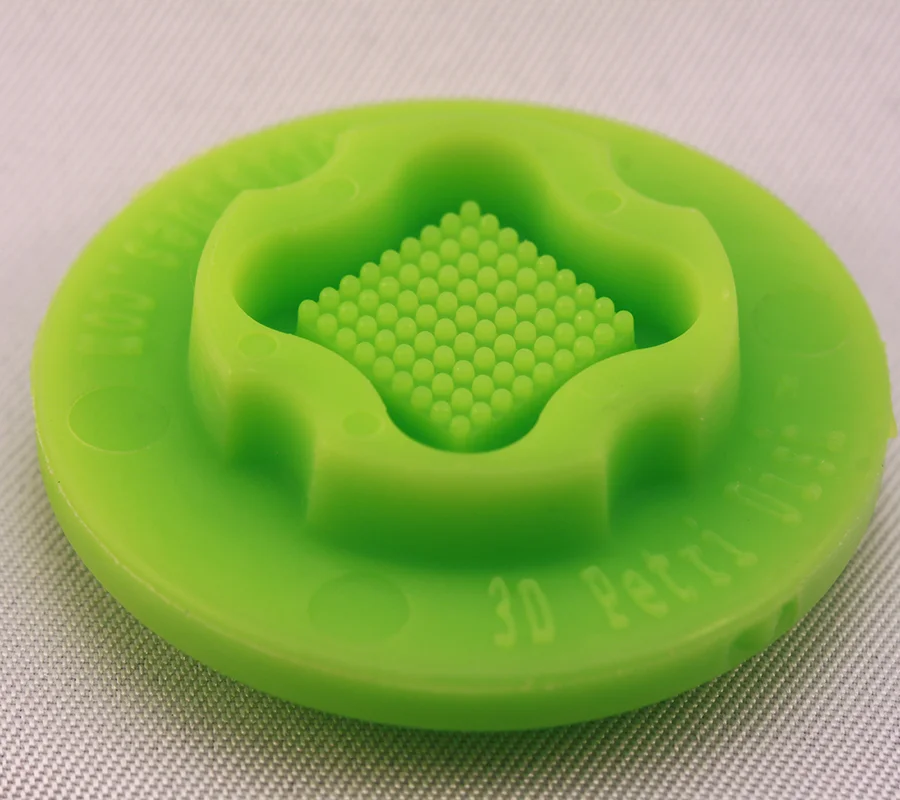
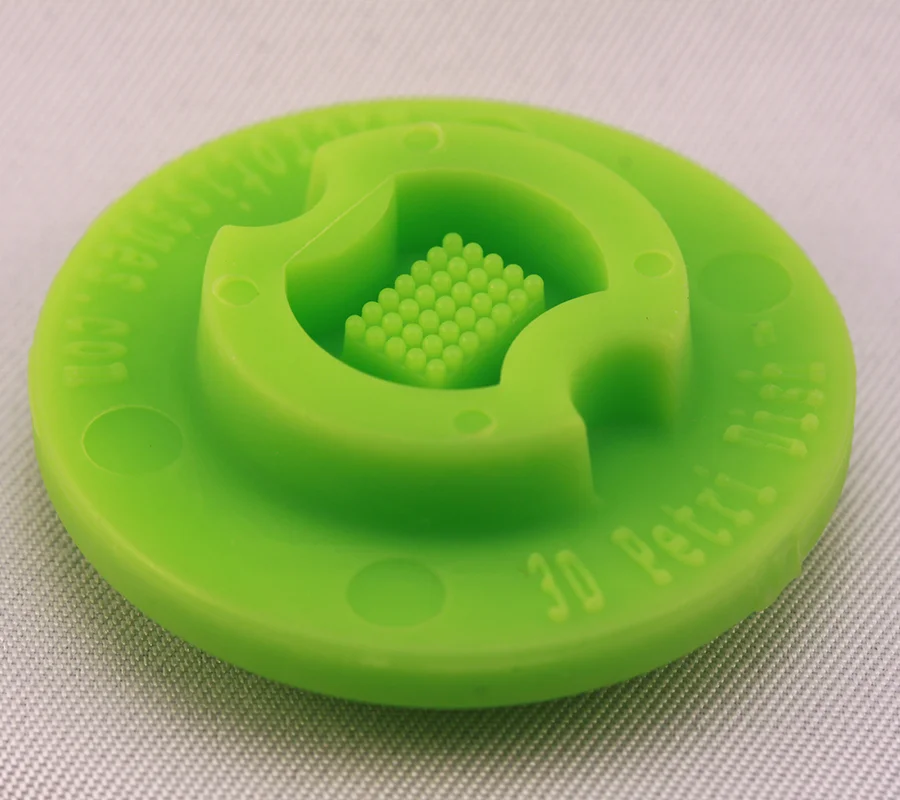
Published in Journal of Nanobiotechnology (2025), this peer-reviewed study used 3D Petri Dish® micro-molds to form scaffold-free 3D microtissues. Full citation: Liu, Junqing, et al. Functional cobalt-doped hydrogel scaffold enhances concurrent vascularization and neurogenesis
Functional cobalt-doped hydrogel scaffold enhances concurrent vascularization and neurogenesis
Research Overview
Functional tissue regeneration requires blood vessels and nerves to grow together in the defect area — something current strategies handle poorly. This study developed a 3D gelatin methacryloyl hydrogel loaded with multi-walled carbon nanotubes and cobalt, engineered for controlled cobalt ion release to mimic hypoxia and drive both vasculogenesis and neurogenesis.
The hydrogel released cobalt ions steadily, supported viability and long-term survival of embedded cells, and enhanced vasculogenesis by human umbilical vein endothelial cells when co-cultured with stem cells from the apical papilla — addressing vascular and neural regeneration in one material.
Key Discoveries
- GelMA-carbon nanotube/cobalt hydrogel provided sustained hypoxia-mimicking cobalt ion release
- Supported laden cell viability and long-term survival
- Enhanced endothelial vasculogenesis in co-culture with apical papilla stem cells