Summary
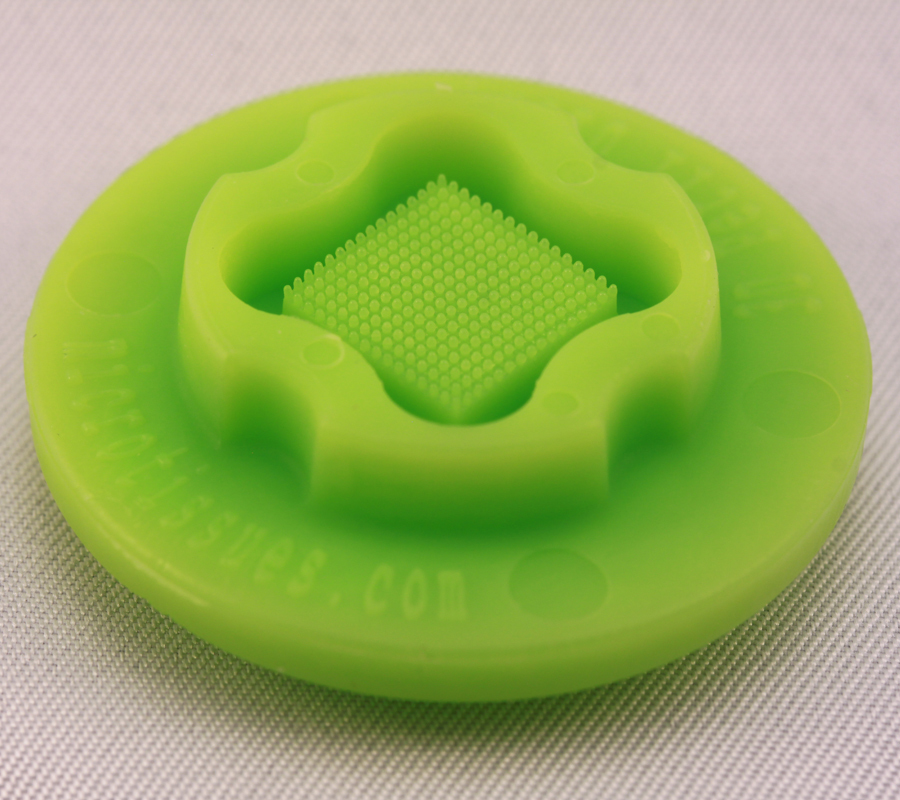
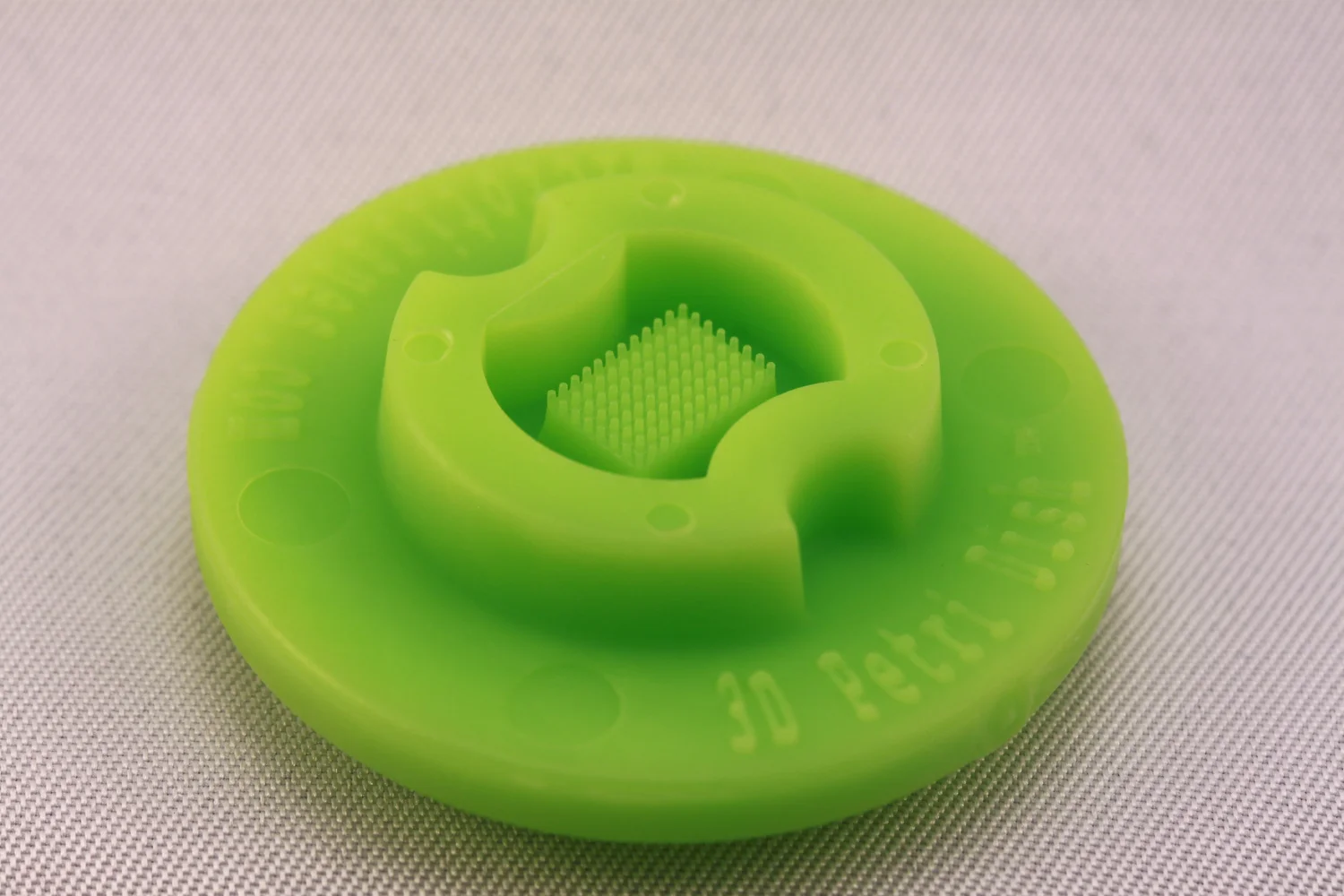
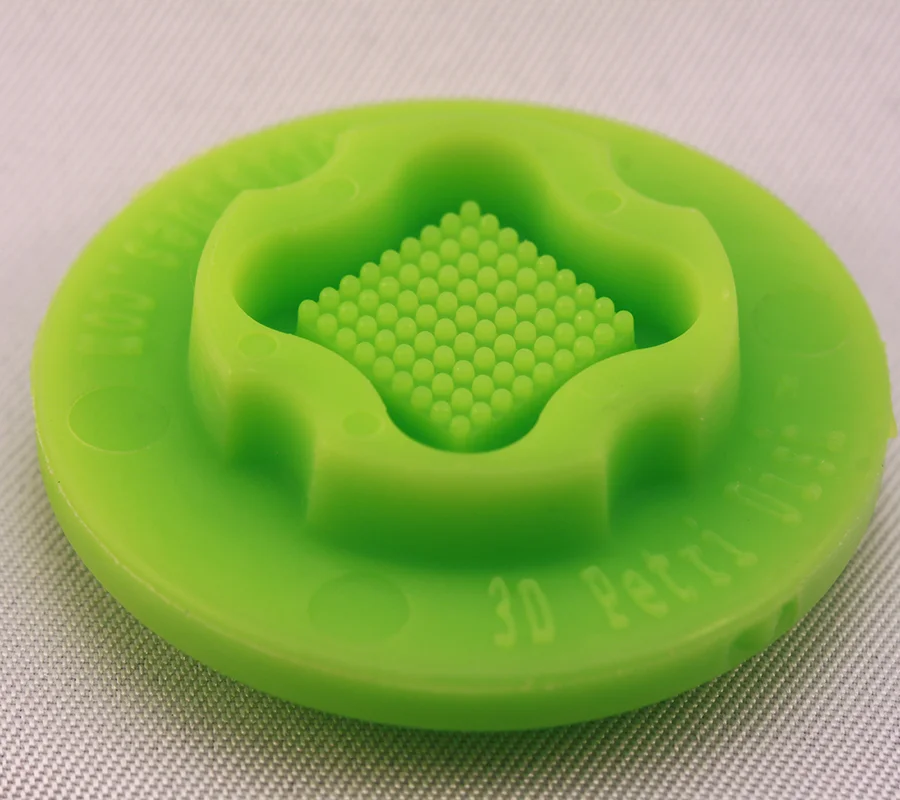
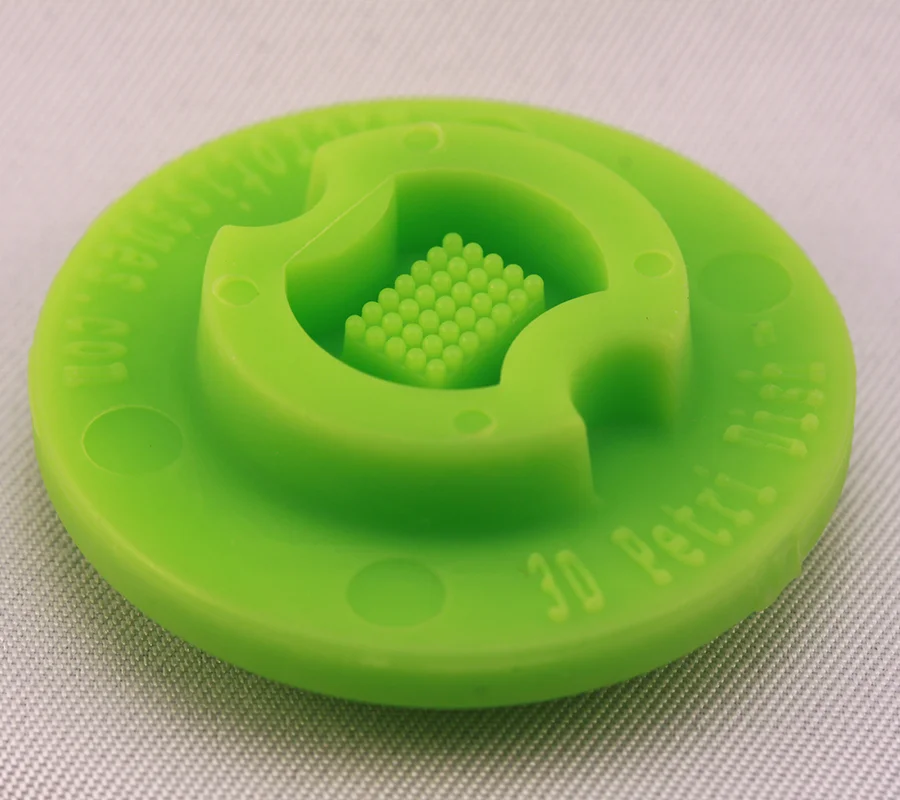
Published in Biomaterials Science (2021), this peer-reviewed study used 3D Petri Dish® micro-molds to form scaffold-free 3D microtissues. Full citation: Peneda Pacheco, Daniela, et al. From tissue engineering to engineering tissues: the role and application of in vitro models
From tissue engineering to engineering tissues: the role and application of in vitro models
Research Overview
Engineered in vitro models let researchers forecast whether a therapy will translate from bench to bedside quickly and cheaply, borrowing their design principles from tissue engineering. This review confronts the common criticism that such models oversimplify nature.
The authors argue that model building is hypothesis-driven by design: parameters are deliberately chosen, and the model is judged by how well it matches the specific native phenomenon under study, with its limitations made explicit. The piece also traces how regulatory bodies have supported and disseminated in vitro model development.
Key Discoveries
- Frames engineered in vitro models as hypothesis-driven simplifications, not failed replicas
- Applies tissue-engineering construct principles to in vitro model design
- Reviews regulatory support for adopting engineered models in translational research