Summary
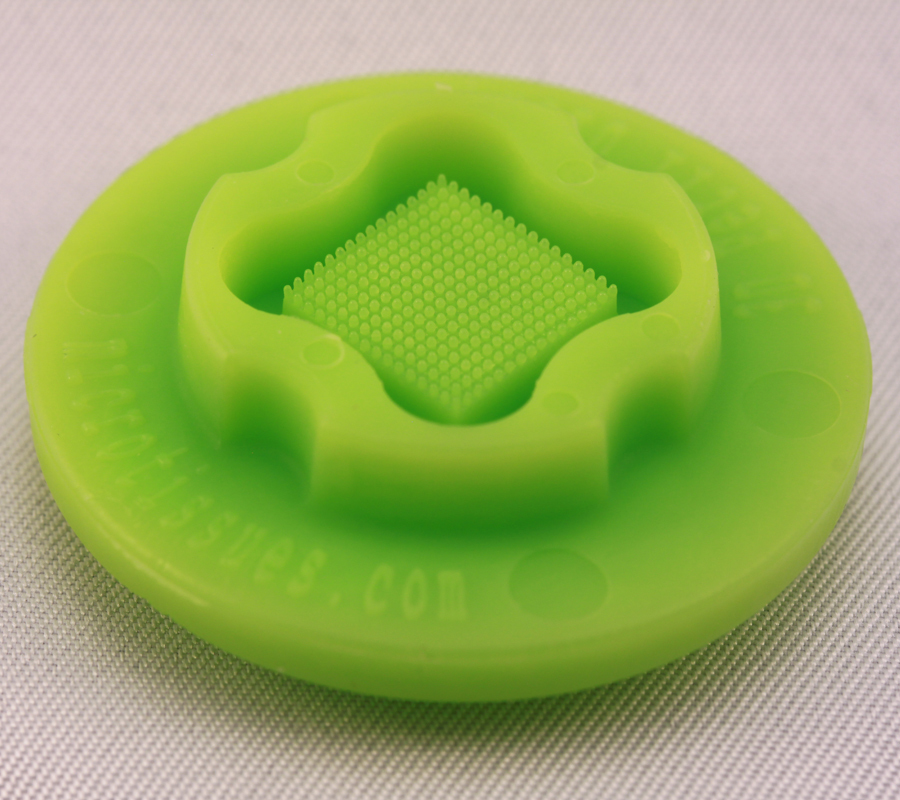
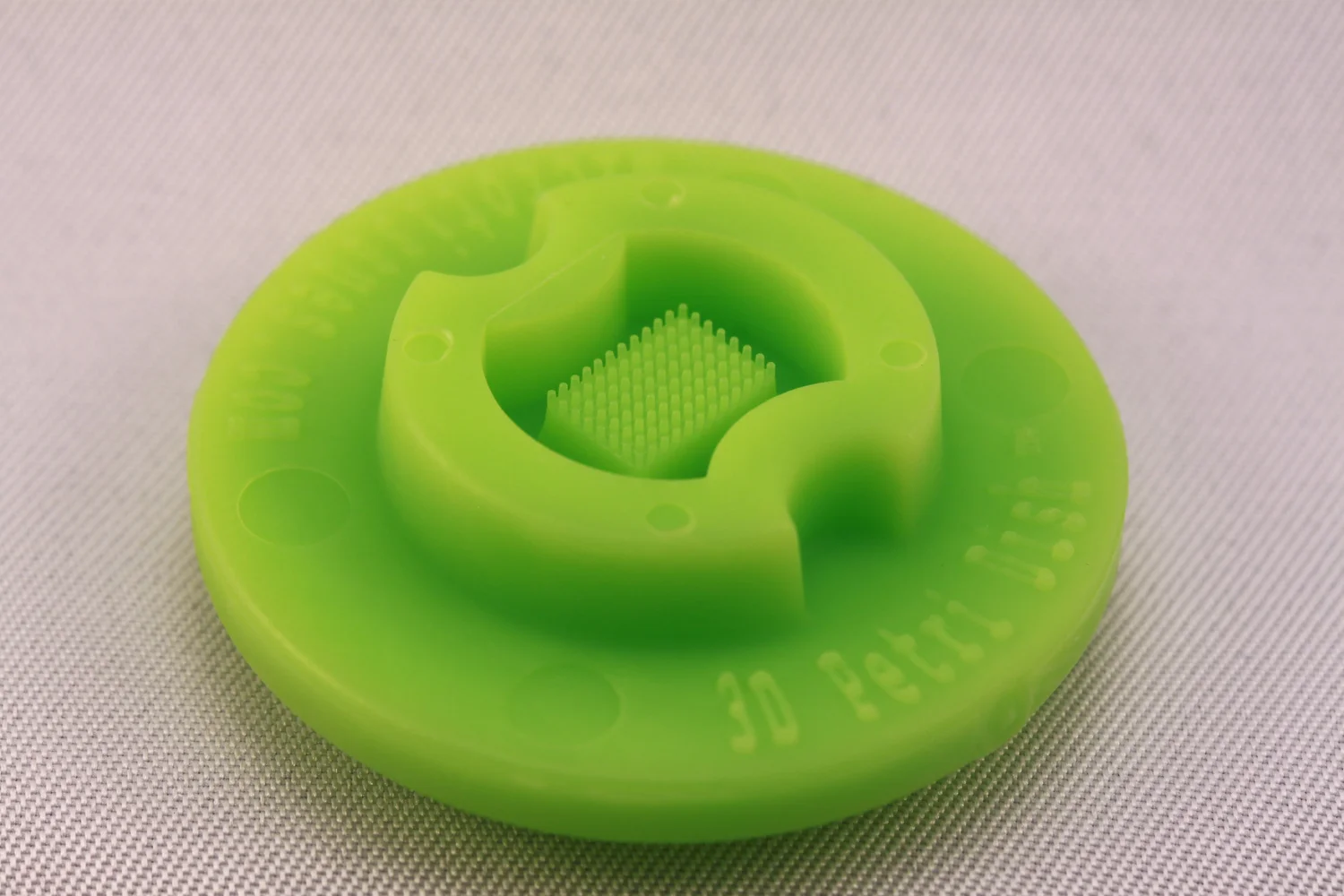
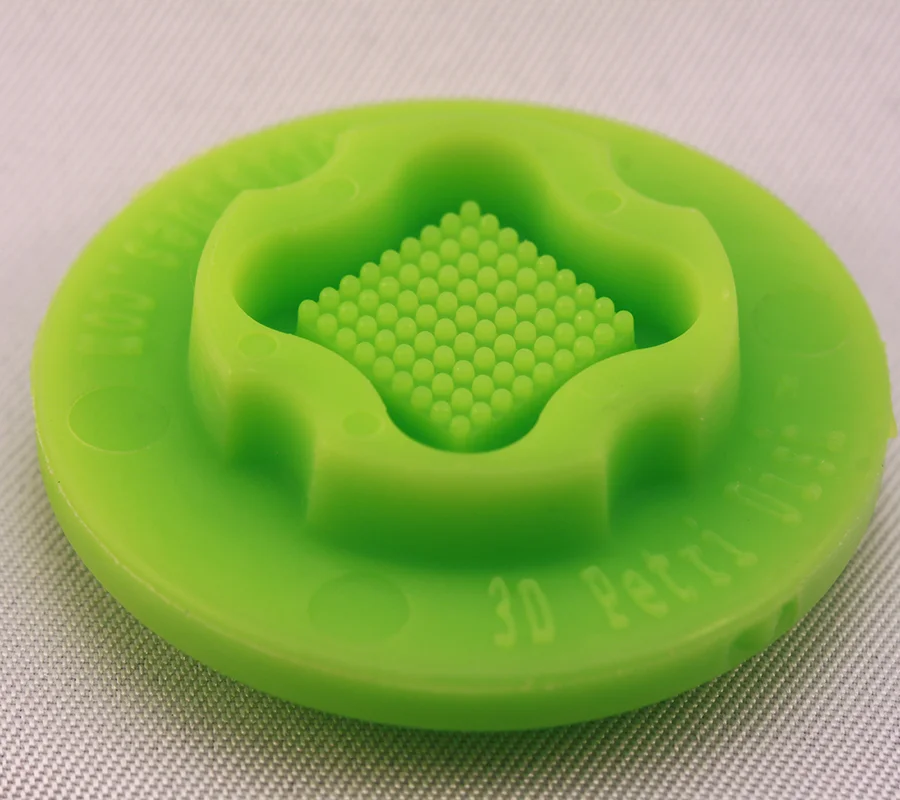
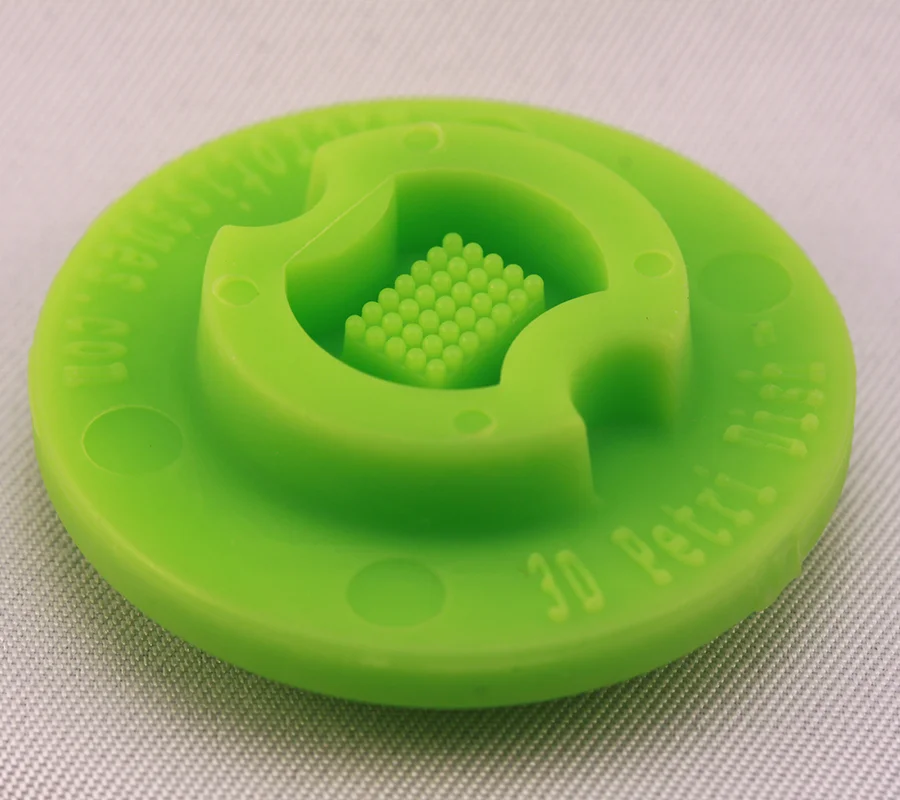
Published in Environmental Research (2022), this peer-reviewed study used 3D Petri Dish® micro-molds to form scaffold-free 3D microtissues. Full citation: Yan, Lu, et al. Evaluation of dioxin induced transcriptomic responses in a 3D human liver microtissue model
Evaluation of dioxin induced transcriptomic responses in a 3D human liver microtissue model
Research Overview
3D human liver microtissues are promising for predicting hepatotoxicity of environmental chemicals, but how their transcriptional responses evolve over time during dioxin exposure was unclear.
This study used time-series transcriptomic analysis to characterize gene expression across 14 days in 3D human liver microtissues exposed to TCDD at 31 nM. Changes in gene expression and modulation of biological pathways were evaluated at several time points, and the microtissues stably expressed genes related to toxicological pathways throughout — establishing that the model holds its metabolic character long enough for chronic exposure studies.
Key Discoveries
- 14-day time-series transcriptomics captured dioxin response dynamics in liver microtissues
- Microtissues stably expressed toxicological pathway genes across the full exposure period
- Supports chronic rather than acute-only chemical hepatotoxicity assessment