Summary
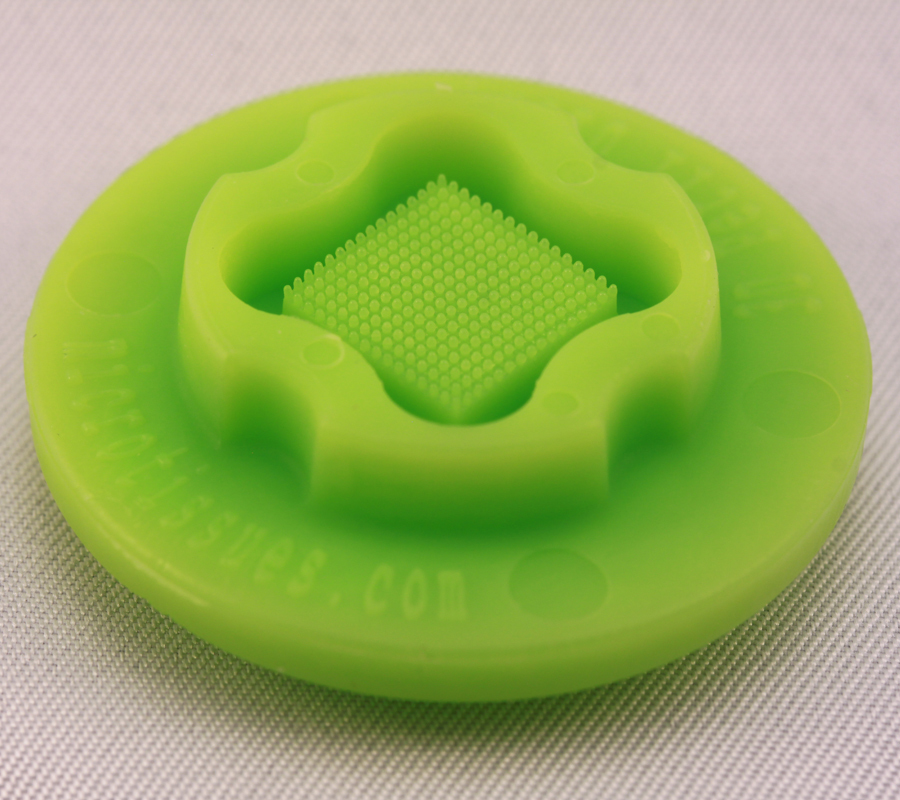
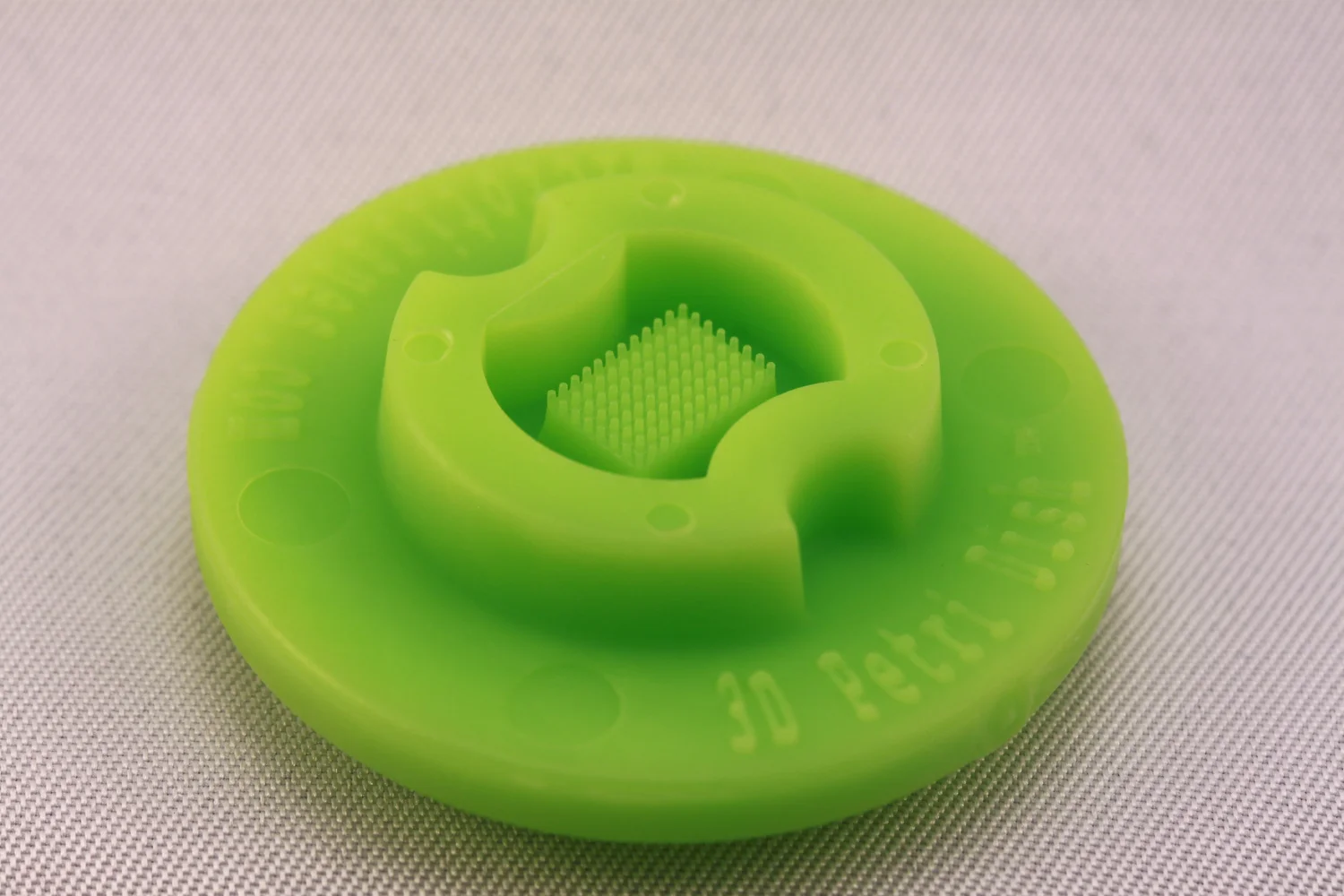
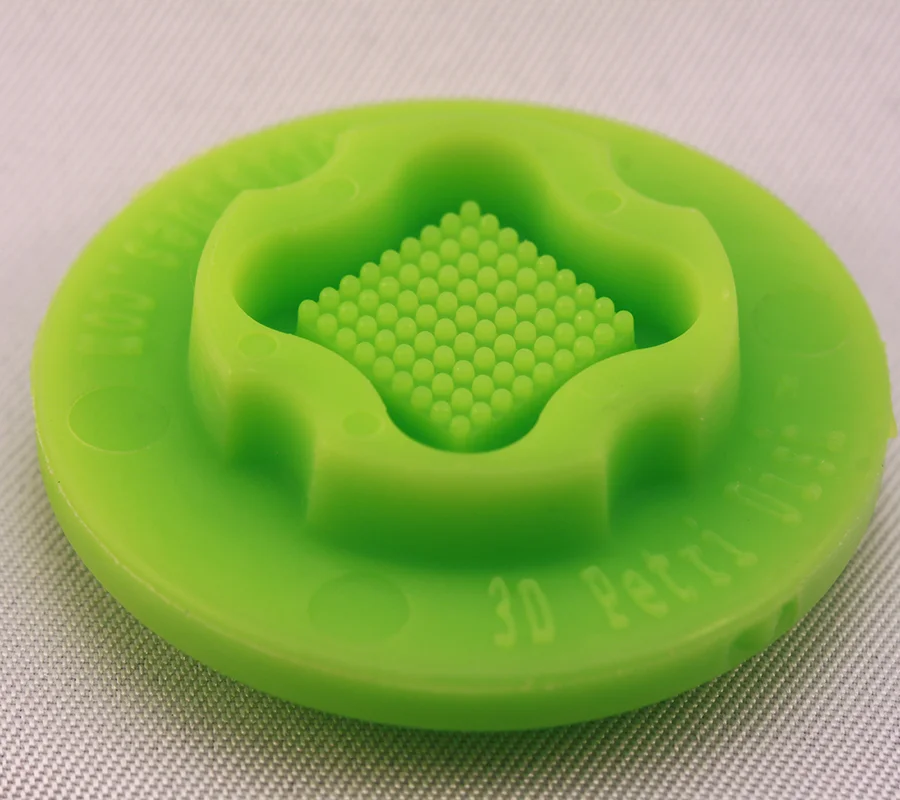
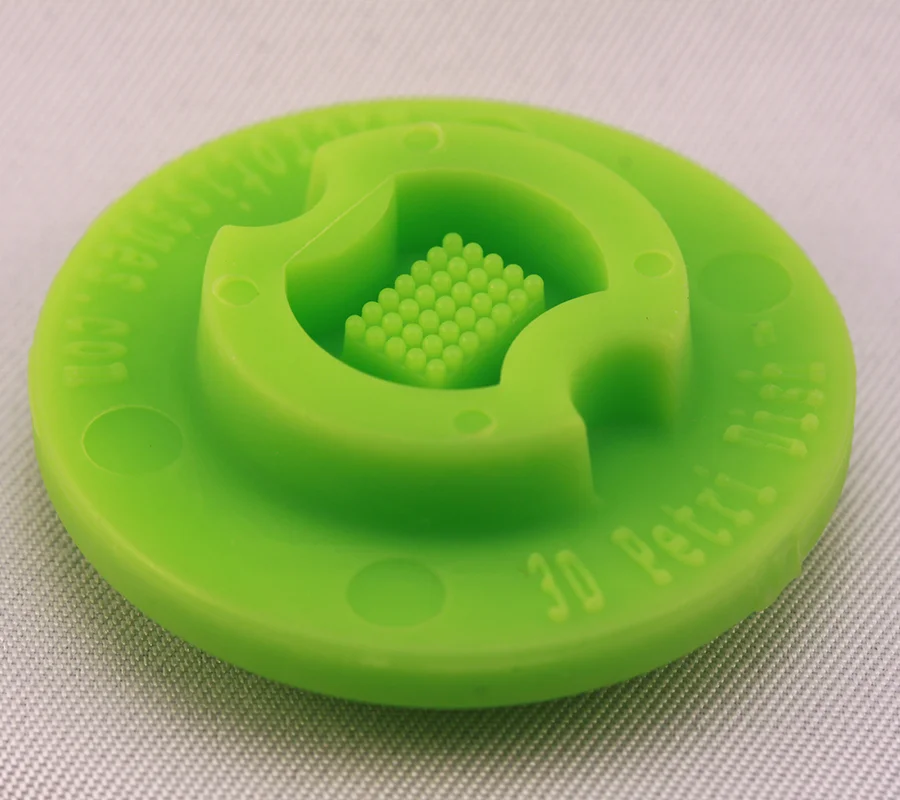
Published in Gels (2023), this peer-reviewed study used 3D Petri Dish® micro-molds to form scaffold-free 3D microtissues. Full citation: Muthuramalingam, Karthika, et al. Effect of GelMA Hydrogel Properties on Long-Term Encapsulation and Myogenic Differentiation of C2C12 Spheroids
Effect of GelMA Hydrogel Properties on Long-Term Encapsulation and Myogenic Differentiation of C2C12 Spheroids
Research Overview
This study examined gelatin methacrylate (GelMA) hydrogels as an encapsulation medium for cellular spheroids in muscle tissue engineering. GelMA was prepared from 5% to 15% and characterized mechanically, with storage modulus rising sharply with concentration: 6.01 ± 1.02 Pa at 5%, 75.78 ± 6.67 Pa at 10%, and 134.69 ± 7.93 Pa at 15%.
Mechanical stiffness and swelling capacity emerged as the key determinants of how far cells sprouted and migrated out of encapsulated C2C12 myoblast spheroids — practical guidance for tuning hydrogel formulation to the desired cell outgrowth in skeletal muscle regeneration.
Key Discoveries
- GelMA storage modulus quantified across 5-15% concentrations (6 Pa to 135 Pa)
- Stiffness and swelling capacity determined cell sprouting and migration from spheroids
- Provides formulation guidance for encapsulating myoblast spheroids in muscle engineering