Summary
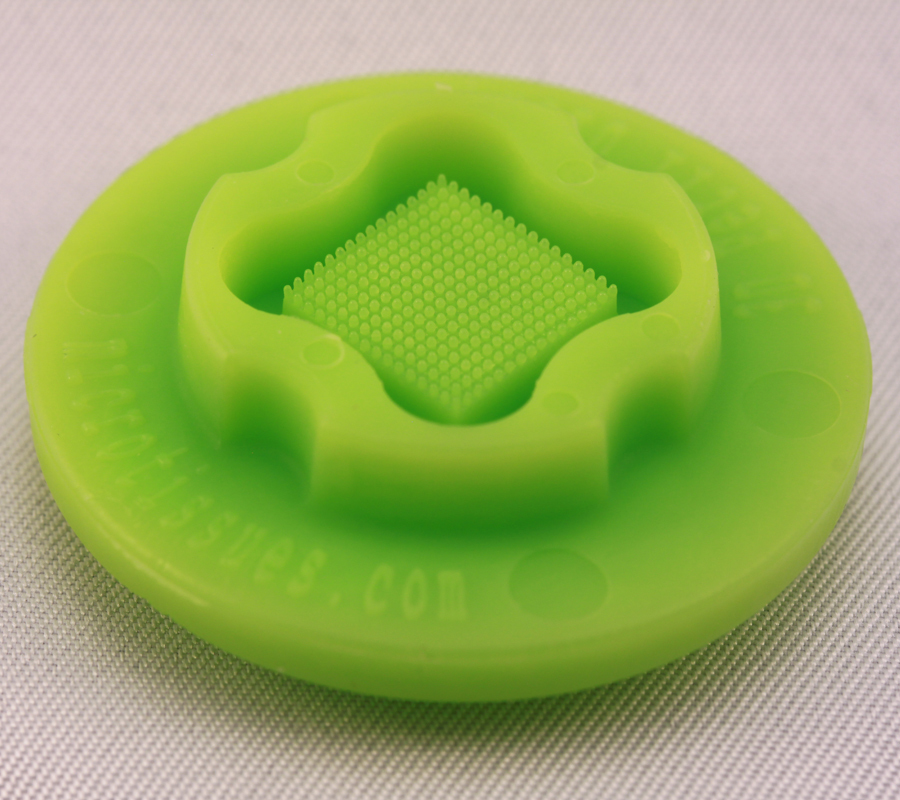
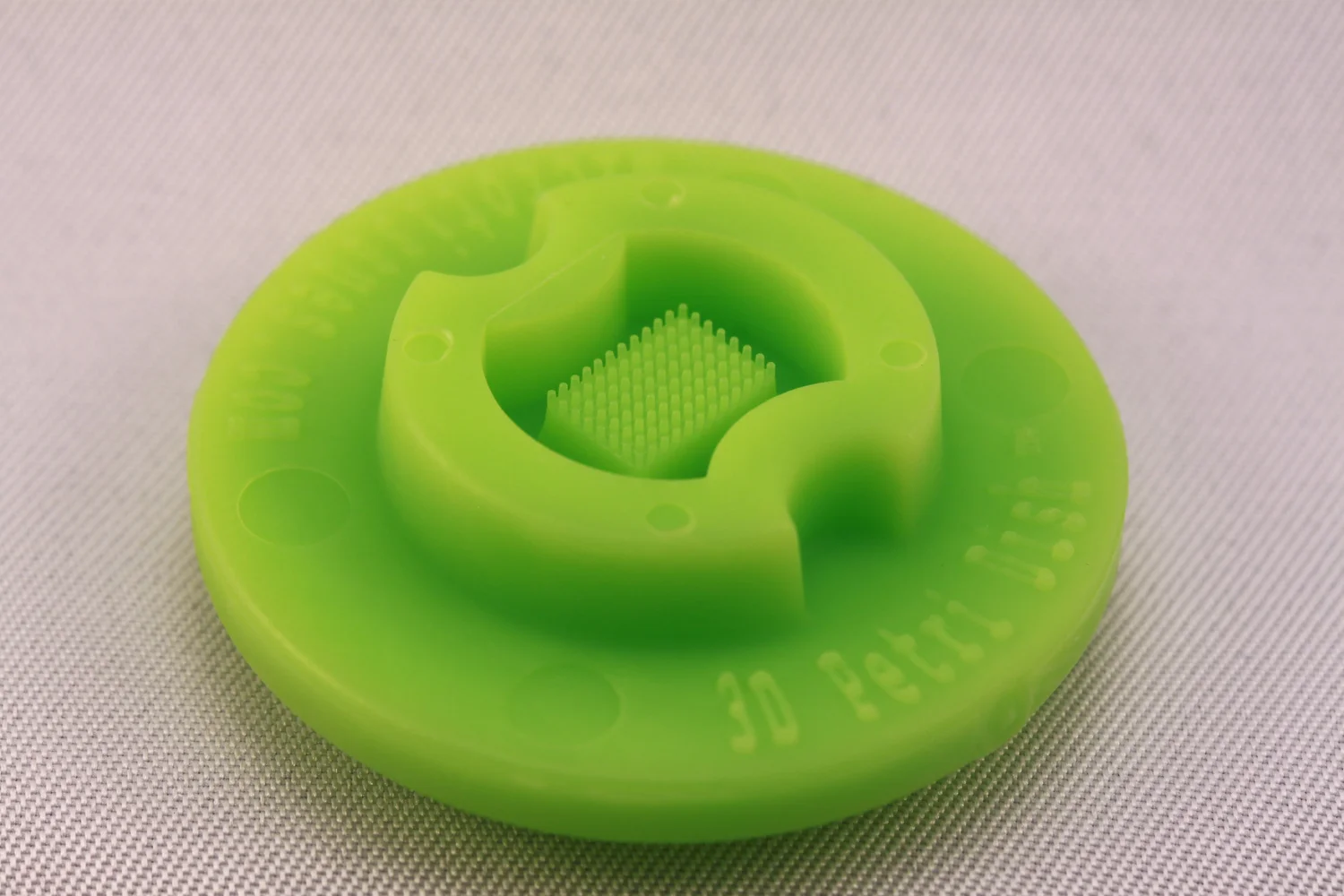
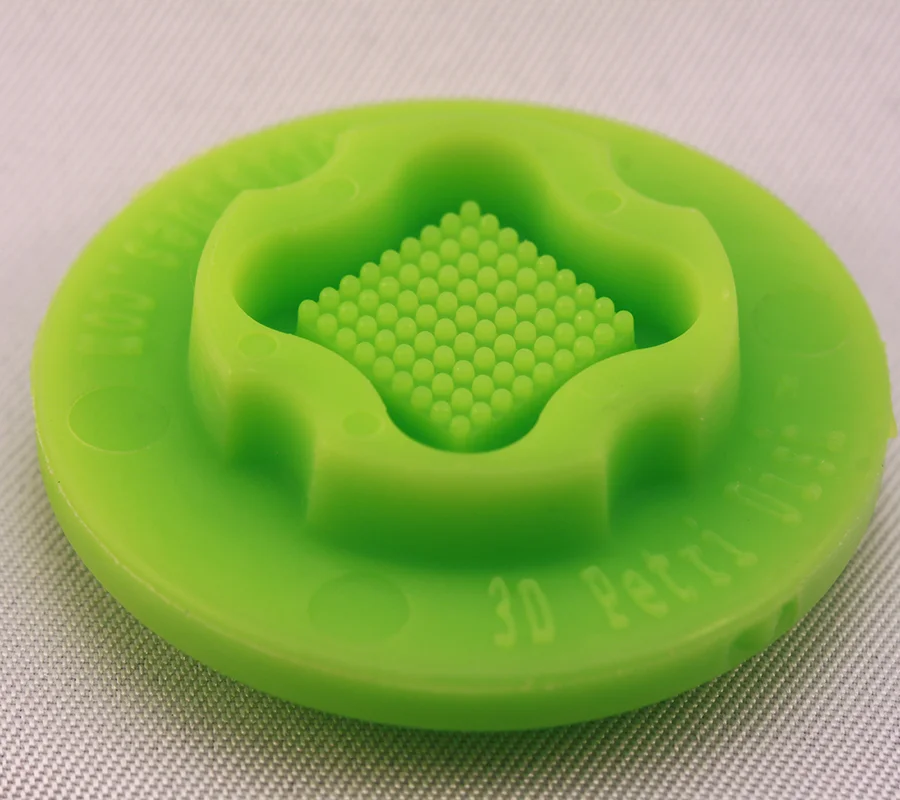
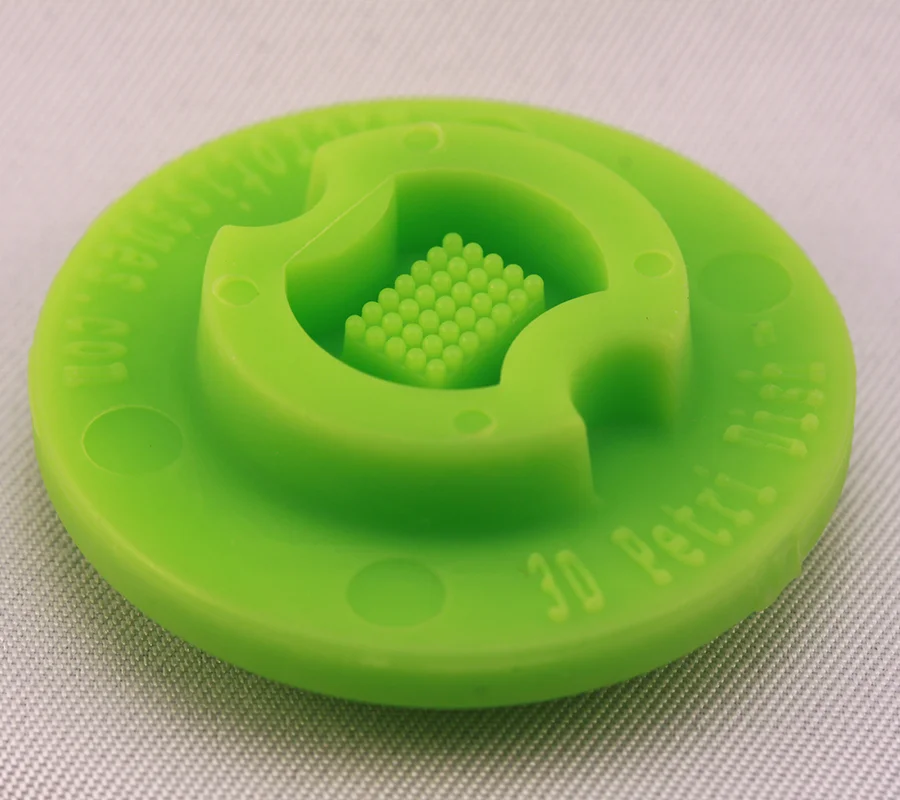
Published in Biofabrication (2021), this peer-reviewed study used 3D Petri Dish® micro-molds to form scaffold-free 3D microtissues. Full citation: Carvalho, Daniel T O, et al. Directed self-assembly of spheroids into modular vascular beds for engineering large tissue constructs
Directed self-assembly of spheroids into modular vascular beds for engineering large tissue constructs
Research Overview
Building artificial vascular beds from spheroids is promising but usually slow and complex, and single-spheroid properties are often left unoptimized. This study first optimized the building block: spheroids combining mesenchymal stem/stromal cells with outgrowth endothelial cells at ratios of 10:1, 5:1, 1:1, and 1:5 were formed in nonadhesive microwells and monitored over seven days.
A 1:1 ratio gave the best endothelial retention and organization. Spheroids remodeled dynamically over time — some endothelial cells formed internal clusters while others organized into a peripheral monolayer — and the optimized spheroids were then assembled with a simple setup into patch-like vascular beds.
Key Discoveries
- 1:1 mesenchymal-to-endothelial ratio gave optimal endothelial retention and organization
- Spheroids remodeled dynamically, forming internal clusters and peripheral endothelial monolayers
- Simple rapid setup assembled optimized spheroids into patch-like vascular beds