Summary
Published in Tissue Engineering Part C: Methods (2015), this peer-reviewed study used 3D Petri Dish® micro-molds to form scaffold-free 3D microtissues. Full citation: Blakely, Andrew M., et al. Bio-Pick, Place, and Perfuse: A New Instrument for Three-Dimensional Tissue Engineering
Bio-Pick, Place, and Perfuse: A New Instrument for Three-Dimensional Tissue Engineering
Research Overview
Borrowing from the pick-and-place machines of electronics assembly, this study built the Bio-P3: an instrument that grips large multicellular building parts, transports them under x-y-z control, and places them precisely in a build area while continuously perfusing them. The parts themselves — spheroids, toroids, and honeycombs — were self-assembled scaffold-free by seeding cells into nonadhesive micro-molds.
Parts survived gripping, transport, and release with little to no effect on viability or structure, then fused into larger contiguous tissue — a route toward fabricating large, high-cell-density constructs from molded microtissue building blocks.
Key Discoveries
- Bio-P3 instrument picks, places, and perfuses large multicellular building parts
- Spheroid, toroid, and honeycomb parts self-assembled in nonadhesive micro-molds
- Placed parts fused into larger contiguous tissue constructs with viability preserved
Recommended Products
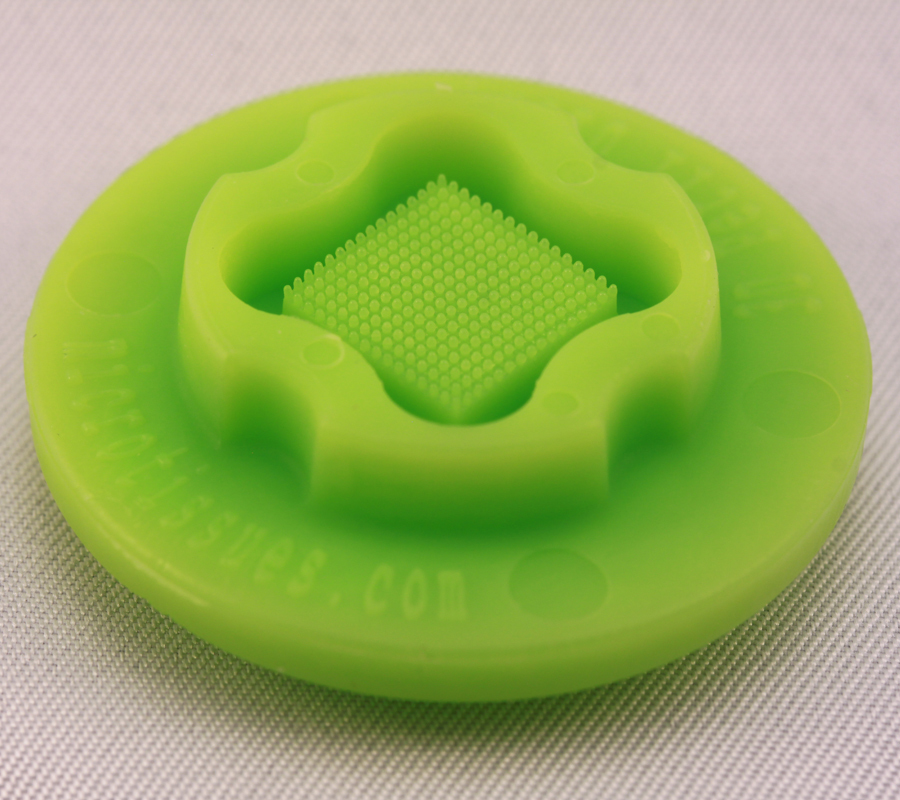
12-256 Small Spheroids
12-well plates · $575
View 12-256 →
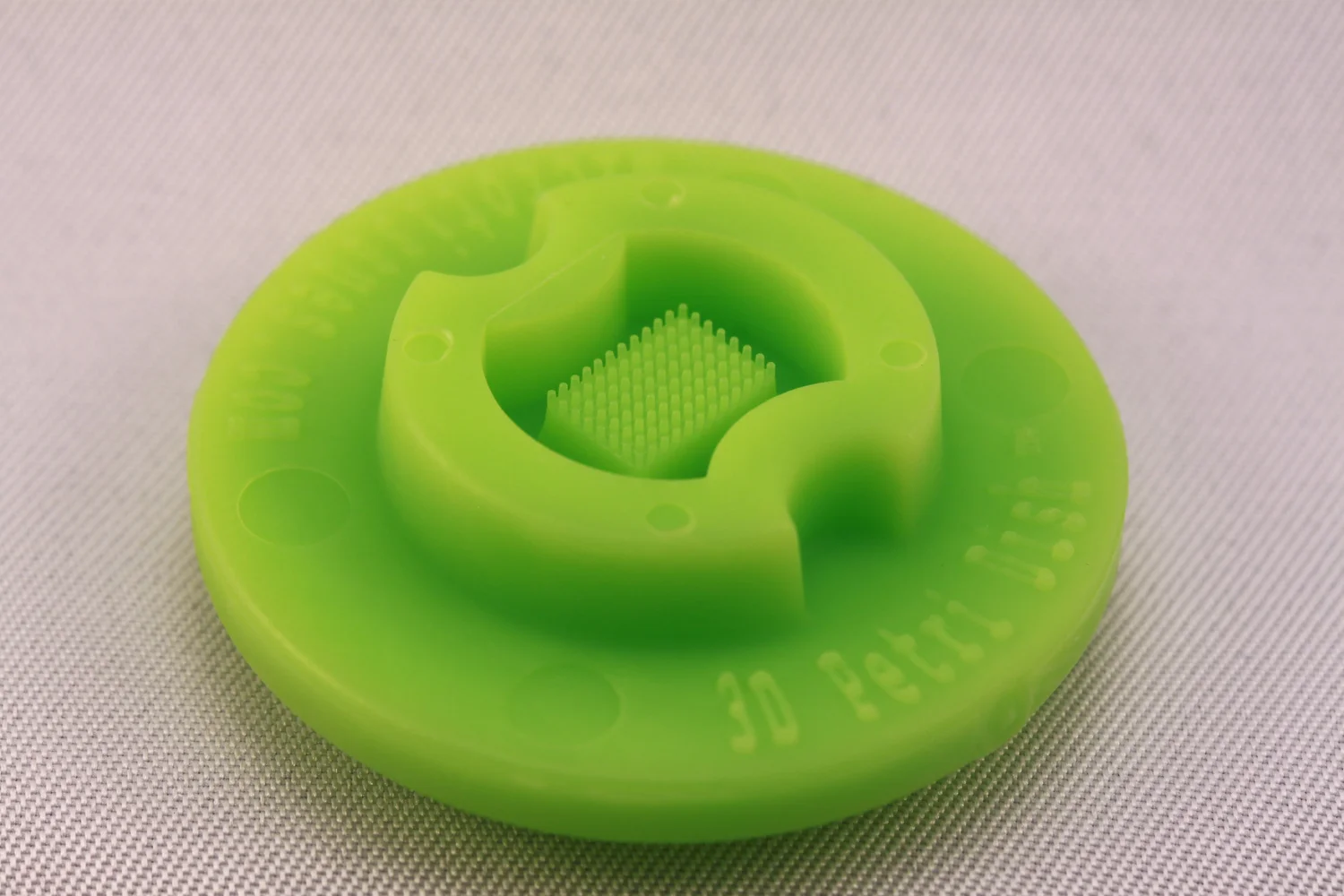
24-96 Small Spheroids
24-well plates · $575
View 24-96 →
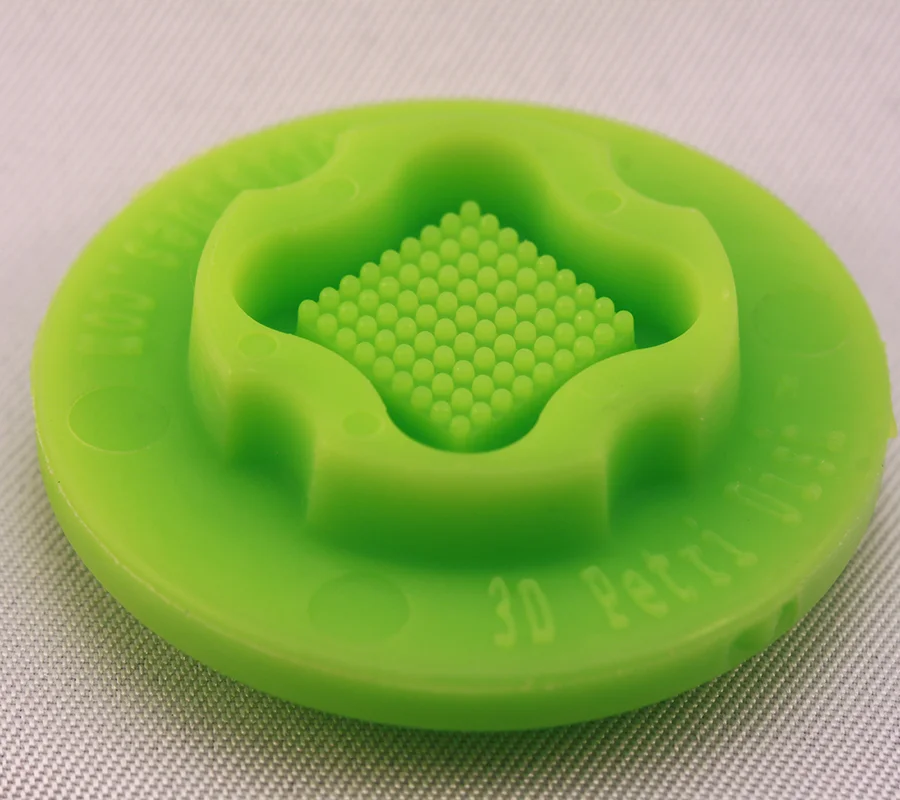
12-81 Large Spheroids
12-well plates · $575
View 12-81 →
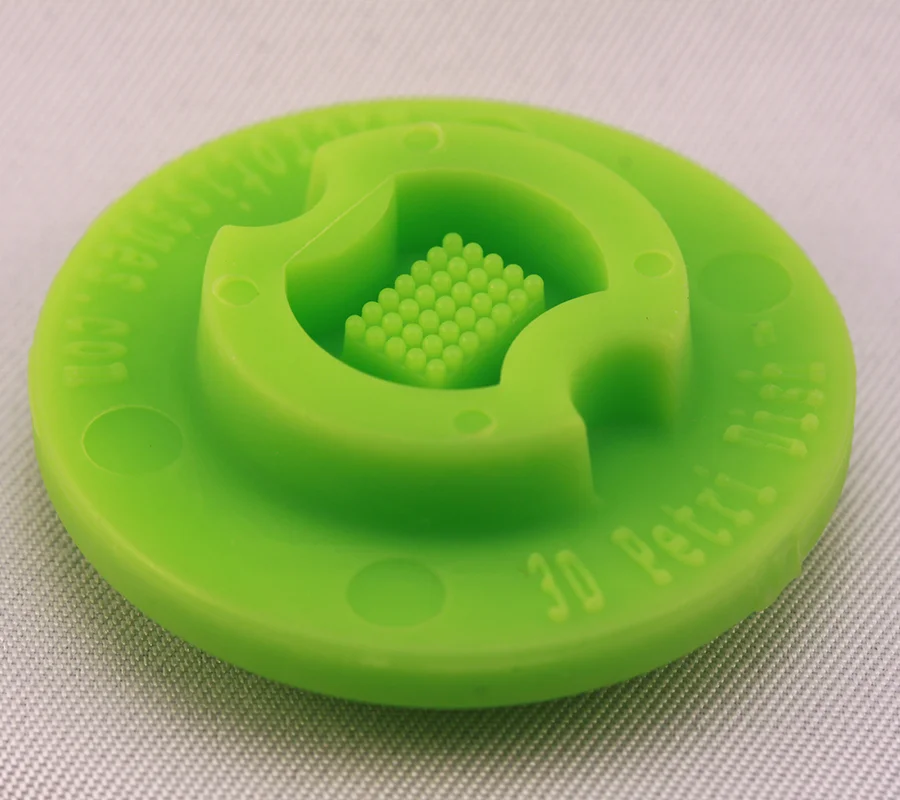
24-35 Large Spheroids
24-well plates · $575
View 24-35 →
Frequently Asked Questions
How do 3D Petri Dish® micro-molds work?Why are 3D microtissues better than traditional 2D cell cultures?
3D microtissues formed using 3D Petri Dish® micro-molds better recapitulate the complex cell-cell interactions, extracellular matrix organization, and signaling gradients found in living tissues. This leads to more physiologically relevant results compared to growing cells on flat plastic surfaces, where cells often behave differently than they do in the body.